
Last updated November 22, 2026
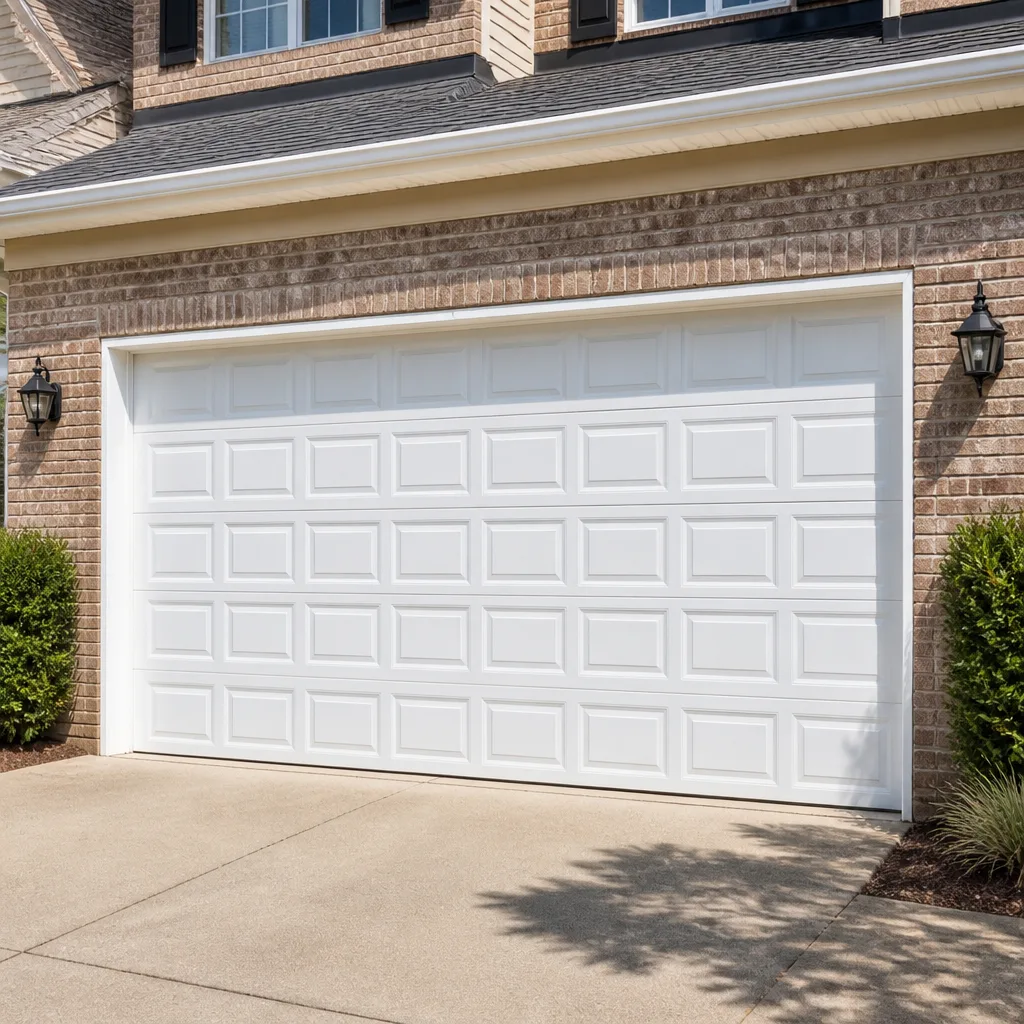 Raised-panel steel
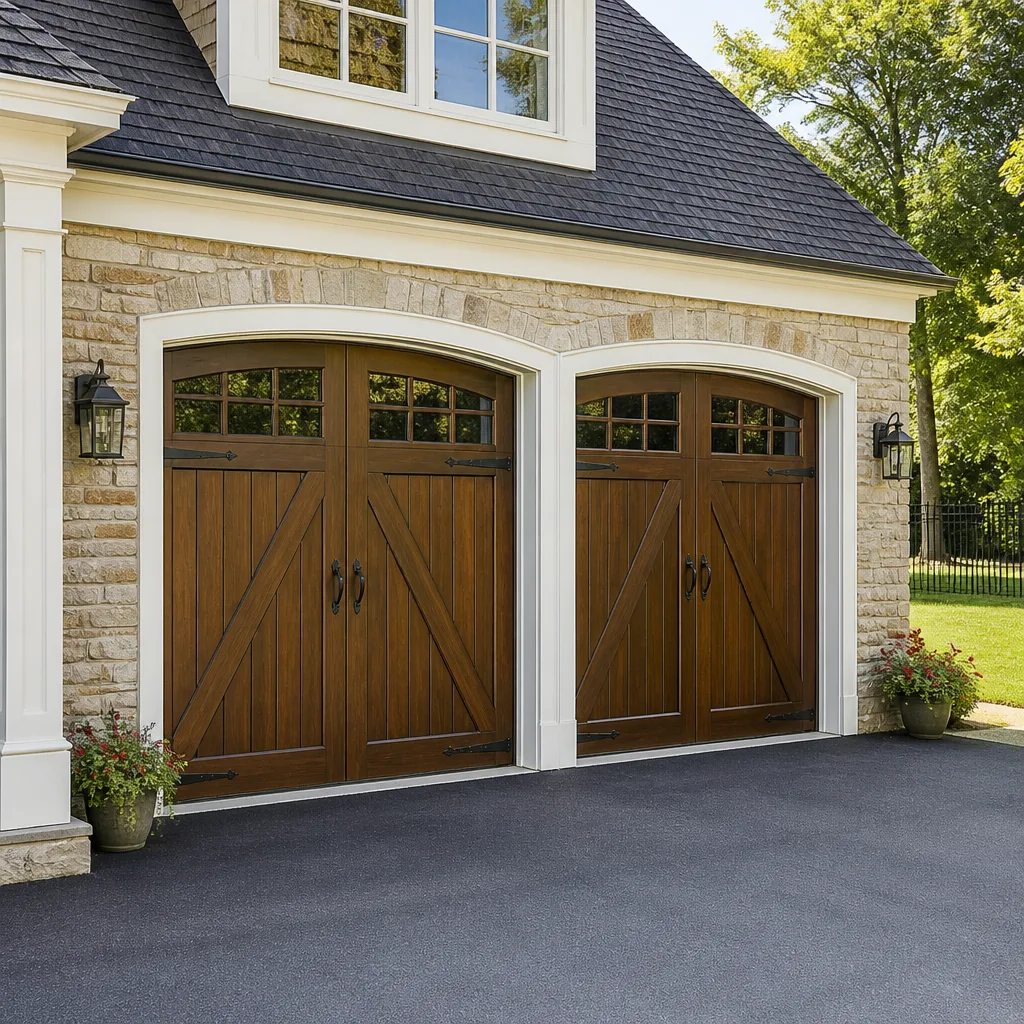 Carriage house
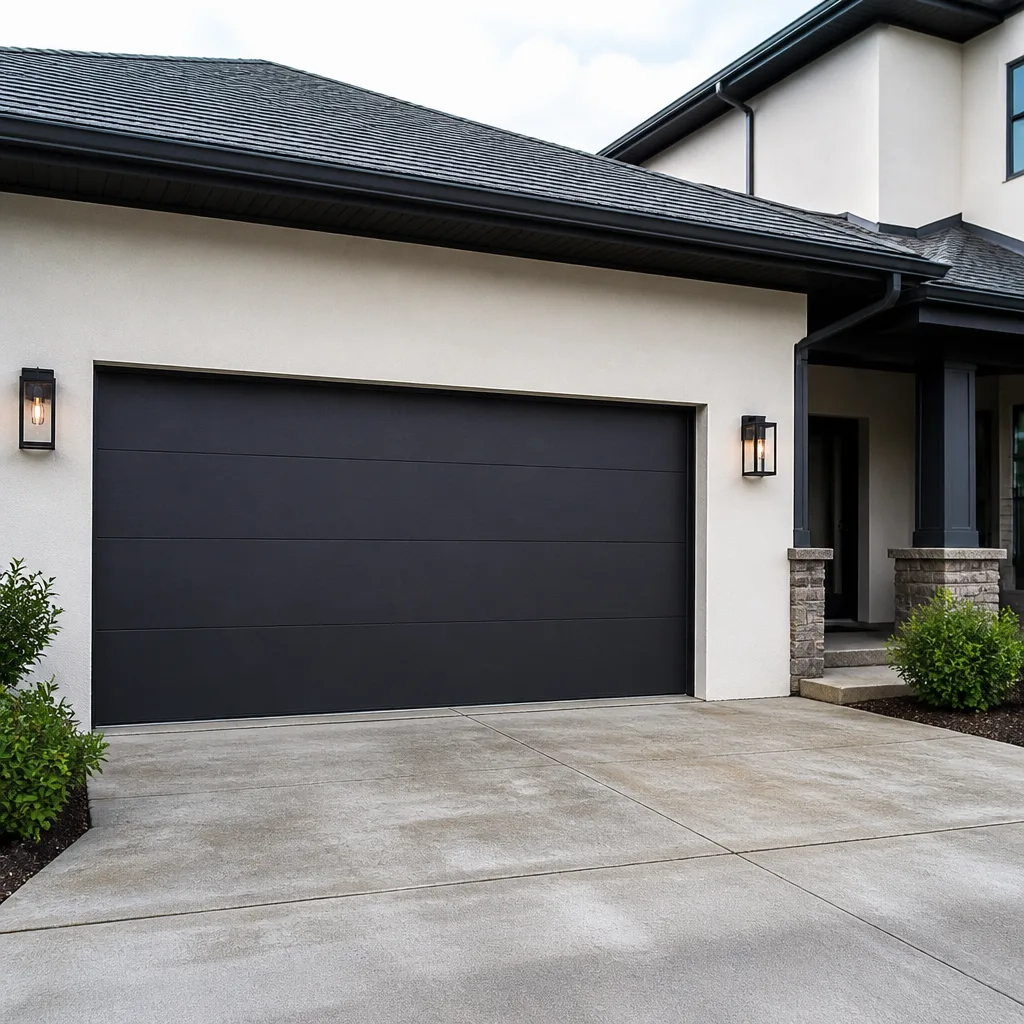 Modern flush
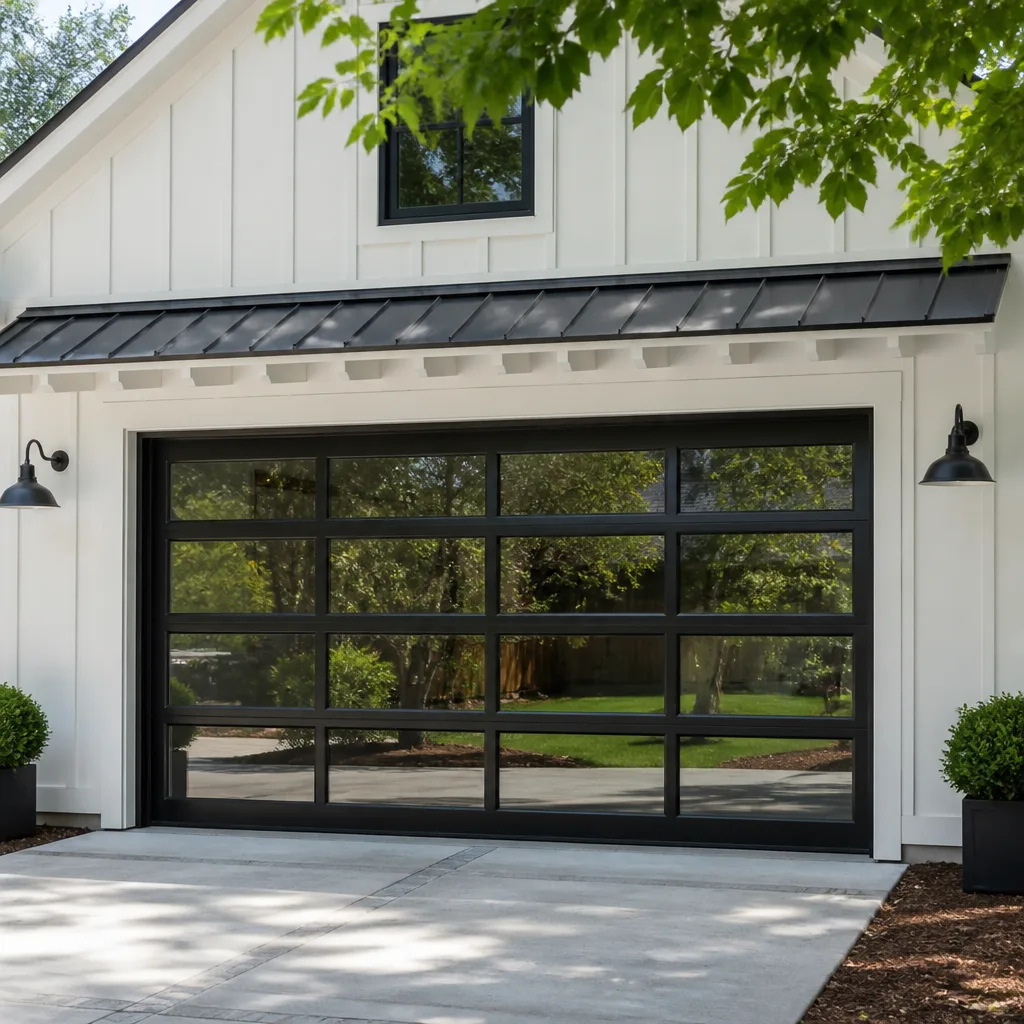 Full-view glass
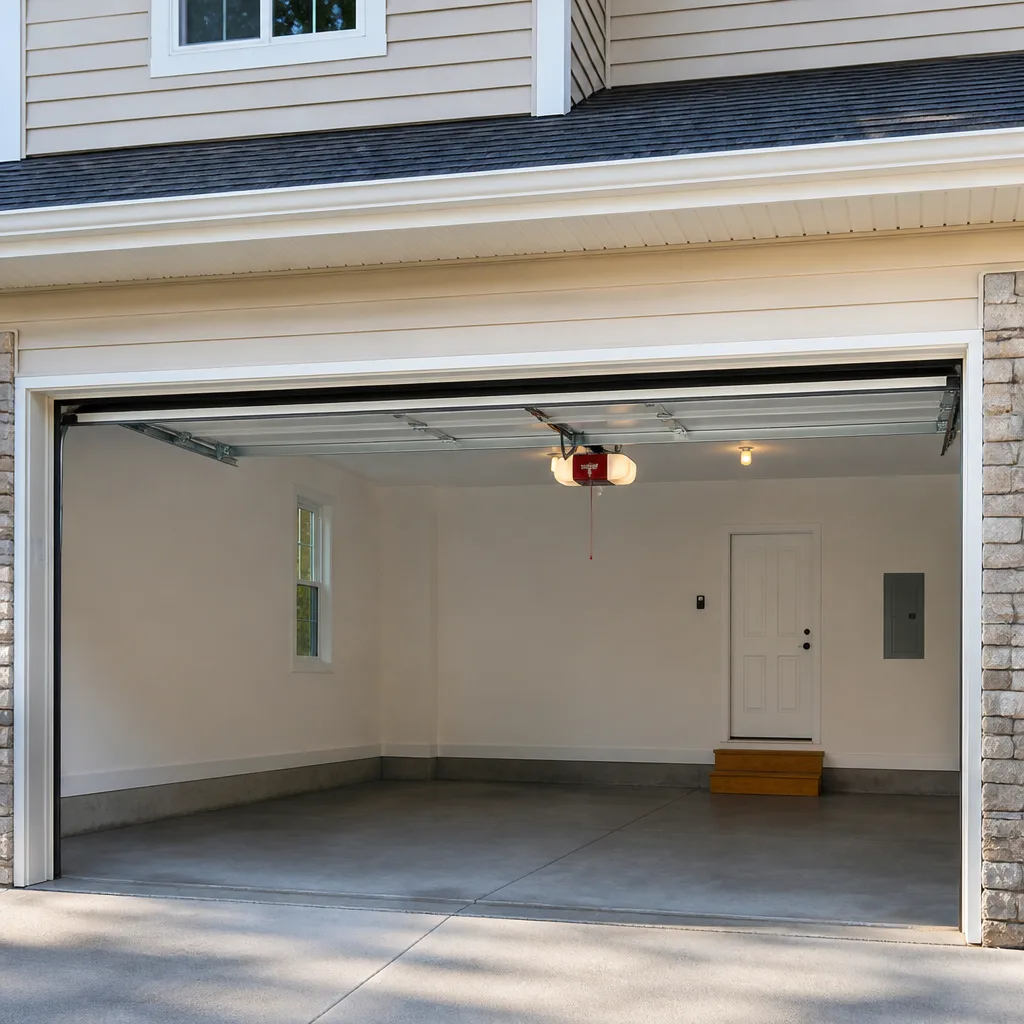 LiftMaster openers
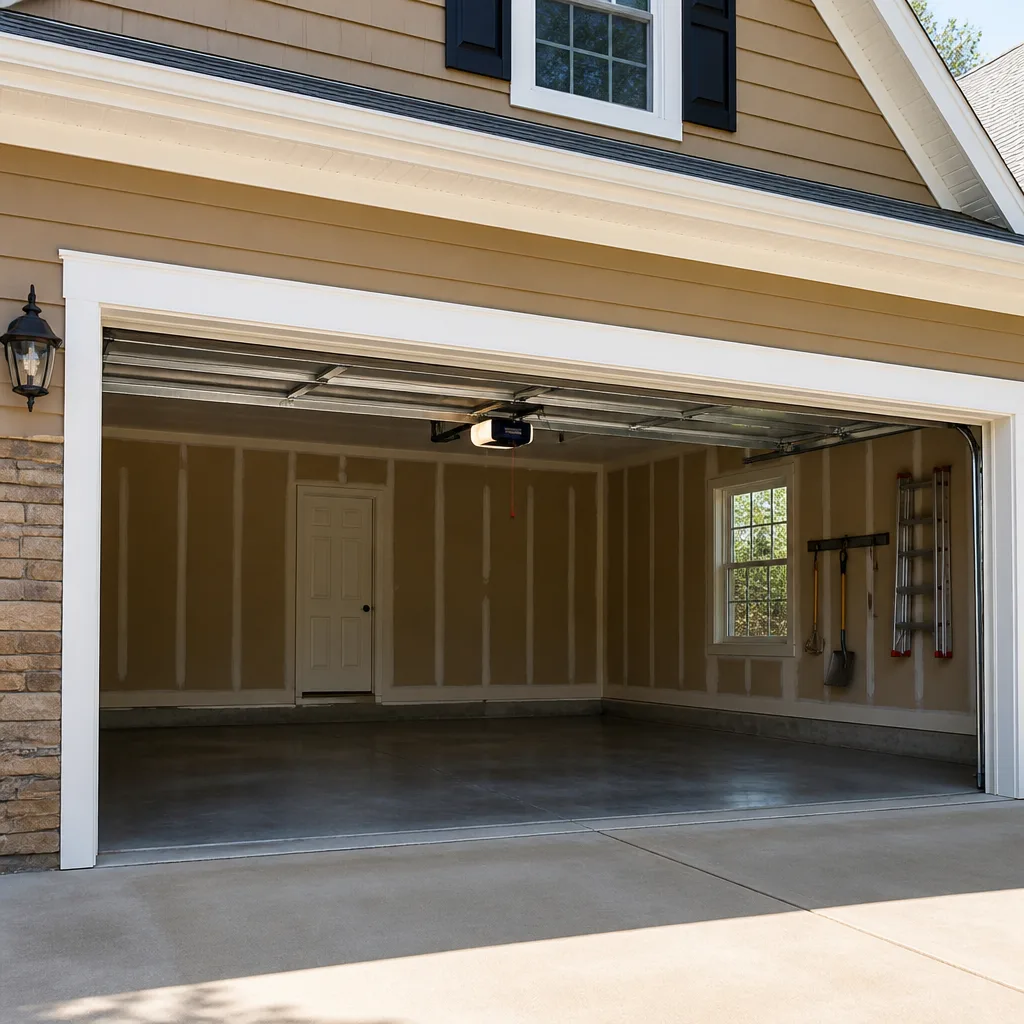 Chamberlain openers
Full 25-point door and opener safety check with every visit - springs, cables, rollers, tracks, and your LiftMaster or Chamberlain opener included
You get a price before we start. It does not change when the pro arrives.
Get your free estimateGarage Door Emergency Preparedness Guide for Haverhill Homes
When a garage door spring snaps at night, most homeowners do one of two things: force the door and damage it further, or leave it half-open overnight and compromise their home security. Neither is necessary if you’ve spent ten minutes with this guide first. The homeowners who come through a garage door emergency calm and in control aren’t luckier than everyone else. They just already know what to do in the first five minutes. In Haverhill, where winters throw ice and hard freezes at older doors and a stuck door can leave a car trapped in the driveway, that preparation pays off. What follows is the prep you do now so a broken spring doesn’t turn into a security problem later.
Quick Answer
To prepare for a garage door emergency in Haverhill, learn three things before you need them: how to use the emergency disconnect cord to release the door safely, how to secure a door that won’t close, and what to tell a repair company when you call so the technician arrives with the right parts. Keep model and serial numbers for your door and opener on a card near the garage, and know the difference between a true emergency and something that can wait. The first five minutes after a failure decide how much damage gets done.
Styles & brands we work with
- Raised-panel steel
- Carriage house
- Modern flush
- Full-view glass
- LiftMaster openers
- Chamberlain openers
Table of Contents
- What to Do in the First Five Minutes
- The Emergency Disconnect Cord: How to Use It Correctly
- How to Secure a Garage Door That Won’t Close
- What to Tell an Emergency Repair Company When You Call
- True Emergency or Can It Wait Until Morning?
- Building Your Garage Door Emergency Card
- Haverhill Conditions That Cause the Most Door Failures
- Seasonal Checks That Prevent Most Emergencies
What to Do in the First Five Minutes
The first five minutes after a garage door fails are where most of the damage happens, and almost all of it is avoidable. A door that’s been forced, or one left half-open while a homeowner figures out what to do, is a door that will cost more to fix. Work through these steps in order.
- Stop operating the door. Don’t hit the opener button again to “see if it works now.” If a spring or cable has failed, running the opener strains the motor and can drop the door.
- Look before you touch. A broken torsion spring shows as a visible gap in the coil above the door. A broken extension spring is a snapped coil along the track. If either is broken, treat the door as unsupported and don’t try to lift it by hand.
- Keep people and vehicles clear. A door with a failed spring is heavy and unpredictable. Move the car out if you can do it safely through another route, and keep kids away from the door.
- Note what you see and hear. Was there a bang? Does the door hang crooked? Is the opener light blinking a code? Write it down for the call.
- Decide whether it’s an emergency. If the door won’t close and the house is open to the street, or a car is trapped, you have a security or access problem. If the door is shut and locked, it can usually wait for the next opening.
That last point matters more than people expect. In our experience, the homeowners who stay calm are the ones who sort emergency from inconvenience before they pick up the phone. A door that’s closed and holding, even with a broken spring, is not the same crisis as a door stuck open on a cold Haverhill night.
The Emergency Disconnect Cord: How to Use It Correctly
The emergency disconnect cord is the red rope hanging from your opener’s carriage, and pulling it releases the door from the opener so you can move the door by hand. Using it correctly is simple, but using it wrong is how doors get damaged and openers get burned out. The cord is a release, not a repair tool. It lets you get the door down and the house secured while you wait for service.
Here’s how it works and what to check:
- Pull straight down, firmly, once. The carriage disengages from the chain or belt and the door is now on manual. You’ll hear a click.
- Lift the door slowly by hand only if the springs are intact. A door with good springs balances and lifts with modest effort. If it feels dead-heavy, the springs have failed and you shouldn’t lift it.
- To re-engage, bring the door to the fully closed position, then pull the cord toward the opener unit until the carriage snaps back onto the rail. Test the opener once at low speed with a hand on the door.
- Never leave the cord pulled while the opener runs. Running the opener with the door disconnected can wrap the chain or strip the carriage.
On older doors and legacy openers like Craftsman and Genie units common in Haverhill’s older housing stock, the carriage can stick after years of use. If the cord won’t re-engage cleanly, don’t force it. That’s a sign the carriage or trolley needs attention, and it’s exactly the kind of thing a garage door opener repair visit sorts out quickly.
Safety note: the cord releases the door from the opener. It does not make a door with broken springs safe to handle. High-tension torsion and extension springs store enormous force, and a failed spring means the full weight of the door is unsupported. Leave spring and cable work to a trained technician.
How to Secure a Garage Door That Won’t Close
A garage door that won’t close leaves your home open to the street, and the goal in that moment is to secure the opening safely without causing more damage. You don’t need a permanent fix. You need the door down, locked, and holding until a technician can look at it. Here are temporary methods that work, from least to most involved.
- Check the obvious first. Is something in the door’s path blocking the safety sensors? Are the sensors aligned and their lenses clean? A misaligned sensor is one of the most common reasons a door reverses and won’t close.
- Lower the door by hand and lock it. If the springs are intact, release the disconnect cord, guide the door down by hand, and engage the manual lock bar or slide bolt that came with the door.
- Use a C-clamp as a track stop. Clamp a C-clamp on the vertical track just above a roller to keep the door from rising. This holds a door that won’t stay down, as long as the springs aren’t broken.
- Brace a gap with a wedge. If the door closes most of the way but leaves a gap, a rubber wedge under the bottom edge keeps it sealed against weather and casual entry.
What you shouldn’t do is drill into the track, screw the door shut, or prop it with anything that puts weight on a bent panel. Those “fixes” turn a repair into a replacement. If the door is stuck open and the house is exposed, that’s the moment to call. For a door that won’t close and can’t wait, we handle garage door repair and can usually schedule same-day service. Call (833) 508-9650. We answer 24/7. Fast dispatch from 7am to 7pm, Sunday through Friday. A call outside those hours gets booked into the next opening.
What to Tell an Emergency Repair Company When You Call
What you tell a repair company when you call determines whether the technician arrives with the right parts or has to come back a second time. A clear, specific call saves time and money. Before you dial, have these details ready so the conversation takes two minutes instead of ten.
- The door’s brand and model, if you can find it. Clopay, Amarr, Wayne Dalton and Raynor doors all have different panel and hardware profiles, so the brand tells the technician what to bring.
- The opener’s brand and model. LiftMaster, Chamberlain, Genie and Craftsman openers each have their own parts and error codes.
- What failed. Broken spring, snapped cable, door off track, opener won’t run, door reversed and won’t close. Say it plainly.
- Whether the door is open, closed, or stuck halfway, and whether a car is trapped.
- Any sounds or codes. A bang, a grinding noise, a blinking opener light, a code on a smart opener display.
- Your address and access notes. A narrow driveway, a low clearance, or a door that faces an alley all affect how the technician approaches the job.
If you don’t know the brand, that’s fine. Say so, and mention whether the door looks newer or older. We work on the brand already in your garage, and our technicians have up to 12 years of experience across the eight major brands we service. Knowing the brand up front means one trip instead of two.
True Emergency or Can It Wait Until Morning?
A true garage door emergency is a security or access problem, not just an inconvenience. Sorting your situation into the right category keeps you from paying for a call you didn’t need, and keeps you from waiting when you shouldn’t. Here’s how to tell the difference.
These are true emergencies
- The door won’t close and the house is open to the street. Security breach, especially overnight.
- A car is trapped inside and you need it for work or an appointment.
- A broken spring or snapped cable that leaves the door unsupported and dangerous to operate.
- The door is off its tracks and hanging, which can fall.
- The door came down on something and is jammed or damaged.
These can usually wait for the next opening
- A door that’s closed, locked and holding, even with a broken spring.
- An opener that’s quit but a door you can operate by hand and lock.
- A noisy door, a slow door, or a door that reverses occasionally but still closes.
- Cosmetic damage: a dented panel, a cracked window, a rubbing seal.
If you’re not sure which side of the line you’re on, call and describe it. We answer 24/7, and we’ll tell you honestly whether it can wait for the next opening, Sunday through Friday, 7am to 7pm. If a door fails on a Saturday, we’re closed that day and will book you for Sunday. When springs are involved, we treat it as a garage door spring repair job and handle it with the care the tension demands.
Building Your Garage Door Emergency Card
A garage door emergency card is a small card you keep in the garage or on the fridge with the information you’d otherwise scramble for in a crisis. It’s the single most useful ten-minute task in this guide. When every minute counts, you don’t want to be crawling around looking for a model sticker.
Here’s what belongs on it:
- Door brand and model (Clopay, Amarr, Wayne Dalton, Raynor) and the panel style.
- Opener brand and model (LiftMaster, Chamberlain, Genie, Craftsman) and where the manual is.
- Serial numbers for both door and opener, usually on a sticker on the opener housing or the door’s end stile.
- Spring type: torsion (above the door) or extension (along the tracks), and how many springs.
- Service contact: Haverhill Garage Door Repair Co, (833) 508-9650. We answer 24/7. Fast dispatch from 7am to 7pm, Sunday through Friday.
- The manual lock location and whether the door has one.
Take a photo of the stickers on your opener and door and save it to your phone, too. A photo beats a handwritten card when the garage is dark and you’re in a hurry. If you’re not sure what you’re looking at, a routine service visit can help you identify the parts and fill in the card.
Haverhill Conditions That Cause the Most Door Failures
Haverhill’s weather works on garage doors year-round, and understanding the local conditions helps you spot trouble before it becomes an emergency. The biggest driver is freeze and thaw. Water gets into the door’s bottom seal, the hinges and the track, then freezes and expands overnight. That expansion bends tracks, cracks rollers and stresses springs. When it thaws, the door runs rough and the damage shows up as a door that binds halfway up.
The second driver is the age of the housing stock. Many Haverhill homes have older doors and legacy openers installed years ago, and those systems have accumulated wear that a newer setup hasn’t. A Craftsman or Genie opener from that era can develop a worn carriage or a tired gear that fails on the coldest morning of the year. The third is road salt and grit tracked onto the door’s moving parts, which dries out hinges and rollers and makes the door work harder.
What to watch for in Haverhill specifically:
- Doors that bind or hesitate on the first cold morning after a thaw.
- Bottom seals that stay wet and freeze to the floor.
- Rust or grit on the tracks from winter road spray.
- Openers that strain to lift a door that ran freely a month earlier.
None of these are emergencies on their own, but each one is a warning. A door that binds in January is a door that’s more likely to fail in February. When repair is no longer cost-effective, the same team that diagnoses the problem can handle a full garage door installation so you’re not handed off to a second company.
Seasonal Checks That Prevent Most Emergencies
Most garage door emergencies we see in Haverhill had warning signs weeks before they failed. A few minutes of checking each season catches those warnings early. You don’t need tools for most of it. You need to look, listen and note what’s changed.
Run through this checklist at the start of fall and again in spring:
- Test the balance. Release the disconnect cord, lift the door halfway by hand, and let go. A balanced door stays put. One that drops or rises on its own needs spring attention.
- Check the safety sensors. Wave an object through the beam. The door should reverse. Clean the lenses and confirm the indicator lights are solid.
- Look at the springs. A visible gap in a torsion spring or a snapped extension spring means it’s failed. Don’t operate the door; call for garage door spring repair.
- Listen to the opener. Grinding, rattling or a door that jerks means the opener is straining. That’s a garage door opener repair call before it quits entirely.
- Check the tracks and rollers. Look for bends, rust and flat spots on rollers. Wipe the tracks clean of grit and don’t grease them; grease attracts dirt.
- Inspect the bottom seal. A cracked or missing seal lets water in, and water is the freeze-thaw culprit.
If any check turns up something you’re not sure about, a free estimate is the cheapest way to find out whether it’s a five-minute adjustment or a repair that’s coming. Spring and cable checks in particular are visual only. Don’t try to adjust or replace them yourself.
Common Mistakes to Avoid
- Forcing a door with a broken spring. Pushing or pulling a door whose spring has failed strains the opener and can drop the door. Stop operating it and call.
- Running the opener with the disconnect cord pulled. This wraps the chain and strips the carriage, turning a simple re-engage into a repair. Always re-engage the carriage before running the opener.
- Screwing or drilling a door shut. Drilling into the track or panels to secure a stuck door damages it permanently and can turn a repair into a replacement. Use a C-clamp or the manual lock instead.
- Ignoring a door that binds in cold weather. In Haverhill, a door that hesitates on the first freeze is warning you. Waiting until it fails means a bigger repair.
- Calling without the brand and model. A call without the door and opener details often means a second trip and a longer wait. Have the card ready or take a photo.
- Treating every problem as an emergency. A closed, locked door with a broken spring can wait for the next opening. Sorting emergency from inconvenience saves you an unnecessary call.
- Letting a handyman touch torsion springs. High-tension springs store dangerous force, and most general handymen won’t take the job. Use a technician who does spring work routinely.
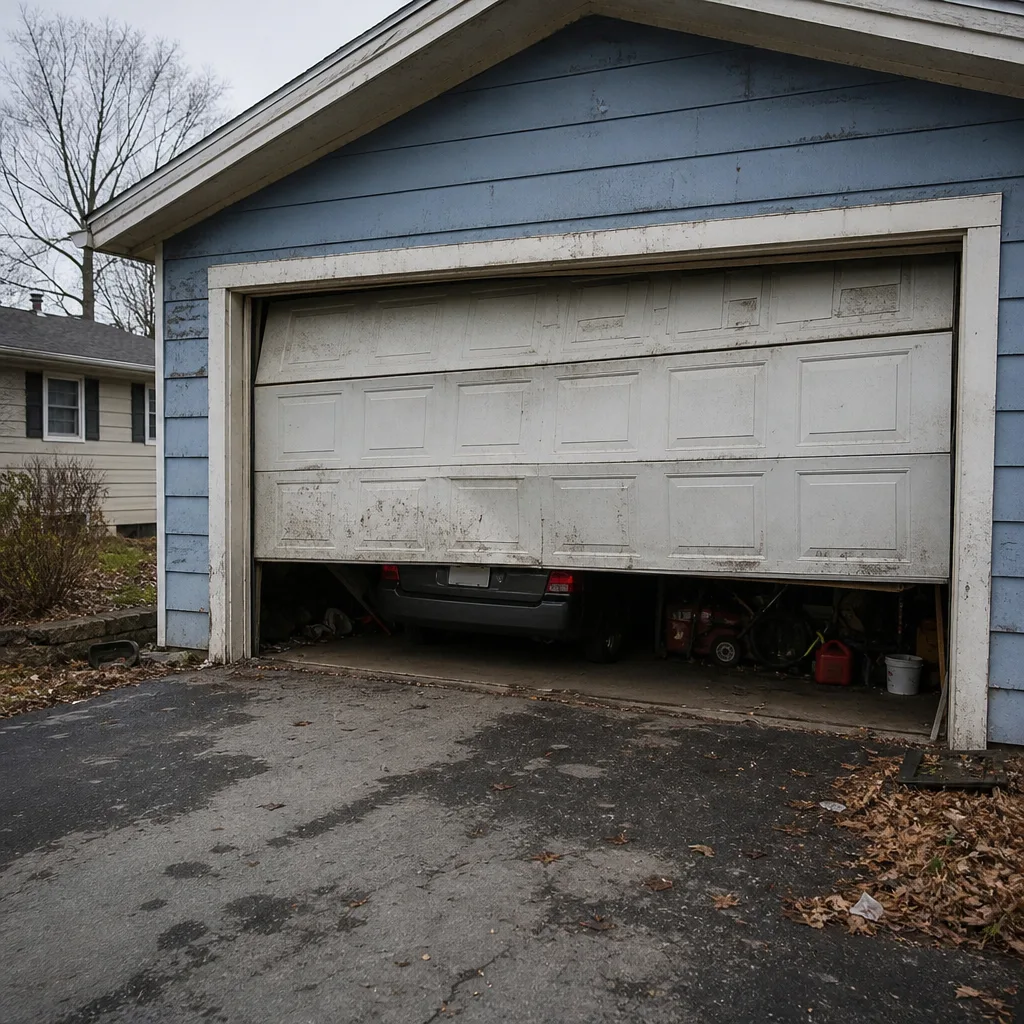
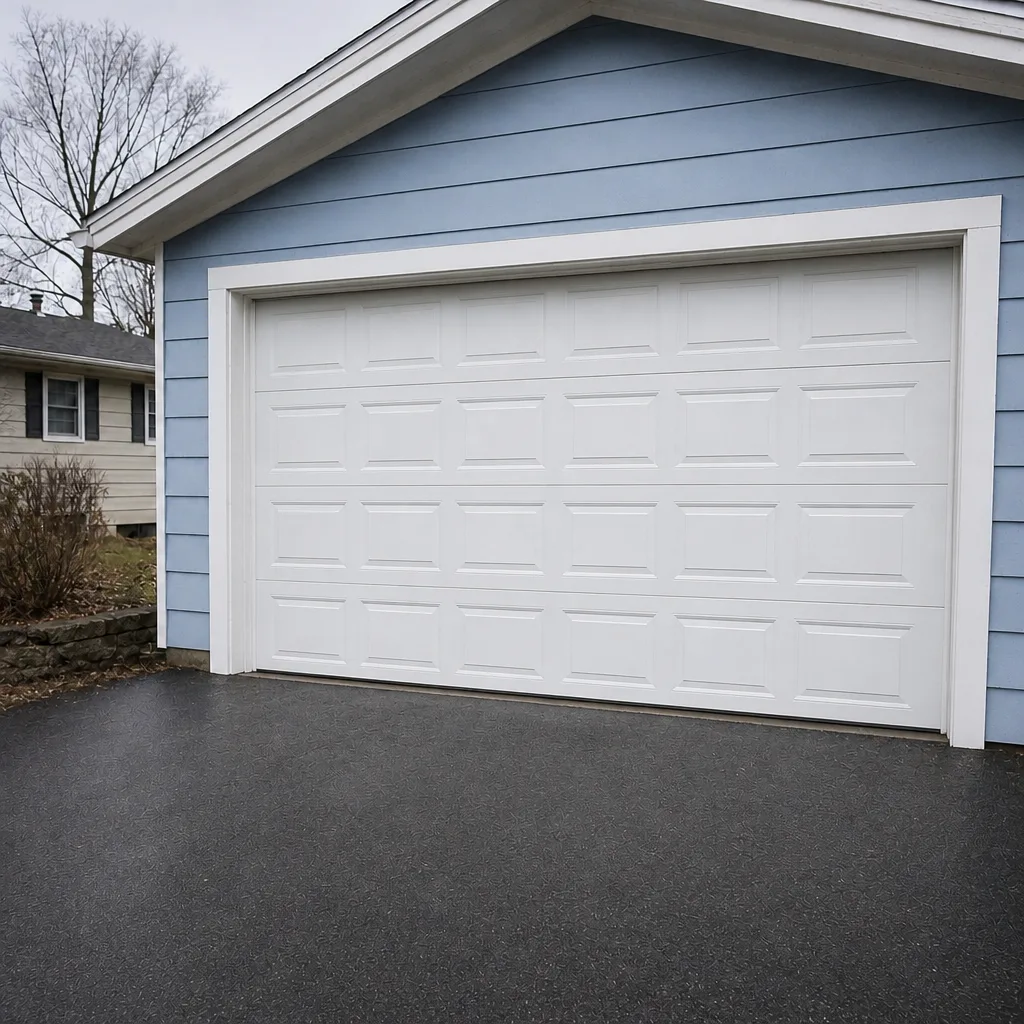
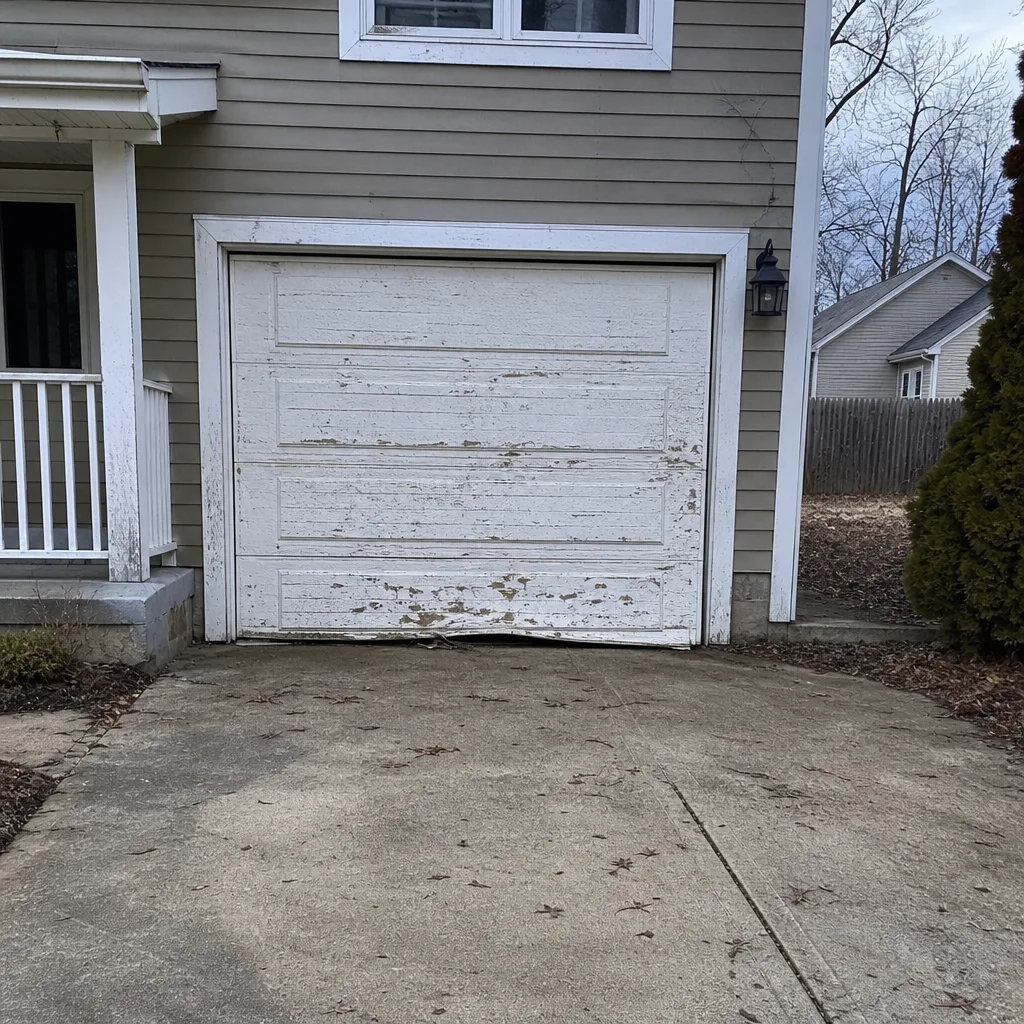
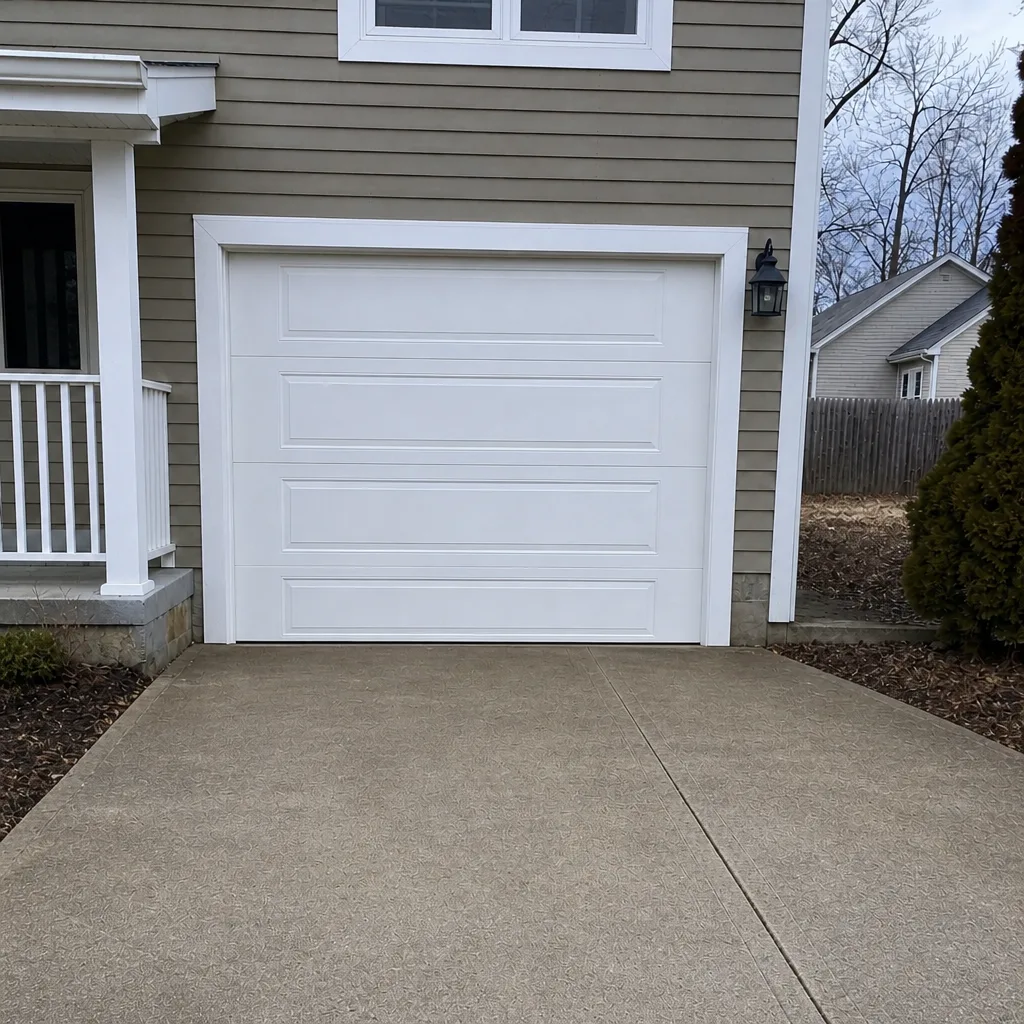
See the difference
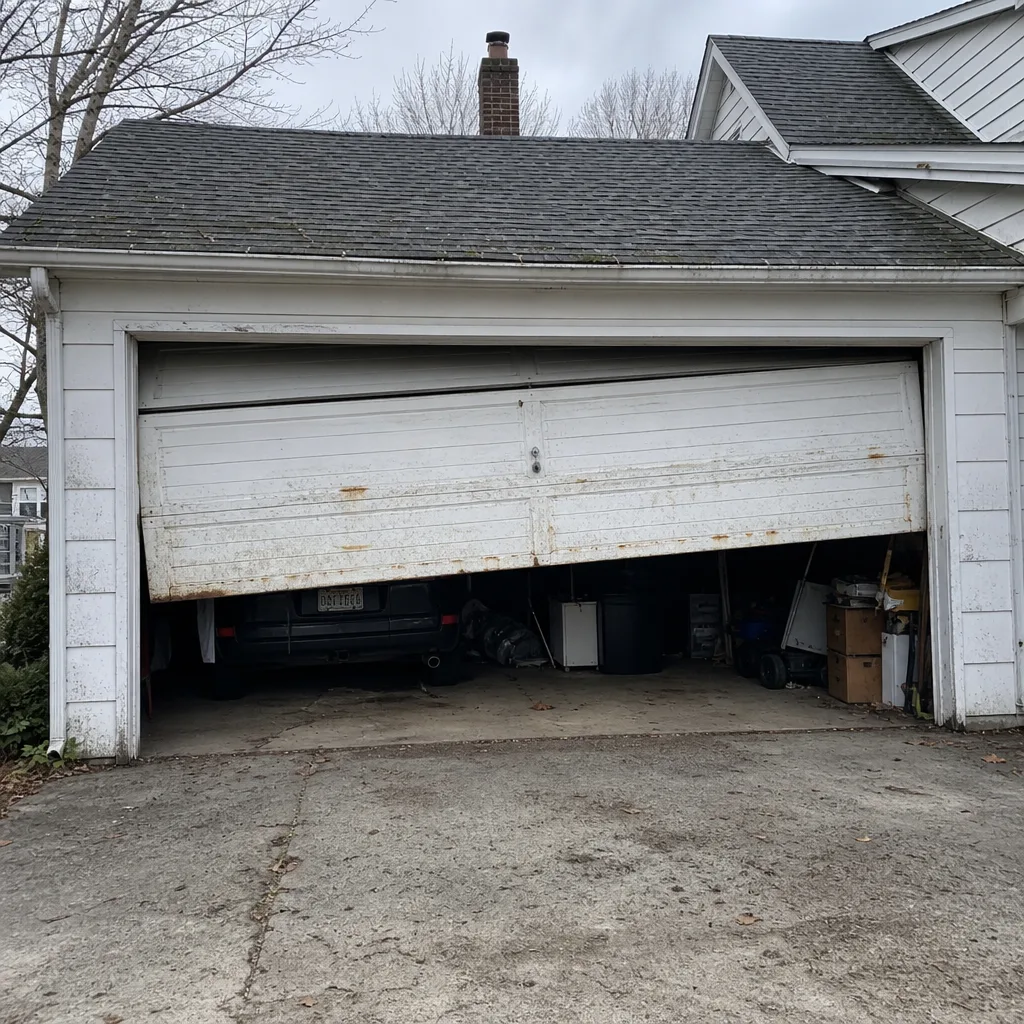 Before
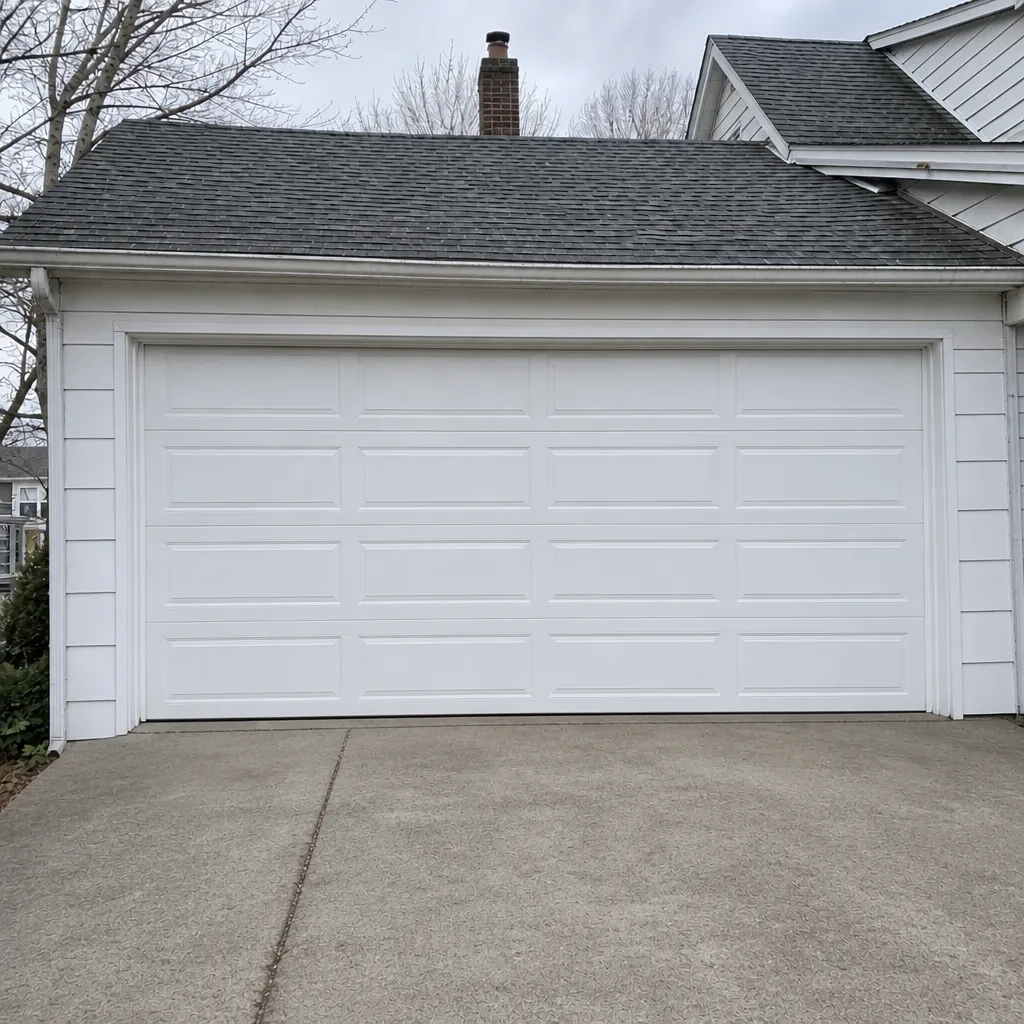 After
 Before
 After
 Before
 After
When to Call a Professional
Call a professional when a spring or cable has failed, when the door is off its tracks, when it won’t close and the house is exposed, or when a car is trapped. Those are the situations where the danger is real and a trained technician is the right call. Spring and cable work in particular is high-risk and not a homeowner job. For opener issues, a trained technician can often repair a repairable unit before you replace it, which is worth knowing if your LiftMaster or Chamberlain opener is acting up. Haverhill Garage Door Repair Co offers free estimates in Haverhill. Call (833) 508-9650. We answer 24/7. Fast dispatch from 7am to 7pm, Sunday through Friday.
Frequently Asked Questions
No. A door with a broken spring is far heavier than it looks and can drop unexpectedly, so it’s not safe to lift by hand. Leave it closed, keep people clear, and call a technician for spring repair. If the door is stuck open and the house is exposed, treat it as an emergency and call right away.
A true emergency is a security or access problem: the door won’t close and the house is open, a car is trapped, a spring or cable has failed, or the door is off its tracks and hanging. A closed, locked door that’s holding, even with a broken spring, can usually wait for the next opening. When in doubt, call and describe it and we’ll tell you honestly.
Pull it straight down, firmly, once. That releases the door from the opener so you can move it by hand, but only if the springs are intact. To re-engage, close the door fully and pull the cord toward the opener until the carriage snaps back on the rail. Never run the opener while the cord is pulled.
Give the door brand and model, the opener brand and model, what failed, whether the door is open or closed, and whether a car is trapped. Add any sounds or error codes and your address. Knowing the brand up front means the technician arrives with the right parts and you avoid a second trip. Call (833) 508-9650 for an exact quote. Estimates are free.
We’re closed Saturday. We’re open Sunday through Friday, 7am to 7pm, and our phones are answered 24/7. If a door fails on a Saturday, call and we’ll book you for Sunday. A call outside dispatch hours gets booked into the next opening, Sunday through Friday, 7am to 7pm.
The price is set per job by the written estimate, and it’s quoted and agreed before any work starts. A spring repair is priced per spring, and a matched pair is usually replaced together, so a pair runs about twice a single spring. Call (833) 508-9650 for an exact quote. Estimates are free.
No. We quote and agree the price before any work starts, and the written estimate sets the final price. If the technician finds something beyond what you described, you’ll hear about it before anything is done, not after. Call (833) 508-9650 for an exact quote. Estimates are free.
The local pro we connect you with is licensed and insured as their state requires, and our technicians have up to 12 years of experience across the brands we service. That covers LiftMaster, Chamberlain, Genie, Clopay, Amarr, Wayne Dalton, Craftsman and Raynor. Call (833) 508-9650 for an exact quote. Estimates are free.
The Bottom Line
Garage door emergencies in Haverhill come down to the first five minutes, and the preparation you do now decides how those minutes go. Learn the emergency disconnect cord, keep a way to secure a door that won’t close, know what to tell a repair company when you call, and sort a true emergency from something that can wait. Build the emergency card with your door and opener details and a service number, and run the seasonal checks each fall and spring. Do that, and a broken spring stops being a crisis. It becomes a phone call you’re ready to make. If you’d rather have help preparing or you’re dealing with a door right now, Haverhill Garage Door Repair Co is one call away.
Call (833) 508-9650 for a free estimate. We work on the brand already in your garage, from a snapped spring to a brand-new door, and one call covers it. We answer 24/7. Fast dispatch from 7am to 7pm, Sunday through Friday.
Written by the team at Haverhill Garage Door Repair Co.