
Last updated November 22, 2026
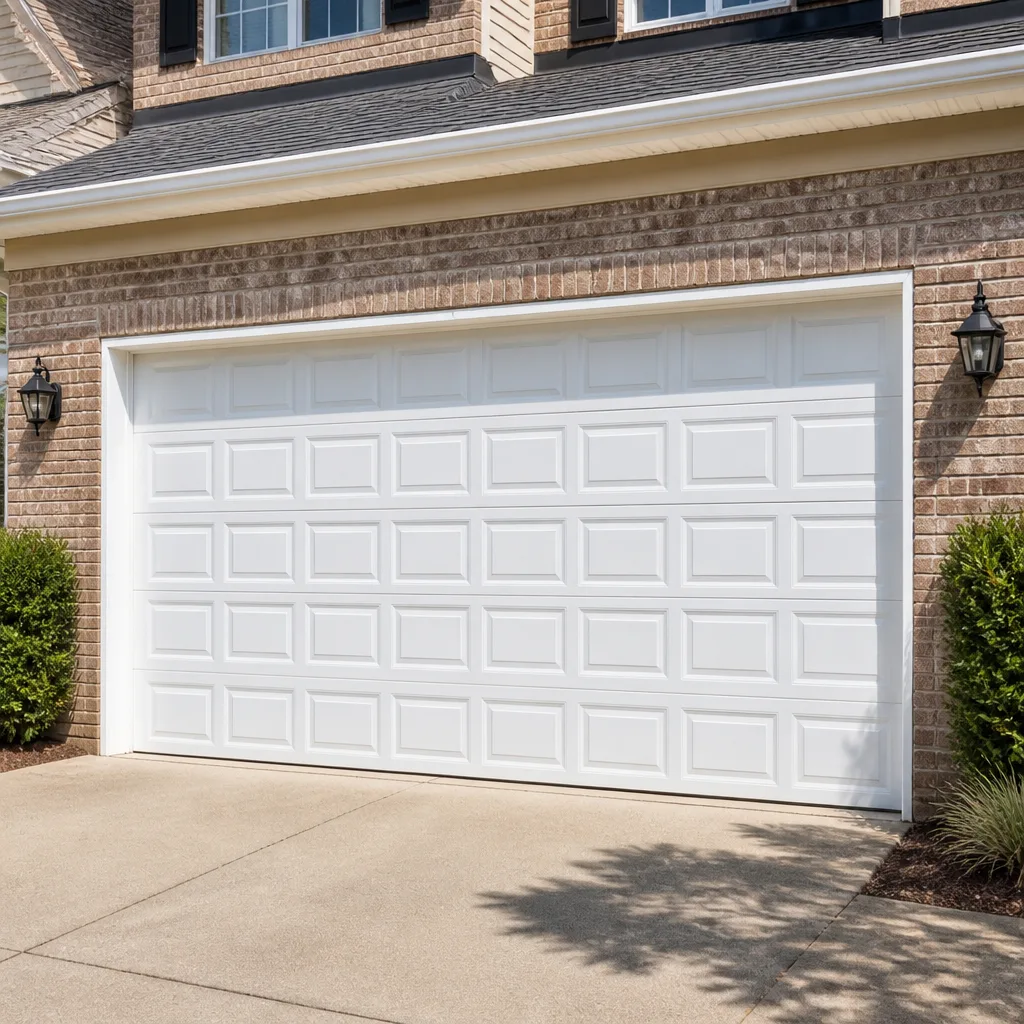 Raised-panel steel
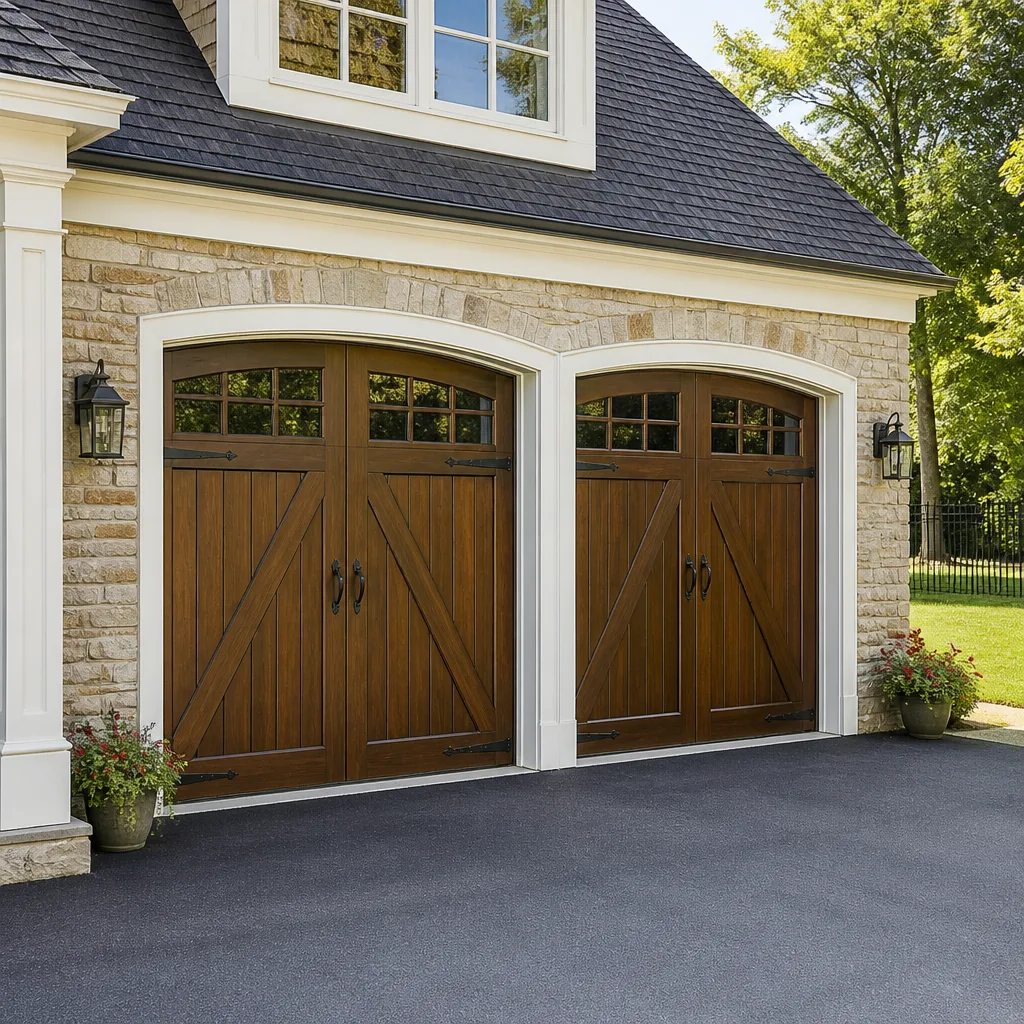 Carriage house
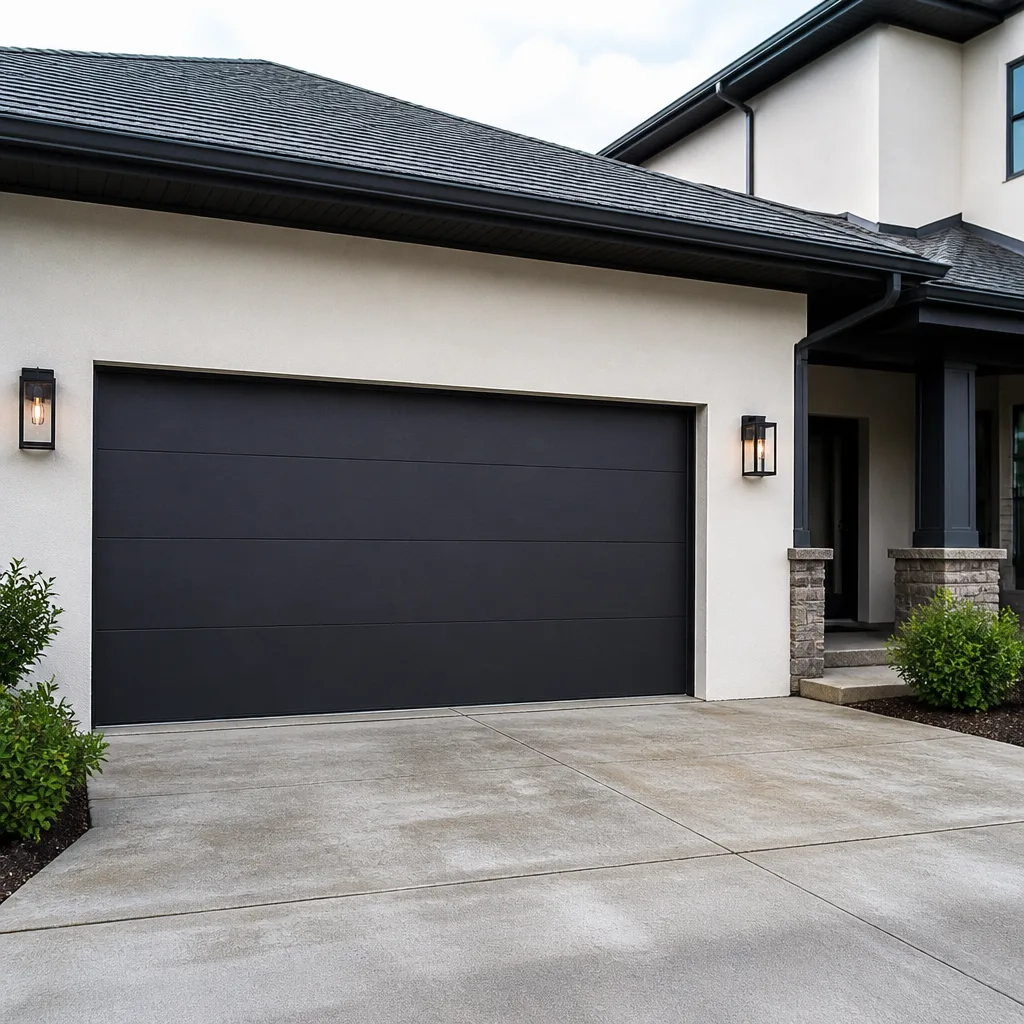 Modern flush
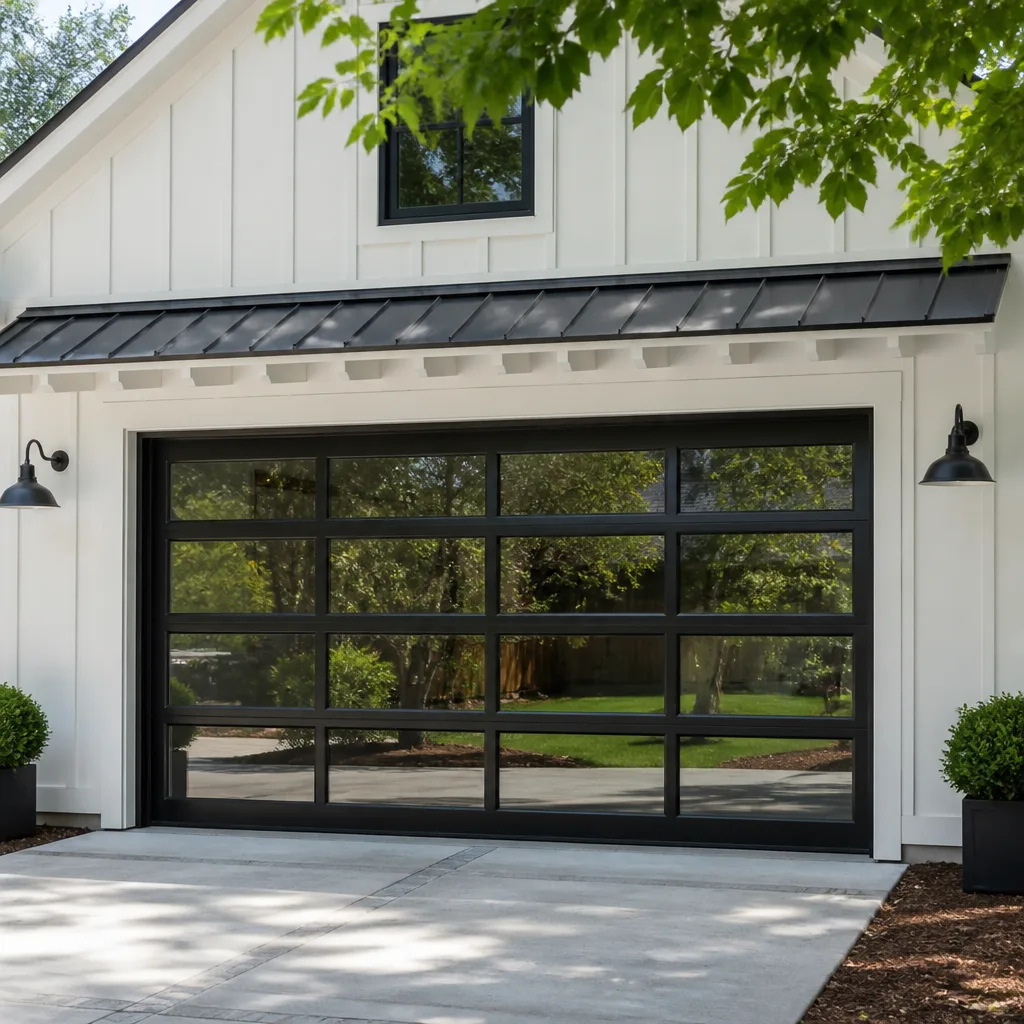 Full-view glass
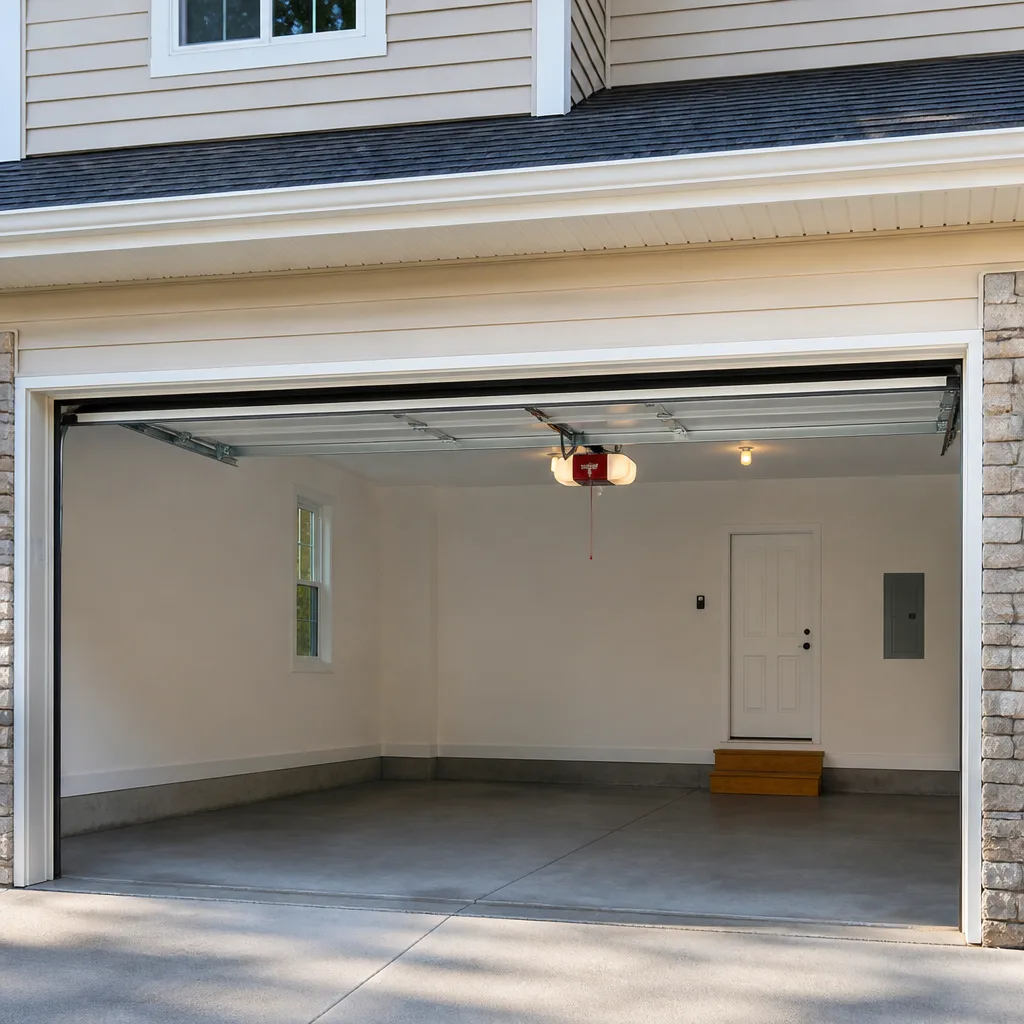 LiftMaster openers
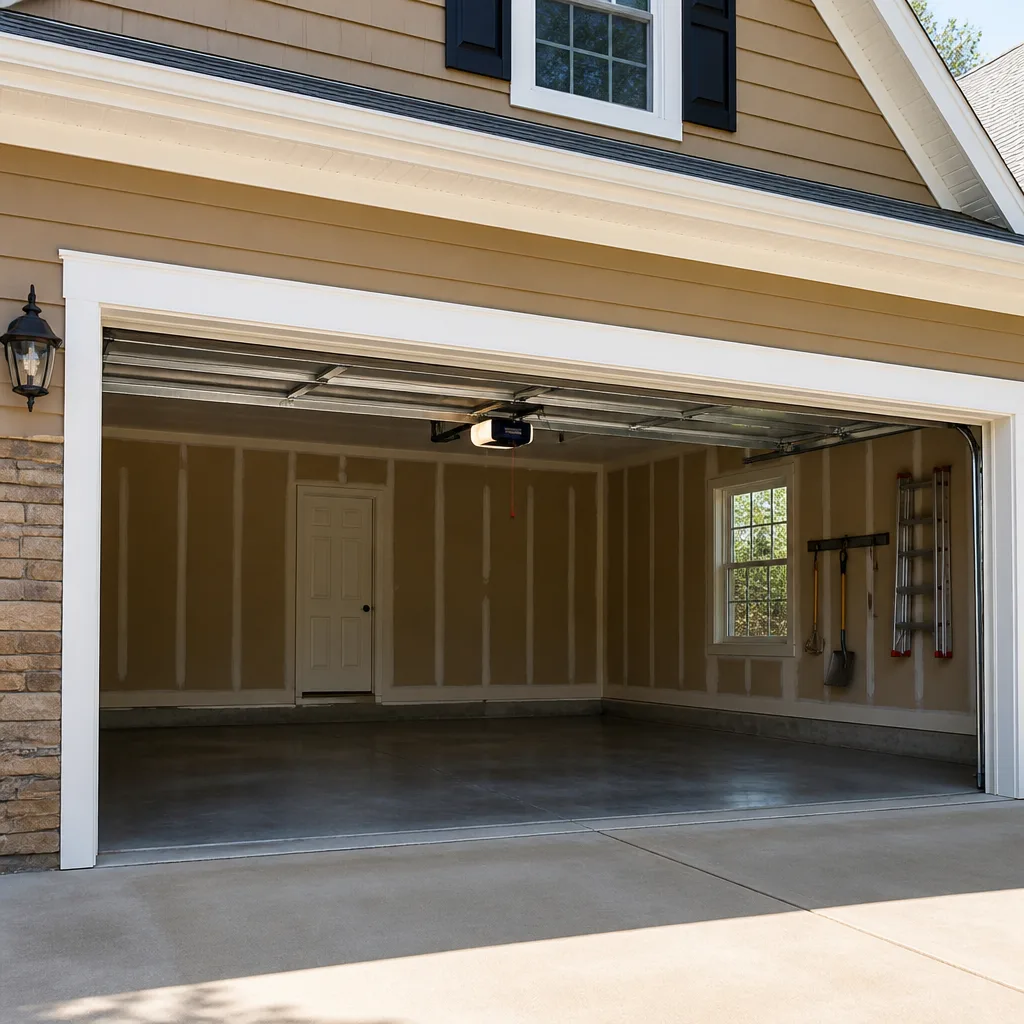 Chamberlain openers
Full 25-point door and opener safety check with every visit - springs, cables, rollers, tracks, and your LiftMaster or Chamberlain opener included
You get a price before we start. It does not change when the pro arrives.
Get your free estimateGarage Door Warning Signs: A Haverhill Homeowner’s Reference Guide
That grinding noise your garage door started making three weeks ago? It’s not “just how it sounds now.” A worn roller bearing sounds exactly like that right before it seizes and pulls the door off its track. Most homeowners in Haverhill wait until something breaks completely, and that waiting is what turns a small parts job into a major repair. Your door tells you what’s wrong long before it fails: through sound, speed, and small visual cues at the springs, cables, and floor line. This guide teaches you to read those signals, run a 60-second balance test twice a year, and know the difference between “schedule this soon” and “stop using the door right now.”
Styles & brands we work with
- Raised-panel steel
- Carriage house
- Modern flush
- Full-view glass
- LiftMaster openers
- Chamberlain openers
Quick Answer
The most important garage door warning signs are grinding or squealing during travel, a door that reverses before closing, visible gaps in spring coils, slack or frayed cables, and a door that won’t stay level at the floor. Any of these means a component is wearing or has failed. If you see a broken spring, a snapped cable, or the door hanging crooked, stop using it and call a professional before operating it again.
Table of Contents
- What Your Door’s Sounds Are Telling You
- Visual Signals Haverhill Homeowners Overlook
- Behavioral Red Flags in Opener Performance
- The 60-Second Balance Test
- How to Triage Urgency
- What Haverhill Weather Does to Your Door
- Common Mistakes to Avoid
- When to Call a Professional
- Frequently Asked Questions
- The Bottom Line
What Your Door’s Sounds Are Telling You
Sound is the earliest and most reliable warning your door gives you. Each component under load has a signature noise, and once you learn to separate them you can usually name the failing part before a technician arrives. Here’s how to tell them apart.
Grinding
A low, continuous grind that follows the door as it moves almost always points to a roller bearing or a torsion tube that’s dry or worn. When a bearing seizes, the roller stops turning and drags metal on metal. That friction can pull the door out of its track. On a Clopay or Amarr door with original rollers, this is a common first failure. Ignore it and the grind becomes a jam.
Squealing or Screeching
A high-pitched squeal is usually a dry hinge, a worn roller, or a torsion spring that’s lost its lubrication. Squealing is the most forgiving of the noises because it often responds to proper lubrication. But if the squeal is paired with a door that travels slower than it used to, the spring is the more likely source and lubrication won’t fix it.
Popping or Snapping
A single sharp pop is serious. It often means a torsion spring has snapped or one of its coils has broken. Popping can also signal a cable jumping its drum or a bent section hinge. If you hear a pop and the door suddenly feels very heavy or won’t lift evenly, stop immediately and treat it as a spring failure.
Rattling or Loose Clatter
A rattle that’s gotten louder over time usually means loose hinge bolts, a worn panel fastener, or track brackets that have worked loose. Rattling is usually a low-cost fix, but a persistently loose section under load can crack the panel itself. Tighten and inspect before that happens.
If the door starts making any one of these sounds, we’d treat the balance test below as the next step before assuming the worst. In our experience, half of what sounds catastrophic turns out to be a roller, hinge, or balance issue. The other half warrants professional garage door repair right away.
Visual Signals Haverhill Homeowners Overlook
Some failures don’t announce themselves with sound. These four visual cues are the ones we check first when we walk into a Haverhill garage, and they’re the ones homeowners most often walk past for months without noticing.
Gaps in the Spring Coils
Look at the torsion spring above the door (the horizontal coil assembly on the shaft). The wire should sit in tight, even coils. Any gap between coils, or a coil that’s visibly stretched, means the spring has lost tension. A gap is a warning. A coil you can see separated into two pieces is a failure.
Cable Slack or Fraying
The two steel cables run along each side of the door from the bottom bracket to the drum. Check for slack cable, cables that sag, or frayed wire strands. A slack cable on one side will make the door dip or bind. Never try to re-tension or handle a loaded cable yourself; they’re under extreme tension and the injury risk is real.
Uneven Gaps at the Floor
Close the door and check the gap between the bottom seal and the floor across the width. The gap should be even. If one corner sits visibly higher or the door dips at one end, the door is out of balance or the tracks are misaligned. That uneven load wears the springs unevenly and shortens their life. It also lets outside air into the garage, which in Haverhill winter matters.
Paint Cracking at Panel Folds
Look at the turned edges and folds of each panel. Cracking paint or a hairline crack at a fold often signals the panel is under stress or flex is developing. On steel doors like many Clopay and Amarr models, this is the earliest visible sign of panel fatigue. Catch it early and the panel may still be sound. Miss it and the panel itself can fail.
If two or more of these show up together, that’s the door telling you it’s overdue for a proper inspection. We handle both as part of garage door spring repair and general tune-ups, and the estimate is free.
Behavioral Red Flags in Opener Performance
Openers are the easiest part of the system to dismiss because they still “work.” But how an opener behaves under load is one of the most useful diagnostics you have. Here’s what each symptom usually points to.
Slow Travel Speed
If the door has gotten noticeably slower to open or close over months, that’s a load problem, not an opener issue in most cases. A door that’s dragging on dry tracks, or that’s being fought by a weak spring, forces the opener to work harder. A Chamberlain or Genie opener will often strain through it for a while before failing. Fix the mechanical cause first and speed usually returns.
Reversing Mid-Cycle
A door that goes partway up and reverses, or comes partway down and reopens, is usually tripping one of its safety mechanisms. Two common causes: obstructions or a misaligned safety sensor, or excessive resistance in the door itself. This is a genuine safety concern, not just a nuisance. If a door reverses on its own whenever resistance shows up, it can mean it will reverse on a person or a car too. Have it checked.
Remote Lag or Weak Signal
If a remote or wall button takes increasingly longer to trigger the motor, the problem is often the opener’s logic board, antenna, or a dying battery. Chasing weak signal is exactly the kind of diagnostic work that garage door opener repair covers. Many openers being replaced today just have a failing logic board or photo-eye issue; the unit is repairable.
Clicking Without Movement
You press the button, the opener clicks, but the door doesn’t move. This pattern points to a worn drive gear (common on older Craftsman units), a broken spring overpowering the opener, or a stripped carriage. Diagnose it against the balance test below before concluding the opener is dead.
The 60-Second Balance Test
This test takes under a minute and reveals a spring problem before the door fails. It’s the most valuable thing you can do twice a year. Do it carefully and never put your hands or head in the door’s path. Since the test involves releasing the door from the opener, run it only when the door is in good enough condition to be manually moved.
- Close the door completely. Make sure nothing is in the track or under the door.
- Pull the release cord (the emergency disconnect) to disengage the door from the opener. The door should be disconnected from the motor.
- Lift the door about halfway by the bottom handle. Use a firm, balanced lift from the center of the bottom section. This should require moderate effort, not a full-body heave.
- Let go and watch. A balanced door should stay in place, roughly where you stopped it.
- Note what happens. If it drifts down on its own, the springs are weak. If it flies up fast, they’re over-tensioned. If it drops fast, they’ve failed.
- Reconnect the door to the opener by re-engaging the release, or leave it disconnected until a professional arrives if the result looked bad.
If the door drops or drifts significantly, stop using the door. Springs control the door’s weight; when they fail, they can send the door, and the openers, into an uncontrolled drop. This is the single most important test we recommend to every Haverhill homeowner. Do it in spring and again in fall.
Safety note: the torsion and extension springs are under dangerous high tension and are the most common cause of serious garage door injury. Never try to adjust, remove, or re-tension them yourself. If the balance test fails, call a trained technician. That’s exactly the kind of high-risk work we do routinely.
How to Triage Urgency
Not every warning sign is a stop-the-presses moment. Learning to sort them saves you money and avoids unnecessary stress. Here’s the honest split.
Schedule This Week
- Grinding, squealing, or rattling that started recently and is getting louder
- Uneven gaps at the floor, or the door sitting crooked when closed
- Openers that click without moving, or reverse mid-cycle
- Slow opener travel, weak remote range, or slow response
- Cracking paint at panel folds, or visible wear on rollers and hinges
These are warning signs, not emergencies. The door still functions, but it’s broadcasting a failure coming. Get it on the calendar before a worn part snaps and turns into a bigger repair.
Stop Using the Door Until Fixed
- A broken torsion sprint, or separated extension spring
- A snapped, slack, or clearly frayed cable
- Door hanging visibly crooked or off one track
- Door reopens or reverses unexpectedly, or drops fast when the balance test releases it
- Loud pop followed by a door that won’t lift or feels extremely heavy
These are genuine hazards. A door with these symptoms can drop on a person or vehicle, or leave the garage open to the outside. Don’t keep cycling it to see if it works. Keep the door closed and shut, disconnect the opener if you can do so safely, and call for service.
For true access or security crises (a door stuck open at night, or one that won’t close before you leave), we offer emergency garage door service across Haverhill. Call (833) 508-9650. We answer 24/7. Fast dispatch from 7am to 7pm, Sunday through Friday.
What Haverhill Weather Does to Your Door
Garage doors fail differently depending on where you live, and this area’s pattern of cold winters, spring freeze-thaw cycles, and humid summers puts specific stress on the system.
Our spring-to-fall temperature swing (frigid winters up to warm, humid summers) is a big one. Metal contracts in winter and expands in summer, and torsion springs open and close hundreds of times a year under that cycle. Springs are the first component to weaken in a place like Haverhill, and most spring failures we see follow the first sharp cold snap of the season or the first big warm-up of spring. That’s why we recommend the balance test in fall and again in spring: it catches a tired spring before the temperature swing finishes it off.
Freeze-thaw also affects the ground itself. In older Haverhill homes and along hillside properties, the soil under the garage floor slab can shift slightly, which throws off track alignment and creates the uneven floor gaps covered above. If your door started dragging after a hard freeze, the slab and track mount is a likely suspect, not the springs.
Summer humidity matters too. A tight, humid garage accelerates wear on rollers and wood or composite panels and encourages a rusty torsion tube. Lubrication done twice a year (spring and fall) is the cheapest habit that stretches a spring’s life in this climate. If you hear the grind on a humid summer day, lubrication or a roller replacement is worth checking before assuming something’s broken.
Common Mistakes to Avoid
- Spraying oil on the torsion springs. A little garage-door lubricant on rollers and hinges is fine, but many homeowners spray the springs and drums directly. They attract grit, which accelerates wear. If in doubt, leave spring lubrication to a technician.
- Trying to “help” a failing door. If the door won’t lift, pushing it by hand to force it up can bend the panels or snap a weakened spring. Leave it to a service call.
- Replacing an opener that just needs a repair. When a Chamberlain or Genie opener seems dead, the fault is often a photo-eye, a logic board, or a worn drive gear. A diagnostic is far cheaper than a new unit.
- Skipping the balance test because the door “works fine.” A spring that’s 95% worn looks and acts fine until it snaps. The test is 60 seconds and reveals this before the weather does.
- Ignoring a reversing door. A door that reverses mid-cycle is often tripping on resistance or a sensor misalignment. That’s a real safety function. Don’t disable the safety eyes or override the reversal to force it to close.
- Assuming a snapping noise is “just the door settling.” A pop you hear from the garage and a door that suddenly feels heavy is a spring failure. That’s an immediate stop, not a wait-and-see.
- Letting a small alignment issue carry into winter. A door that sits a little crooked in October can freeze into the floor seal or bind in the track once the cold sets in. Fix it while it’s small.
When to Call a Professional
Call a professional if the balance test fails, if the door hangs crooked or off its track, if a spring or cable has visibly failed, if the door reverses unexpectedly, or if the opener smokes, sparks, or grinds without moving. All of these point to a component that’s dangerous to handle without the right tools and training. Electrical opener faults and high-tension spring work are the two areas where DIY can lead to serious injury. We’ve watched a lot of home-grown repairs turn into a full door replacement, and the honest answer is that a diagnosis from someone who works on these systems daily is almost always cheaper in the long run.
Haverhill Garage Door Repair Co offers free estimates in Haverhill. Our technicians have up to 12 years of experience, and we work on the eight most common brands in residential use, from LiftMaster and Chamberlain to Clopay, Amarr, Wayne Dalton, Craftsman, Genie, and Raynor. Call (833) 508-9650 for an upfront estimate before any work starts. We answer 24/7. Fast dispatch from 7am to 7pm, Sunday through Friday.
Frequently Asked Questions
Grinding almost always means a worn or seized roller bearing, or a dry torsion tube. When a bearing seizes, the roller drags metal on metal and can pull the door off its track if left too long. It’s a low-cost part that becomes a much bigger repair quickly, so schedule it soon.
Look for visible gaps between the spring coils and run the 60-second balance test: disconnect the opener, lift the door halfway, and let go. If it drifts down, the springs are weak and close to failing. If it drops fast, they’ve already failed. Call for an inspection before using the door again.
Yes, for standard repairs like rollers, cables, springs, and opener issues, we can often do it the same day. Call (833) 508-9650 and we’ll confirm what’s available. Installation and full door replacement are measured and scheduled rather than same-day. We answer 24/7. Fast dispatch from 7am to 7pm, Sunday through Friday.
No. Your price is quoted and agreed in writing before any work starts. If the technician finds something unexpected, the written estimate covers it first and nothing gets added after. Call (833) 508-9650 for a free estimate.
The local professionals we connect you with are licensed and insured as Massachusetts requires. We work with vetted independent technicians, and their licensing and insurance must be current. If a credential is what you’re after, ask during your estimate call and we’ll make sure it’s on record.
Spring failure, by a wide margin. The temperature swings between Haverhill’s cold winters and warm summers put torsion springs through constant expansion, and most failures happen after the first hard cold snap or the first warm-up of spring. Twice-a-year lubrication and the balance test are the two habits that stretch a spring’s life the most.
It can be. Reversing mid-cycle often means the door is tripping on resistance or a misaligned sensor, and if the mechanism reverses for the door, it can also reverse for a child or a car too late. Don’t override or disable the safety eyes to force it closed. Have it diagnosed.
The Bottom Line
Your garage door doesn’t fail without warning. It grinds, squeals, pops, drifts, reverses, and cracks its paint long before something breaks. The homeowners who avoid expensive repairs are the ones who read those signals early: run the balance test every spring and fall, listen to a new sound instead of tuning it out, and treat a visual gap or a slack cable as a job worth scheduling now. When a warning becomes a real safety issue, stop using the door and call. Haverhill Garage Door Repair Co covers repair, opener repair, spring repair, installation, and emergency service for every major brand. Call (833) 508-9650 for a free estimate, with the price agreed before work starts. We answer 24/7. Fast dispatch from 7am to 7pm, Sunday through Friday.
Written by the team at Haverhill Garage Door Repair Co.
See the difference
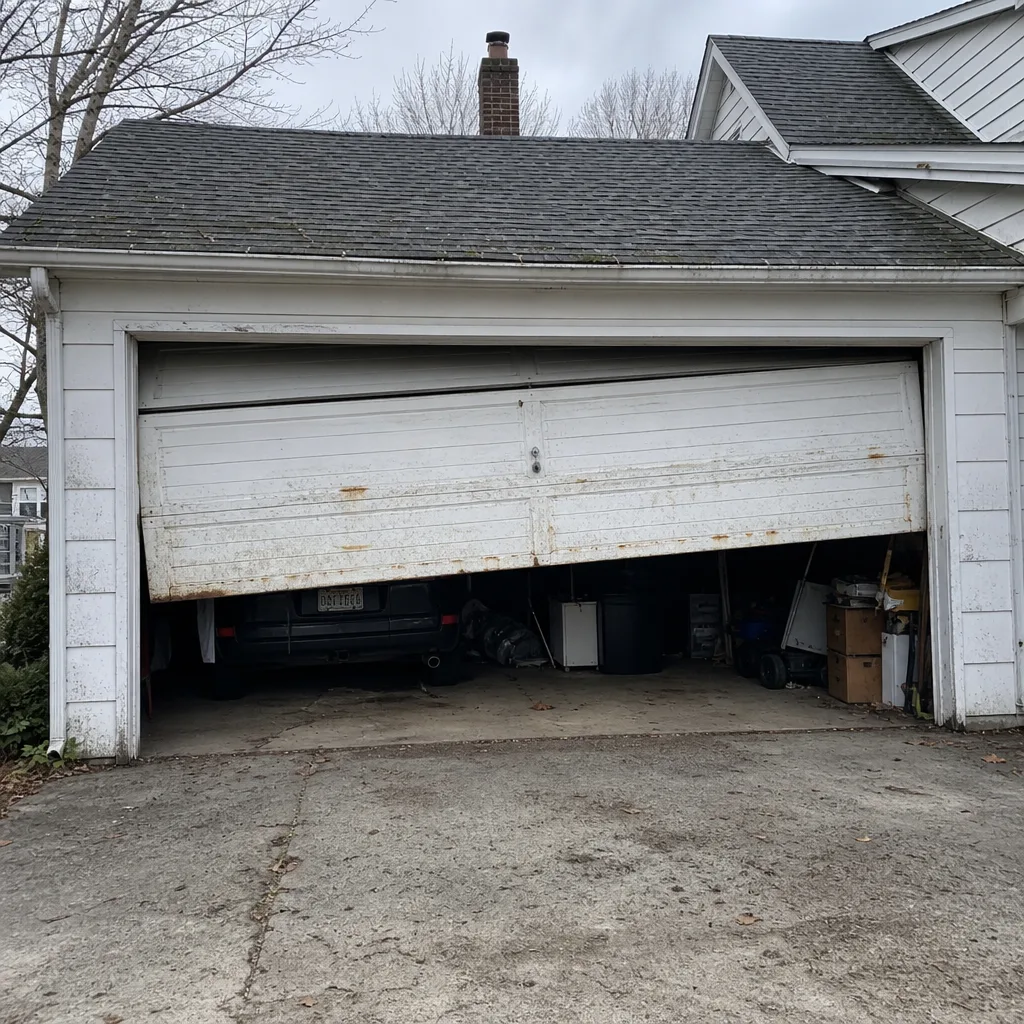 Before
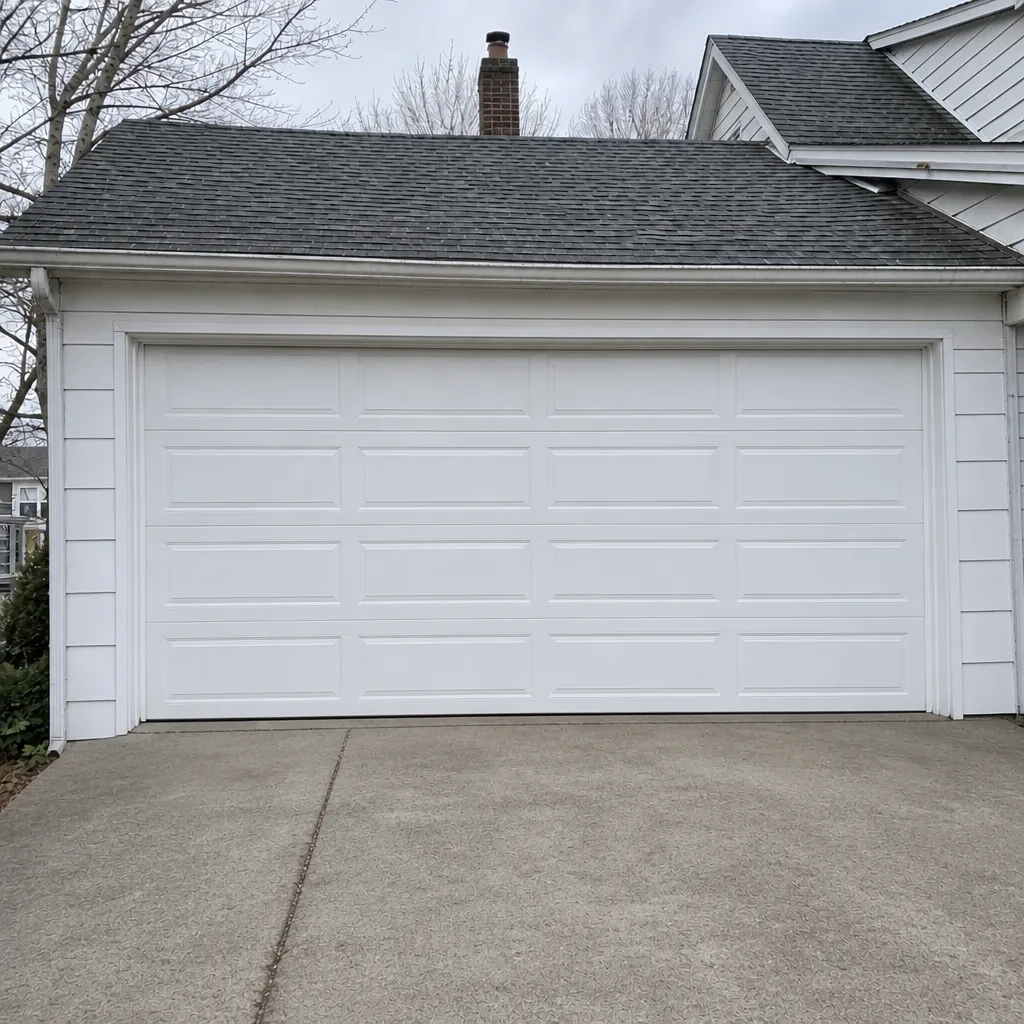 After
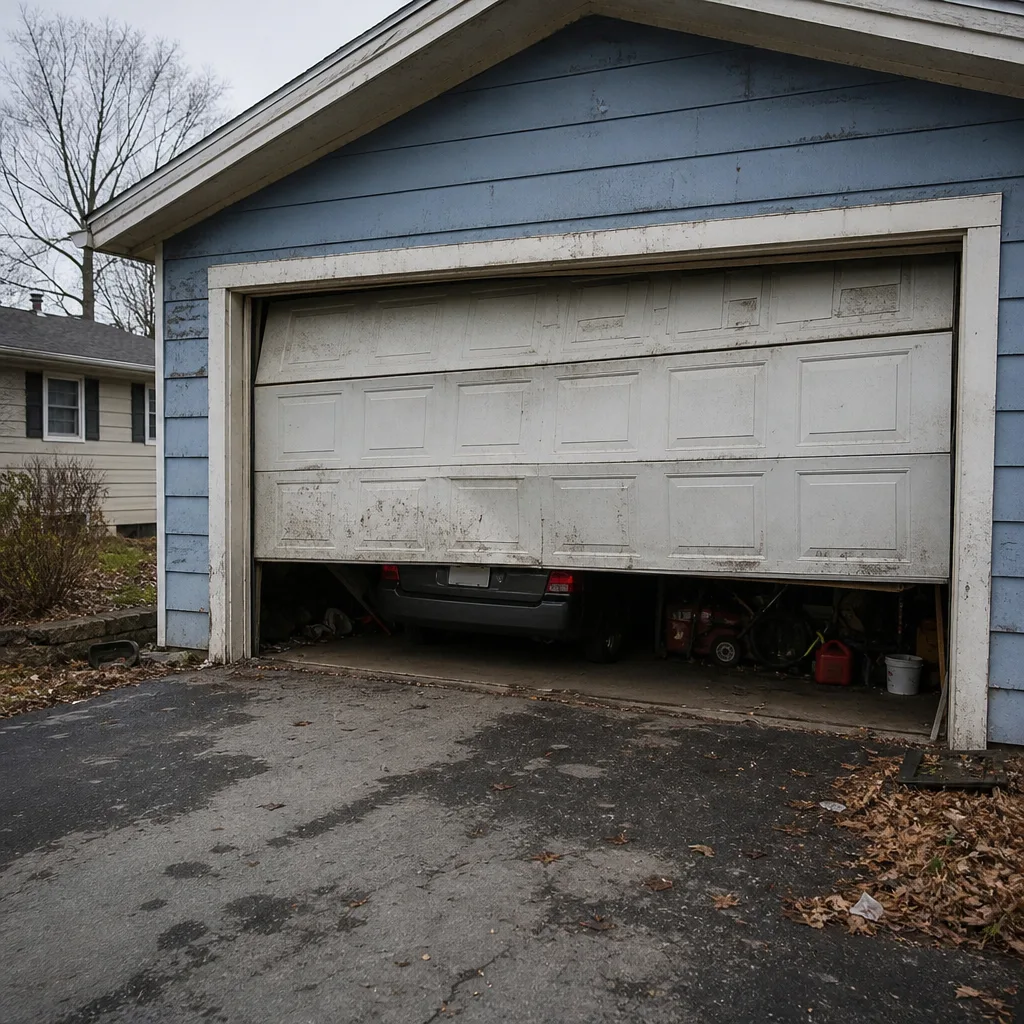 Before
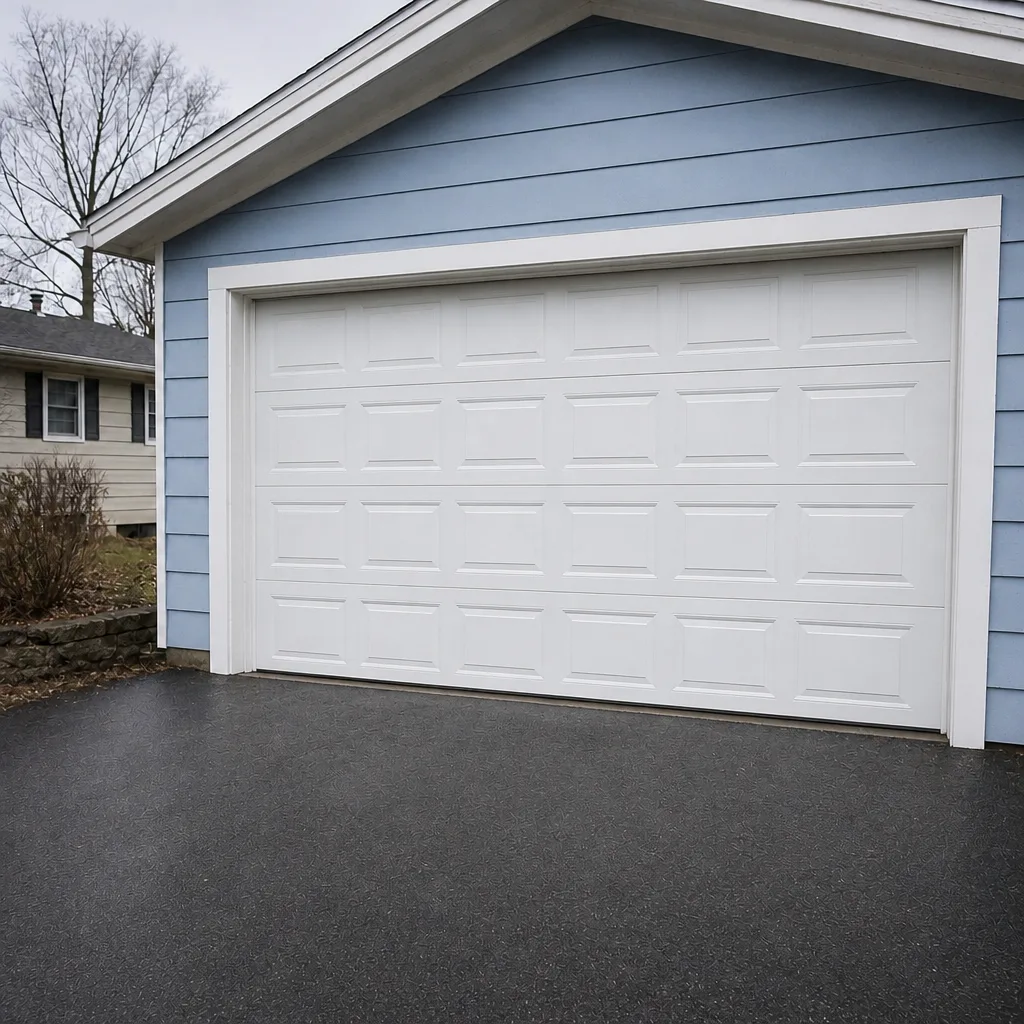 After
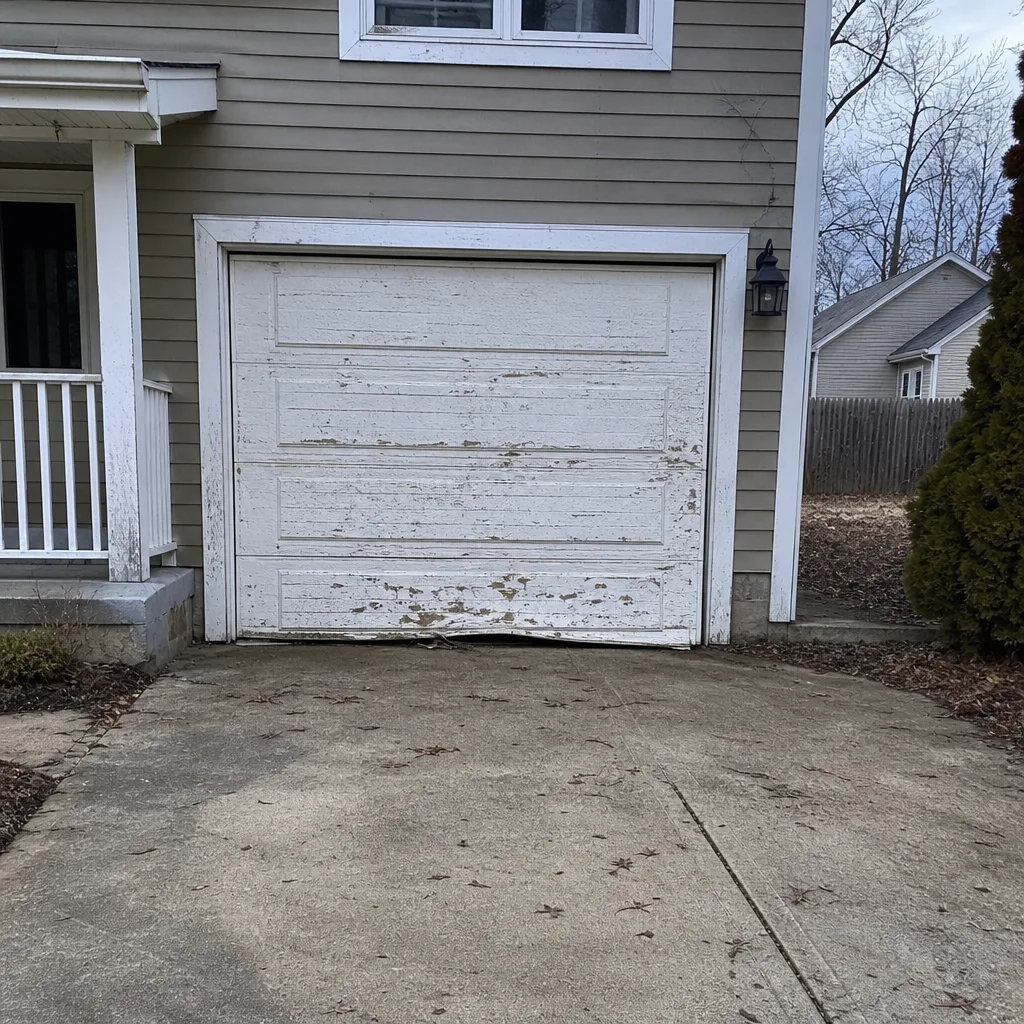 Before
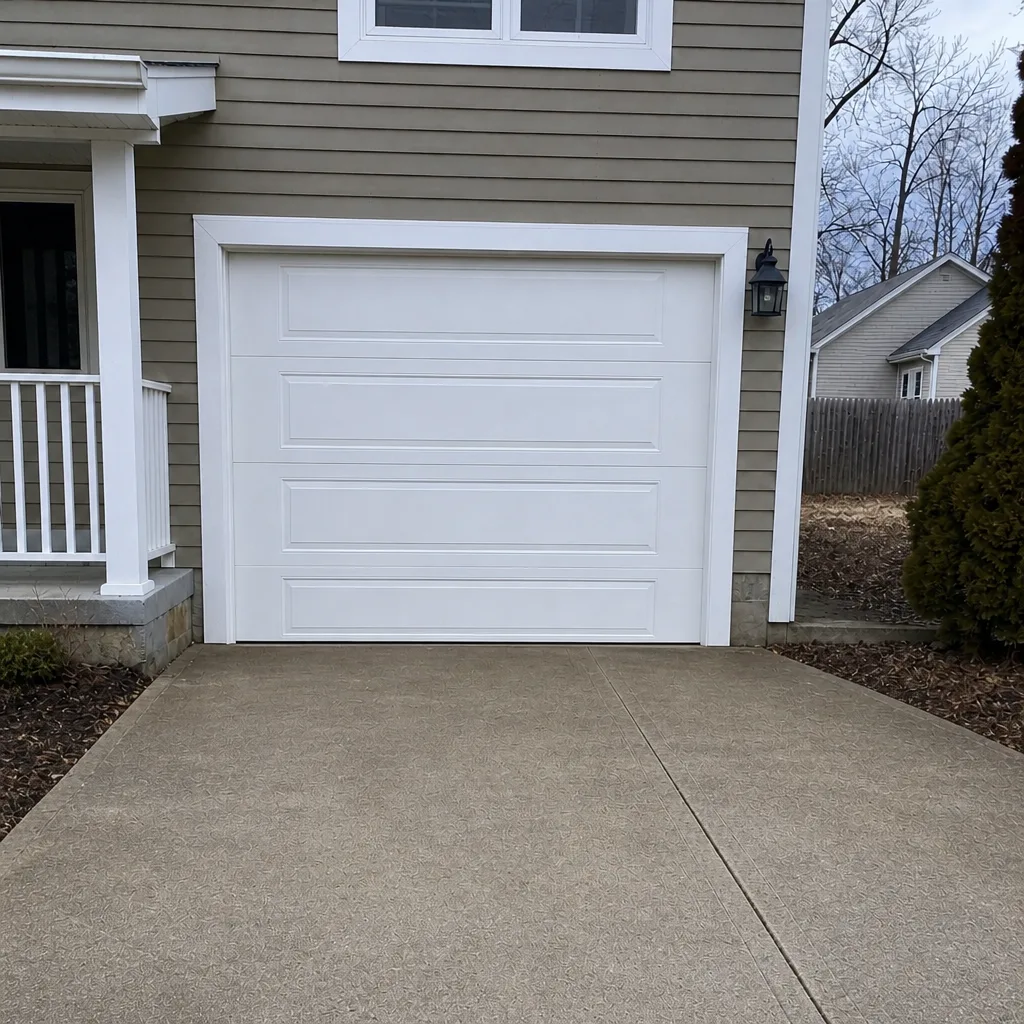 After