
Last updated November 22, 2026
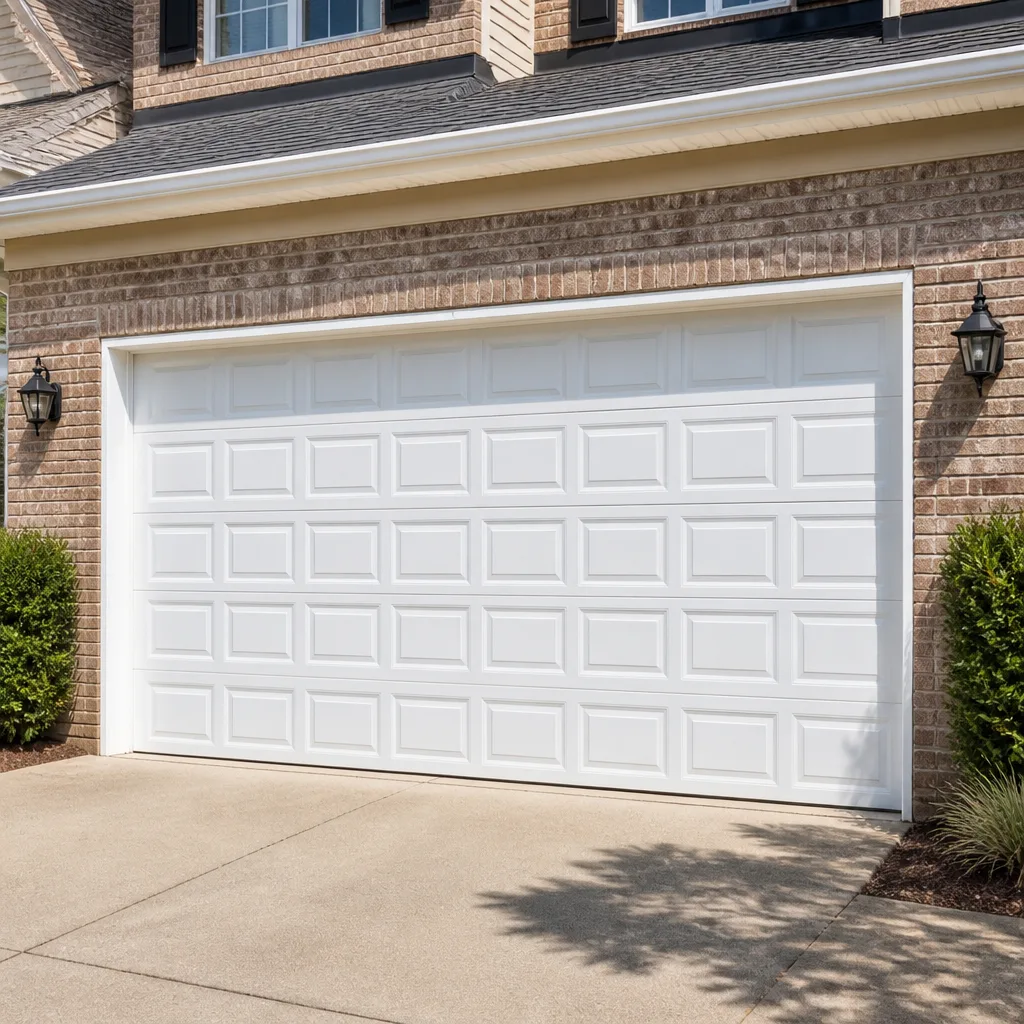 Raised-panel steel
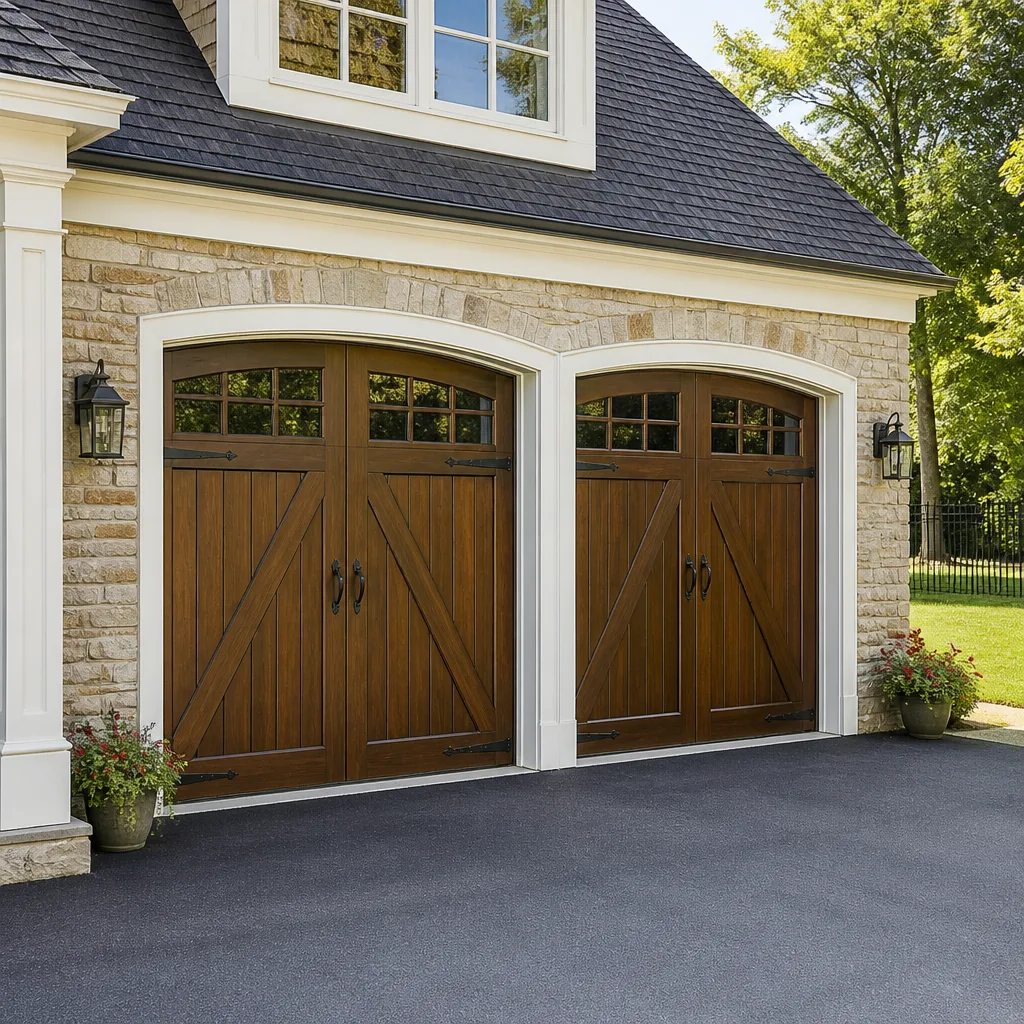 Carriage house
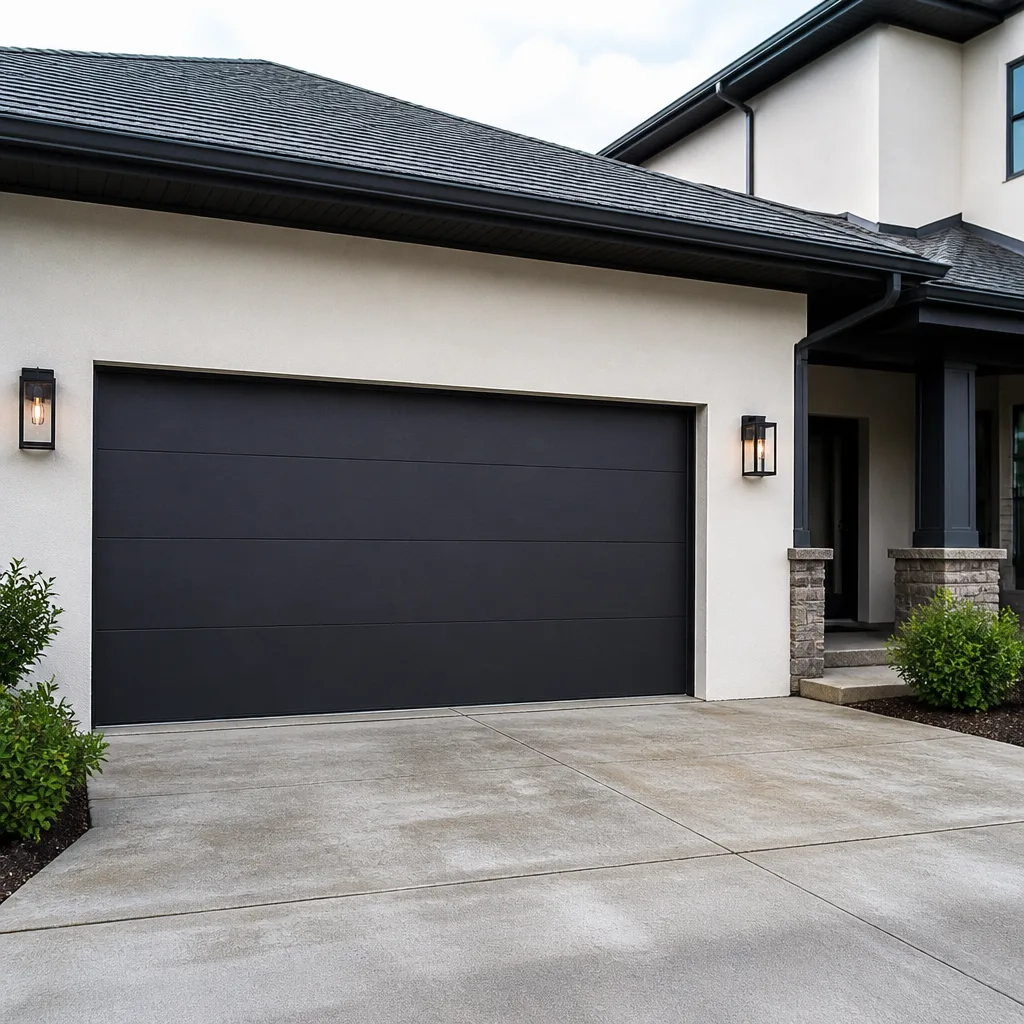 Modern flush
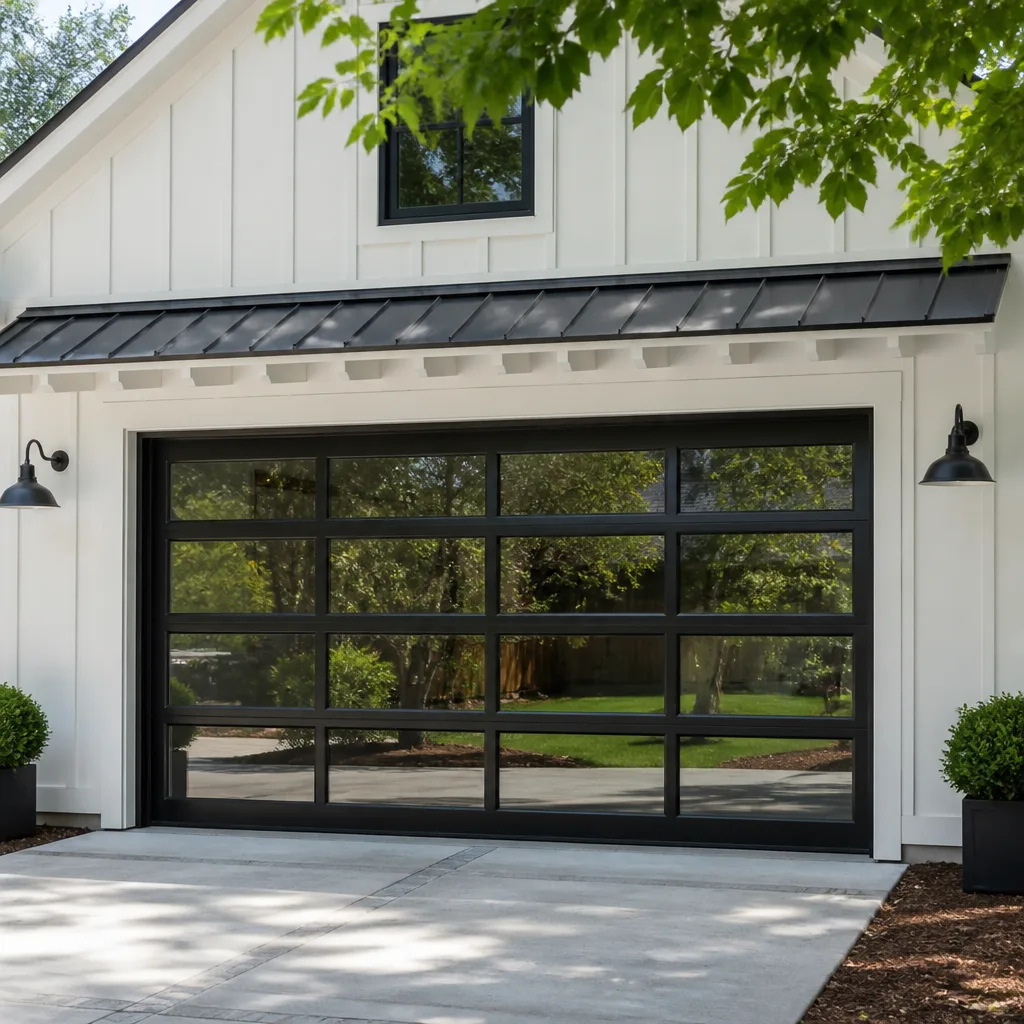 Full-view glass
 LiftMaster openers
 Chamberlain openers
Full 25-point door and opener safety check with every visit - springs, cables, rollers, tracks, and your LiftMaster or Chamberlain opener included
You get a price before we start. It does not change when the pro arrives.
Get your free estimateSeasonal Garage Door Care for Haverhill: Year-Round Homeowner’s Guide
Most homeowners treat a garage door like a refrigerator: it works until it doesn’t, and nobody thinks about it in between. That approach costs money in Haverhill, because a door here doesn’t face a neutral baseline. It faces a climate that attacks the hardware differently every season. Cold snaps stiffen springs and seal doors to their thresholds. Thaw cycles work moisture into wood and steel. Summer humidity changes how an opener reads its own limits. A maintenance plan that ignores the calendar leaves breakdowns on the table that a few hours of work would have prevented. This guide assigns specific tasks to specific months, based on what New England weather actually does to a garage door in Haverhill.
Quick Answer
The right way to care for a garage door in Haverhill is to work with the seasons, not against them: prep in October, protect in winter, inspect in spring, and adjust in summer. Fall is for lubrication, weatherstripping and balance checks, winter is for keeping the door unstuck and off the opener’s strain, spring is for inspecting what the freeze left behind, and summer is for watching expansion and humidity settings. Following a simple 12-month calendar prevents most emergency calls.
Styles & brands we work with
- Raised-panel steel
- Carriage house
- Modern flush
- Full-view glass
- LiftMaster openers
- Chamberlain openers
Table of Contents
- Why Haverhill Weather Is Hard on Garage Doors
- Fall Prep: The October Checklist That Carries You Through Winter
- Winter Protocols: Frozen Seals, Stiff Springs and Smart Habits
- Spring Recovery: What the Freeze Leaves Behind
- Summer Adjustments: Heat, Humidity and Opener Sensitivity
- Your 12-Month Garage Door Task Calendar
- Safety: What You Should Never Touch Yourself
- Frequently Asked Questions
Why Haverhill Weather Is Hard on Garage Doors
A garage door is one of the few pieces of your home that lives entirely outdoors and moves every day. In Haverhill, that means it works through a real temperature swing from year to year. Winter mornings can sit well below freezing. Summer afternoons push past 90 degrees. Add the damp stretches that come with the Merrimack Valley, plus the freeze-thaw cycle that hits pavement, thresholds and door seals, and you get hardware that’s constantly expanding, contracting and absorbing moisture.
That swing matters more than most people realize. Steel loses a bit of springiness in deep cold, which is why torsion and extension springs are more likely to fail in January than in July. Wood doors soak up humidity and swell in summer, then shrink in winter, which changes how the door sits in its frame. Rubber seals grow brittle with age and cold. Rollers pick up grit. Cables stretch, then contract. None of this is dramatic. It’s cumulative. The door that gets a little attention in October is a very different machine from the one that gets ignored from Columbus Day to Memorial Day.
Haverhill’s housing stock varies widely too. Older homes around Mount Washington and Riverside often have heavy wood doors on legacy hardware, while newer construction out toward Bradford tends to carry insulated steel doors with smart openers. Each type ages differently. A wood door in summer needs different attention than a steel door in winter, and a LiftMaster with battery backup behaves differently from a Chamberlain or Genie when the power goes out.
We’ve seen the full range in our work around Haverhill. The through-line is simple: doors that get seasonal attention last longer, close quietly and fail less. Doors that don’t, eventually fail at the worst possible time, often on a morning when you’re already late.
Fall Prep: The October Checklist That Carries You Through Winter
October is the single most important month on the calendar. What you do before the first hard freeze determines how the door behaves from December through March. Fall prep is not about fixing problems; it’s about preventing them. Here’s the checklist we walk through on any seasonal tune-up.
- Lubricate the moving parts. Apply a proper garage door lubricant (not WD-40) to hinges, rollers, and the torsion spring coils. Lubricant displaces moisture and helps the door operate smoothly as temperatures drop.
- Check the weatherstripping. Run a hand along the bottom seal and side seals. Look for cracks, flat spots or gaps. A worn bottom seal lets cold air in and can freeze to the floor in winter, which is exactly the condition you want to avoid.
- Test the door balance. Disconnect the opener and lift the door halfway by hand. It should stay put. If it drops or rises on its own, the springs are out of balance and should be checked by a technician before winter.
- Inspect cables and rollers. Look for fraying near the drums and flat spots on the rollers. Cables are under tension and should never be adjusted by a homeowner.
- Tighten the hardware. Nuts and bolts loosen over months of daily use. Use a wrench and snug the hinge plates, track brackets and roller stems.
- Test the safety reversal. Place an object under the closing door. It should reverse immediately. This matters more in winter, when ice and snow can interfere.
- Adjust opener limits if needed. If the door has to travel a little farther to close fully, the limit settings may need a small tweak for cold weather. This is a good time for garage door opener repair if you notice the door reversing without cause.
Doing these seven things in October means fewer surprises in January. Homes in Highlands and closer to the Merrimack tend to get more moisture in the air during fall, so pay close attention to the weatherstripping and the bottom seal. The extra humidity in Haverhill during October is what turns a small seal gap into a big one by December.
Winter Protocols: Frozen Seals, Stiff Springs and Smart Habits
Winter is when the phone rings in Haverhill. Snow, ice and cold push the door harder than any other season, and the parts most likely to complain are the springs, the seals and the opener. The goal of winter care is to reduce strain and stop problems from compounding.
Handle a frozen door gently
If the door is frozen to the ground or its seal, don’t force it. Disconnect the opener and lift manually only if the door moves freely. If it doesn’t, break the seal loose with warm water, a plastic scraper or a rubber mallet (never a metal tool). Yanking a frozen door can tear the bottom weatherstripping and can push the opener motor past its limit.
Don’t overwork the opener
Cold grease in the opener’s gearbox makes it work harder to move the door. If the door feels sluggish, the opener is fighting the door and both will wear faster. This is a common reason homeowners end up searching for garage door opener repair in January.
Watch the springs
Cold steel loses elasticity, and every extra pound of force needed to lift the door pushes the springs closer to their limit. If you hear a loud bang from the garage, the spring has likely broken. Do not operate the door. Call for garage door spring repair. A snapped torsion or extension spring is one of the few genuinely dangerous situations in this trade, and it should not be touched by anyone without training. Call (833) 508-9650 and we’ll walk you through what to do. We answer 24/7. Fast dispatch from 7am to 7pm.
Keep the tracks clear
Ice in the tracks will drag the rollers and stress the door. Sweep or clear tracks after a storm, but avoid forcing chunks out of a frozen track. A chip of ice is easy to remove; a bent track is a repair job.
What to check after a storm
- Is the bottom seal still sitting flush against the floor?
- Do the rollers move freely in the tracks?
- Does the door reverse on contact?
- Is the opener straining, stalling, or reversing without cause?
- Is there any visible gap around the door that didn’t exist before?
Spring Recovery: What the Freeze Leaves Behind
Once the ground thaws and temperatures climb, the garage door has been through the worst of it. Spring is when you check for damage that months of cold and moisture may have caused. In Haverhill, spring inspections often uncover problems the homeowner didn’t notice during winter because the symptoms were masked by the season.
Check cables and drums
Winter puts extra tension on the lift cables. Frayed strands, kinks or loose cables should be addressed immediately. A cable is under significant tension and can cause serious injury if it fails.
Inspect rollers and hinges
Cooling and warming cycles loosen hardware, and grit from winter road salt (which some homeowners track into the garage on boots) works its way into rollers. Worn rollers cause a rumbling door and shake the opener. Replacing them is normally quick, but ignoring them for another year can wear the tracks.
Look at the weatherstripping
The bottom seal and the frame seals take a beating over winter. Cracks and gaps mean water and pests get in, and the door no longer closes on a clean line. Replacement is straightforward and worth doing before the rainy spring weeks.
Test the opener’s travel and force
Cold can leave the opener’s force and limit settings out of tune. Spring is a good time to reset travel and observe how the door behaves. LiftMaster and Chamberlain units often have a self-diagnostic feature that flashes a code when something is off; the manual explains what each flash pattern means.
Wood door inspection
If you have a wood door, look closely at the bottom edges, joints and any soft spots. Winter moisture gets in and freezes, causing wood to split. Wood doors in older homes around Walnut Square and Riverside are especially prone to this. If you spot rot or splitting, this is a good time to plan repair or replacement before the humidity of summer makes the wood swell further. We can quote a garage door repair on the spot if you’re unsure what you’re looking at.
Summer Adjustments: Heat, Humidity and Opener Sensitivity
Summer isn’t the abuse season, but it’s when small problems hide behind good weather. Heat and humidity change how the door sits in its frame, and an opener that was tuned in fall can start to behave differently in July.
Wood doors swell
Humidity makes wood expand. A door that fit cleanly in March can start to bind in July, especially on a Clopay or Amarr wood door installed in an older Haverhill home. If the door is harder to lift or the opener is landing on its limits more often, that’s likely why. Don’t force it. Reduce friction and let a technician check the fit.
Steel doors expand too
Steel panels expand in intense heat and the door can get a little noisier. If the noise is new, check the hinges and lubricate them. Don’t assume it means the door is failing; often the sound is just expansion and wood framing moving with the heat.
Opener sensitivity and travel
Humidity slows down the door’s travel slightly, and the opener’s safety reversal can be triggered more easily. If a door reverses without contacting anything, the limit or force setting may need a small adjustment. Genie and LiftMaster openers both have adjustable force settings, covered in the manual. This is a routine adjustment, not a sign the opener is failing.
Cooling and ventilation
If your garage gets extremely hot, ventilation helps more than you’d expect. An insulated door helps a lot. If you’re considering a new door, this is the right time to talk about it. A cooler garage means less expansion through the whole system.
Check the photo-eye and safety sensors
Dust, cobwebs and debris at the bottom of the door can interfere with the safety sensors. Wipe the lenses and check that the indicators on each sensor are solid. Blinking lights usually mean misalignment. Small adjustments here prevent a lot of unnecessary service calls.
Your 12-Month Garage Door Task Calendar
This is the working version. Print it, stick it on the wall, and follow it. Each row tells you what to look at, when to do it, and what “good” looks like. If anything fails the test, that’s the moment to call.
January
- Lubricate the hinges and rollers.
- Test the door’s balance by hand with the opener disconnected.
- Listen for a change in sound. Cold is hard on springs; a new bang is worth a call.
February
- Clear snow and ice from the door’s path.
- Check the bottom seal for ice damage.
- Confirm the opener isn’t straining on cold mornings.
March
- Wipe down the tracks.
- Check cables for fraying (from a distance, never by hand).
- Inspect the safety reversal.
April
- Deep clean the weatherstripping and seals.
- Look for spring damage on wood doors (splitting, rot, soft spots).
- Test the opener’s travel and force settings in the warmer weather.
May
- Check and tighten the hardware.
- Inspect rollers for flat spots or noise.
- Confirm the door closes flush against the seal.
June
- Lubricate rollers and hinges.
- Clean safety sensors.
- Watch for wood door swelling in the humid stretch.
July
- Check that the door isn’t binding as wood and steel expand.
- Check the opener’s reversing behavior.
- Look at the appearance of the seals and frame.
August
- Test balance again.
- Check rollers for unusual noise.
- Watch for signs that the opener is near the end of its lifespan.
September
- Start prepping for fall.
- Deep clean tracks.
- Confirm all seals and weatherstripping.
October
- Full fall checklist (see above).
- Lubricate all moving parts.
- Balance test, hardware tightening, opener limits.
November
- Test the door in cold weather.
- Check the opener’s cold-weather performance.
- Confirm the seal sits cleanly on the threshold.
December
- Clear the door’s path of leaves, snow and debris.
- Confirm the opener reverses on contact.
- Call us if anything has changed since October.
Safety: What You Should Never Touch Yourself
Most garage door maintenance is safe and reasonable for a homeowner. A few parts are genuinely dangerous and should only be handled by a trained technician. We want to be clear about which is which.
- Torsion springs and extension springs. Both are under high tension and can cause serious injury. Never adjust, remove or attempt to replace them.
- Cables and drums. The lift cables are under significant tension. Frayed or slack cables are a hazard, not a repair project.
- Opener electrical wiring. Wiring the opener to your home’s electrical panel is a job for a licensed electrician or trained technician, not a homeowner with a YouTube video.
- Track alignment when the door is under tension. Tracks and brackets are held under the door’s weight. A mistake here can collapse the door.
If you’re not sure whether something is a DIY job, it isn’t. Call (833) 508-9650 and ask. We answer 24/7, and we’re happy to tell you whether a job needs a technician or can wait. Our technicians have up to 12 years of experience with the brands already sitting in Haverhill garages: LiftMaster, Chamberlain, Genie and Clopay among them.
See the difference
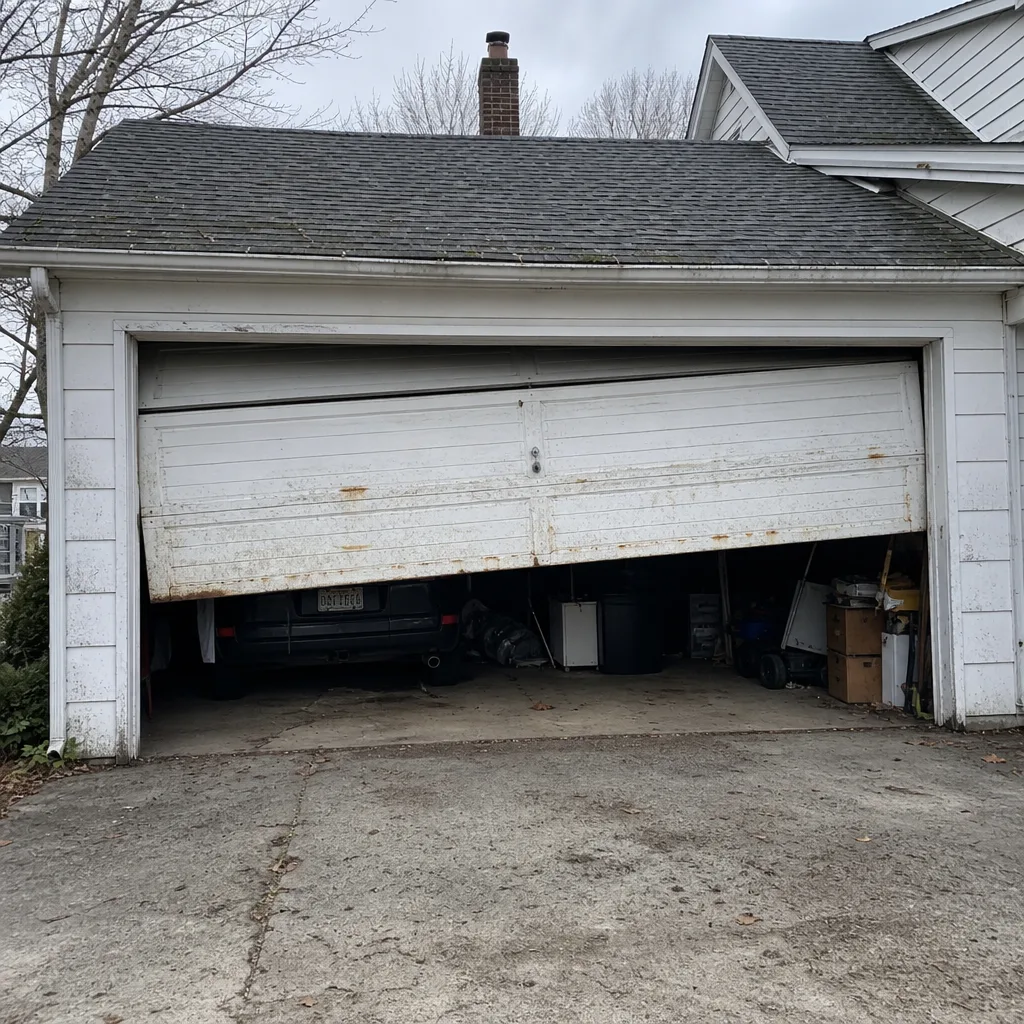 Before
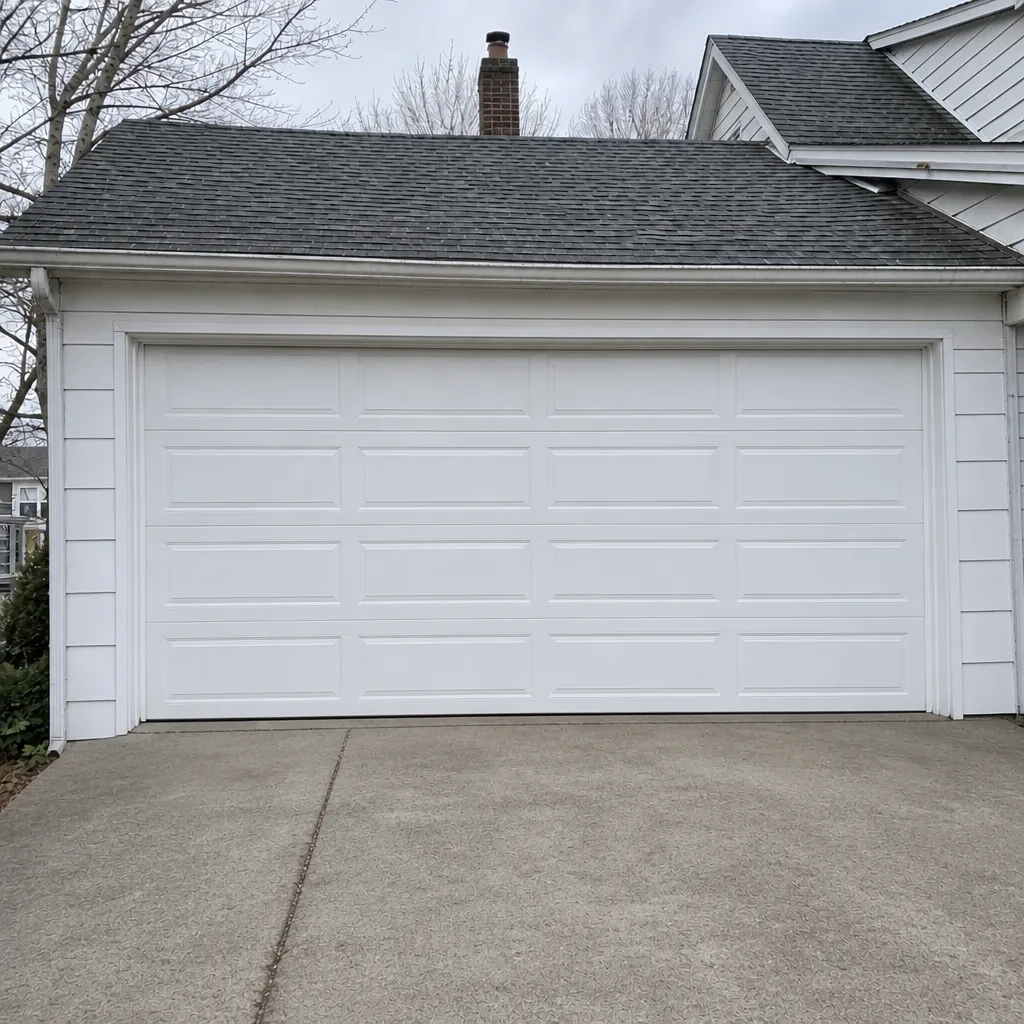 After
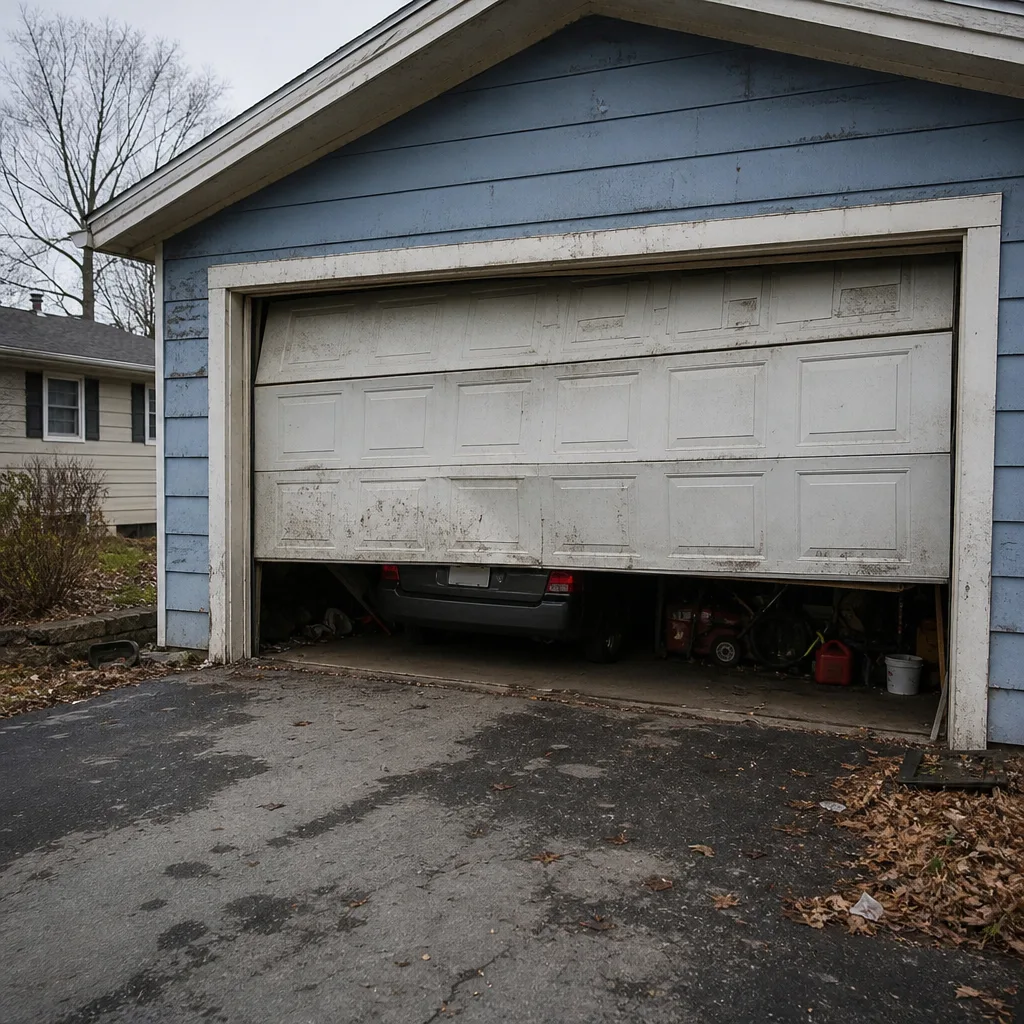 Before
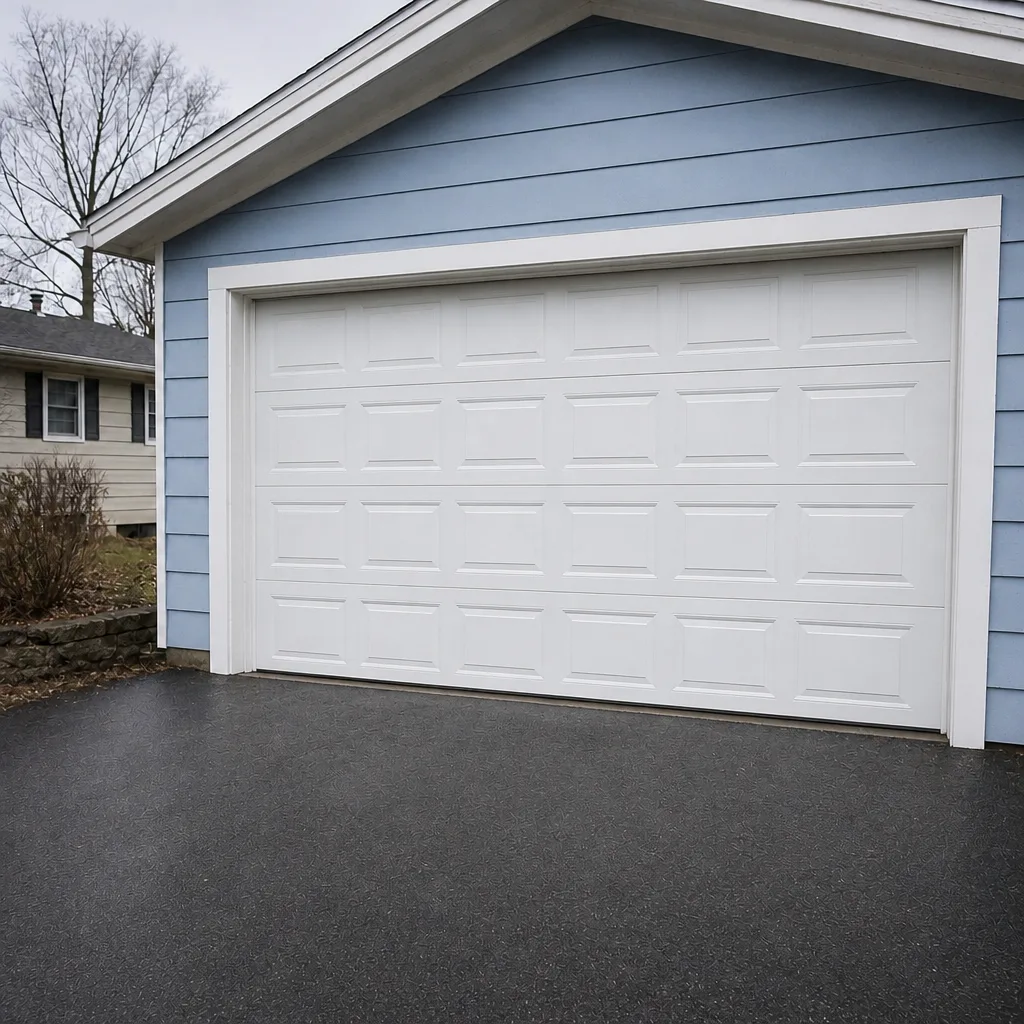 After
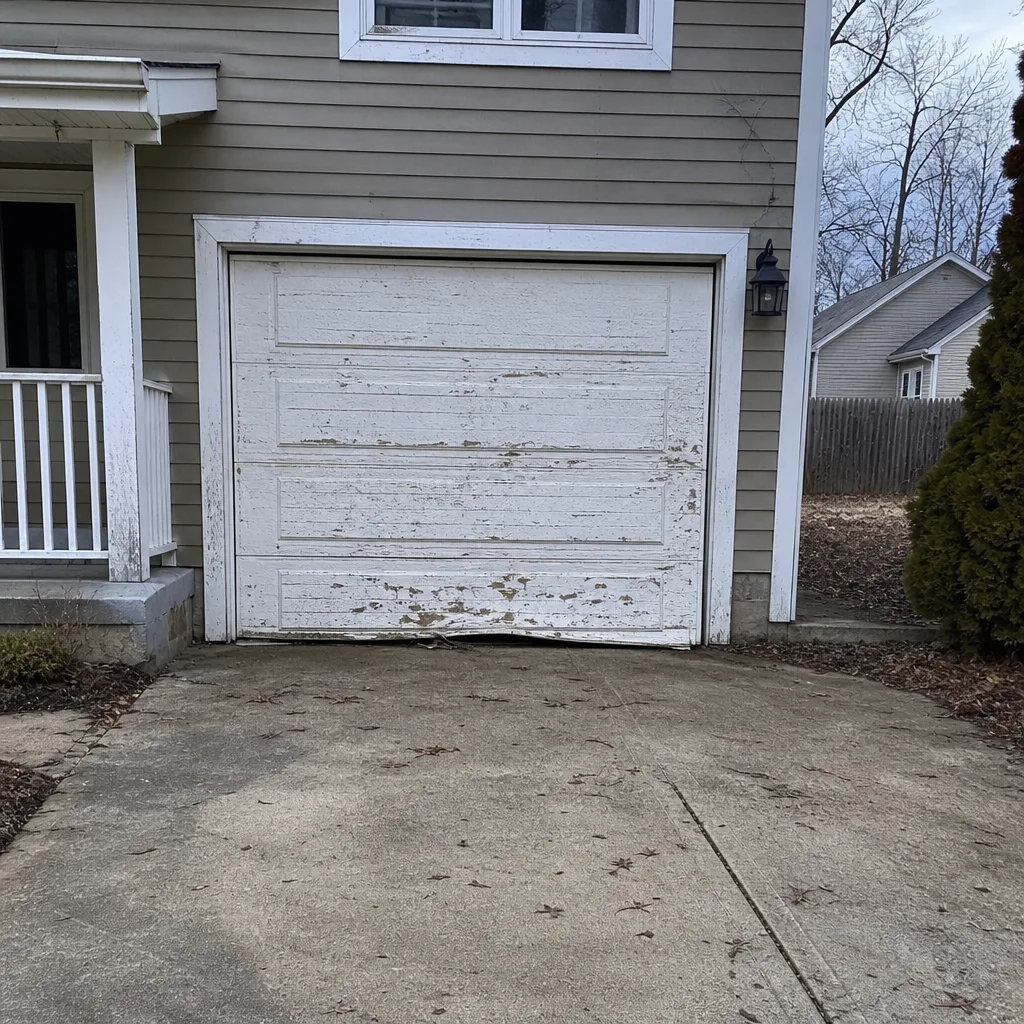 Before
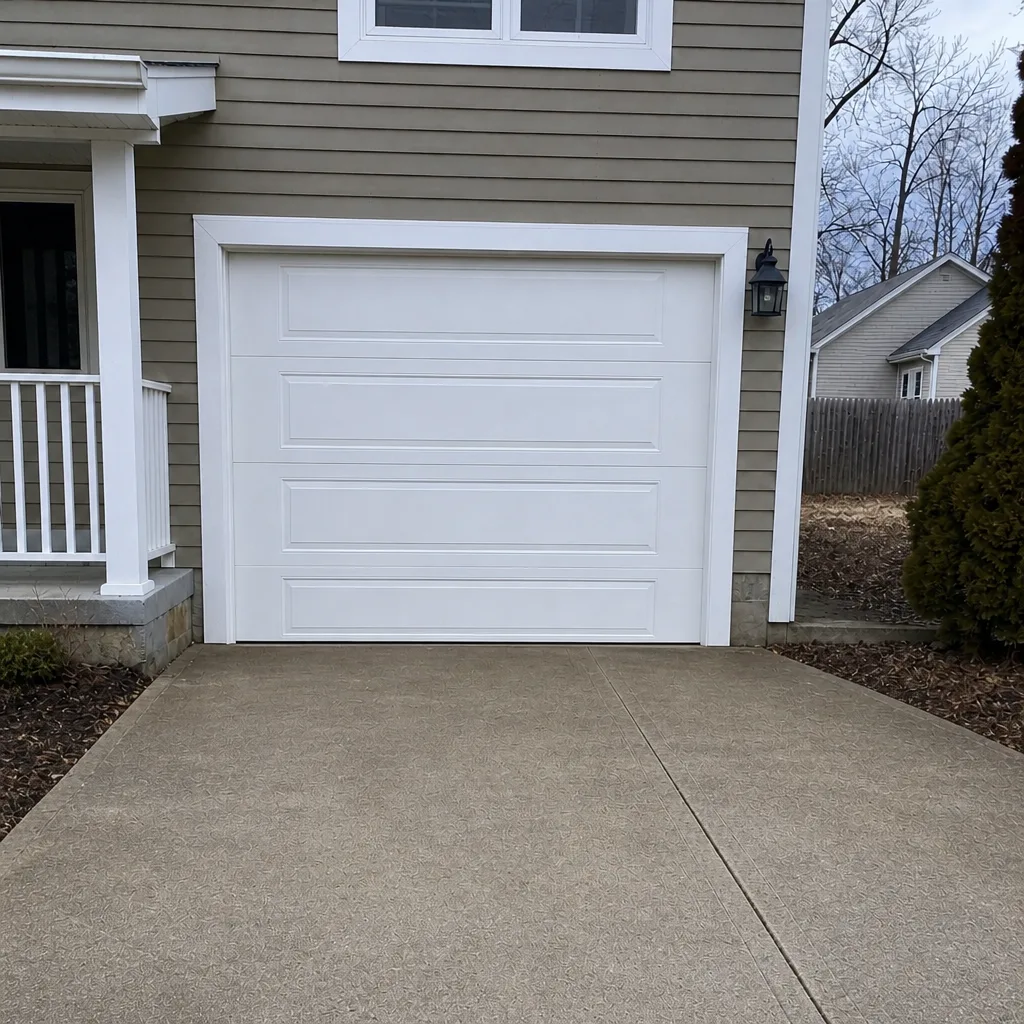 After
Common Mistakes to Avoid
- Using WD-40 as a lubricant. It’s a solvent, not a lubricant, and it strips away grease the door needs. Use a proper garage door lubricant on hinges, rollers and springs.
- Ignoring a door that reverses on its own. Reversal without contact usually means the limit or force setting is off. In Haverhill, that pattern often shows up in the first cold snap or the first humid week of summer. The fix is small, but only if it happens early.
- Forcing a frozen door. Yanking a door frozen to its seal can tear the bottom weatherstripping, bend the bottom panel and burn out the opener. Break the seal gently with warm water or a plastic scraper.
- Skipping the October checklist. Fall is where most winter problems are prevented. Skipping it means you’re gambling on a door that’s already been through one winter without maintenance.
- Trying to adjust springs. This is the most dangerous mistake on the list. High-tension springs are not a homeowner project and should never be touched.
- Replacing the opener before it’s diagnosed. If the door reverses, feels heavy or makes noise, the root cause is often the door, not the opener. Replace the opener and the door’s actual problem can still be there. A technician can tell the difference in minutes.
- Ignoring small noises. New sounds in a Haverhill garage tend to be warnings, not character. Rollers, hinges and cables announce their wear before they fail, but only to someone listening.
When to Call a Professional
Call a professional if any of these are true: the door won’t open or close evenly; the opener reverses without contact; there’s a new noise that wasn’t there before; the door is noticeably harder to lift than it was last season; the springs showed any sign of failure (a bang, a sag, or a door that won’t lift); or you’re not sure whether a part is safe to touch.
Our technicians work on the brands already in your garage, including LiftMaster, Chamberlain, Genie and Clopay, and we handle the full range of jobs: seasonal tune-ups, opener diagnostics and repair, spring repair, and full installation when a door has reached the end of its life. Haverhill Garage Door Repair Co offers free estimates in Haverhill. Call (833) 508-9650. We answer 24/7. Fast dispatch from 7am to 7pm, Sunday through Friday. For a broader look at what we cover, see the main Haverhill Garage Door Repair Co page.
Frequently Asked Questions
Once a year is the baseline for most homes in Haverhill, timed for fall before the first hard freeze. Doors that see heavy use, or doors on older wood setups, benefit from a second tune-up in spring. Following the 12-month calendar in this guide covers the main checkpoints without needing to memorize anything.
Cold steel loses elasticity, so the spring has less give when the door is lifted. Combined with a seal sticking to a frozen floor and extra force needed to move the door, the spring works harder than in any other season. That’s why most spring failures in Haverhill happen between December and February.
No. A door with a broken spring should not be operated. It can come down unexpectedly and cause serious injury. Call (833) 508-9650. We answer 24/7 and can help you get it handled safely.
Don’t force it. Disconnect the opener and, if the door lifts freely, gently break the seal with warm water or a plastic scraper. If it doesn’t move, call for service. Yanking a frozen door can tear the weatherstripping, bend the bottom panel and stress the opener motor.
Yes, but mostly through humidity rather than the heat itself. Wood doors swell in humid stretches, and steel doors expand and get noisier. If you notice the door binding or the opener reversing without cause in July or August, that’s the seasonal shift, and the fix is usually a small adjustment.
A seasonal tune-up is a service call priced per job by a written estimate. We don’t publish a flat rate because the work varies by door type, brand and what the technician finds. The estimate is free and the price is agreed before any work begins. Call (833) 508-9650 for an exact quote, or to schedule a garage door repair if something has already failed.
The Bottom Line
The garage door in a Haverhill home works harder than most homeowners realize, and the seasons hit it in different ways. Fall prep, winter care, spring inspection and summer adjustment are the four checkpoints that keep the door reliable all year. The single most valuable move is getting the October checklist done before the first hard freeze: lubricate, tighten, test the balance and the safety reversal, and fix the weatherstripping. That one afternoon prevents most of what goes wrong between December and March. If anything in this guide is beyond a homeowner’s safe reach, especially anything touching the springs or cables, call (833) 508-9650 and let a technician handle it. The estimate is free, and the diagnosis is quick.
Written by the team at Haverhill Garage Door Repair Co.