
Last updated November 22, 2026
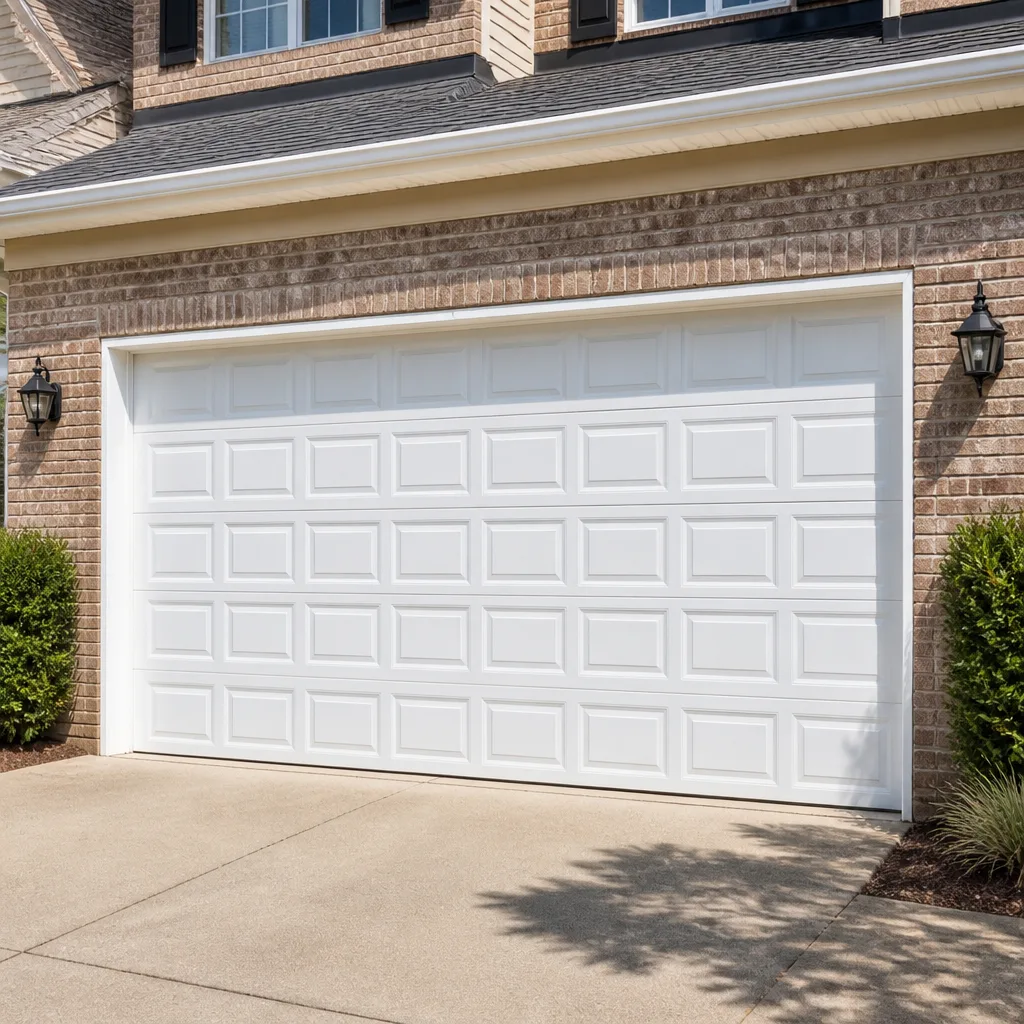 Raised-panel steel
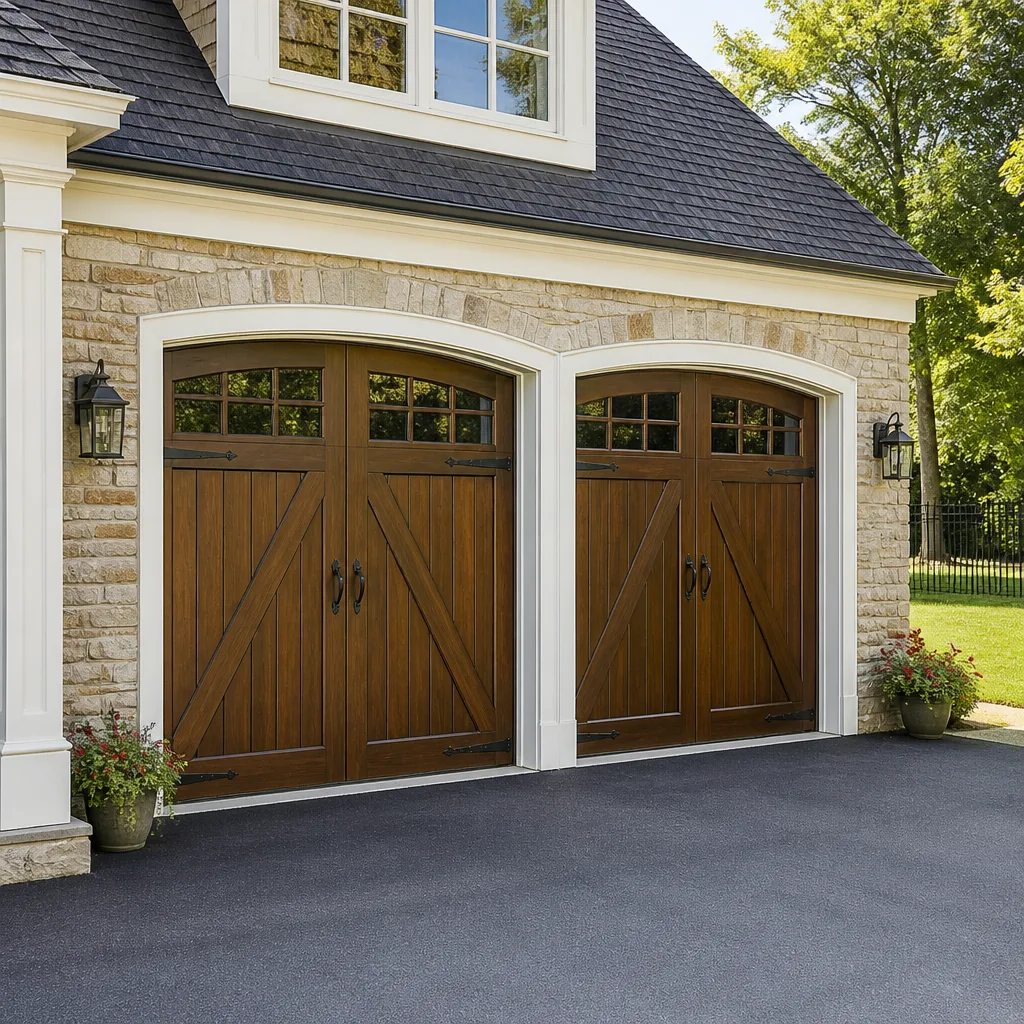 Carriage house
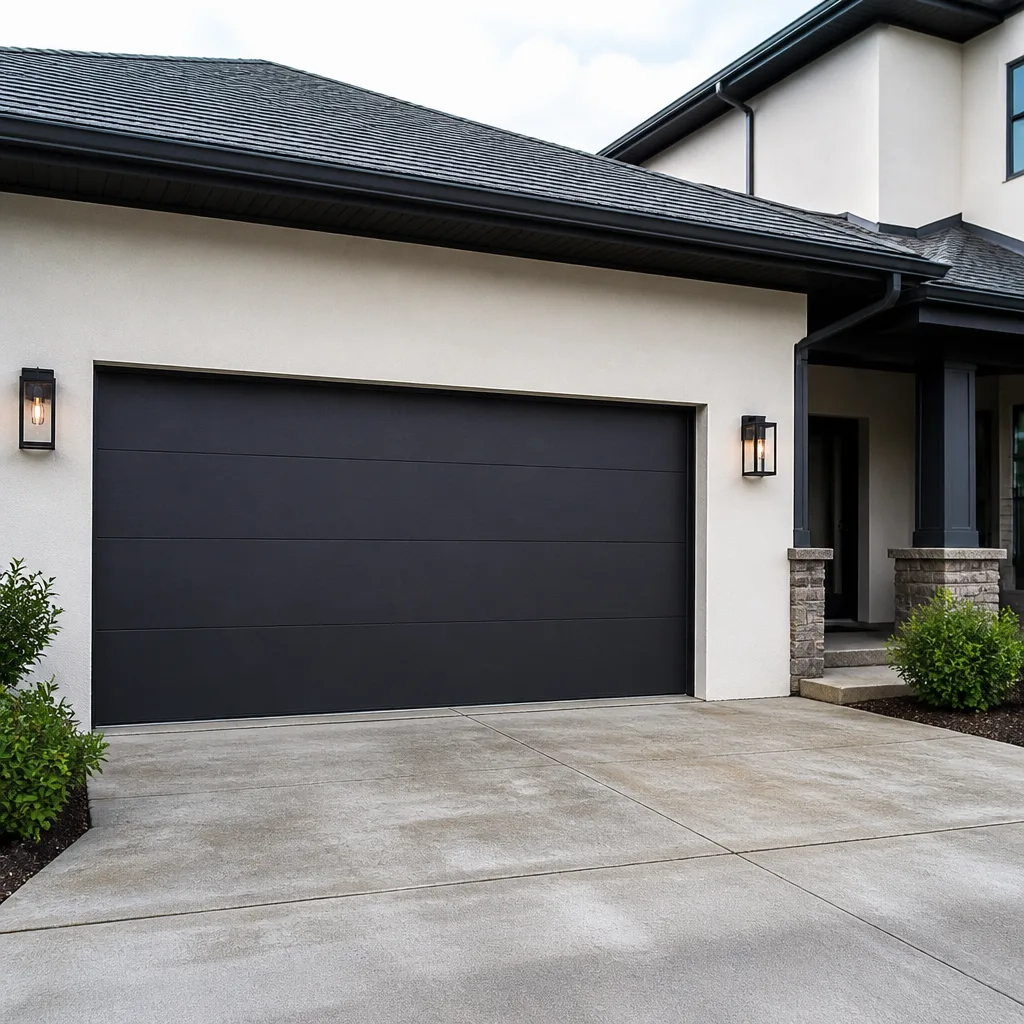 Modern flush
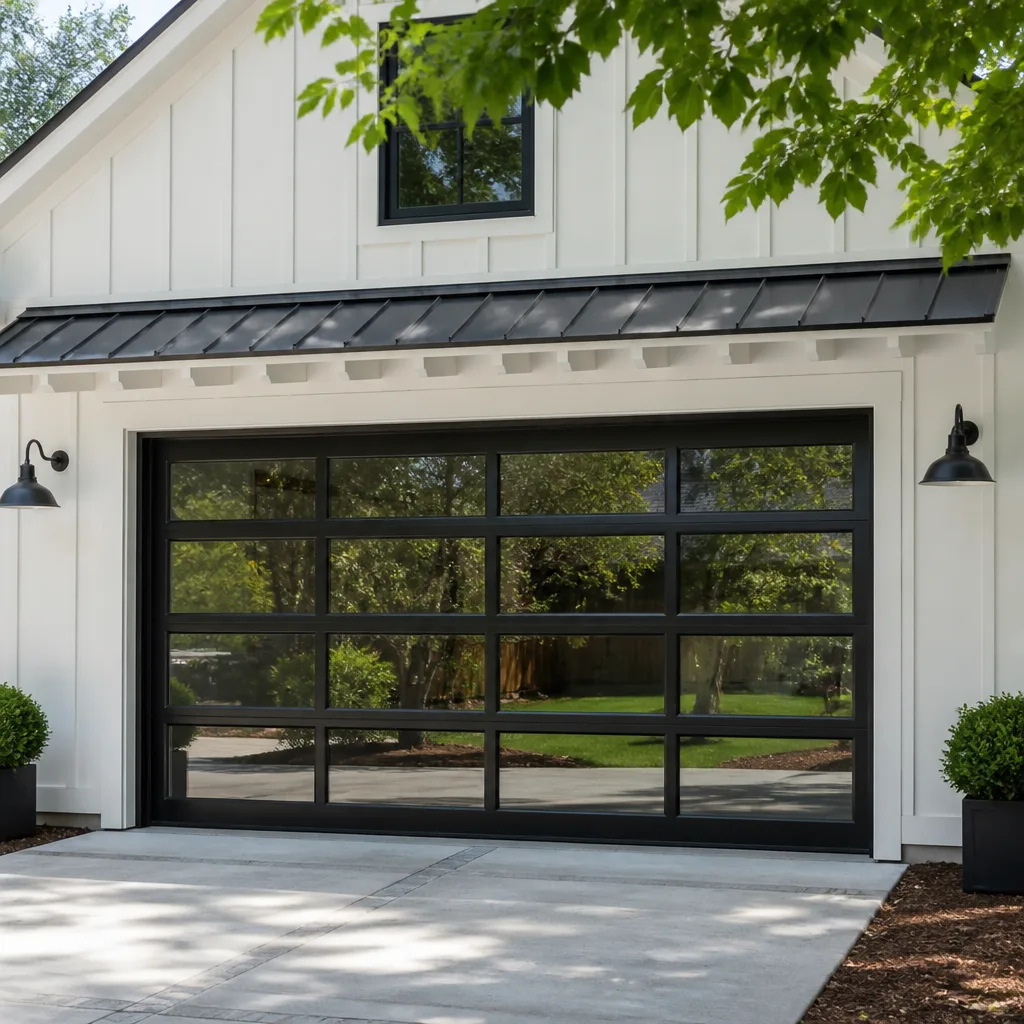 Full-view glass
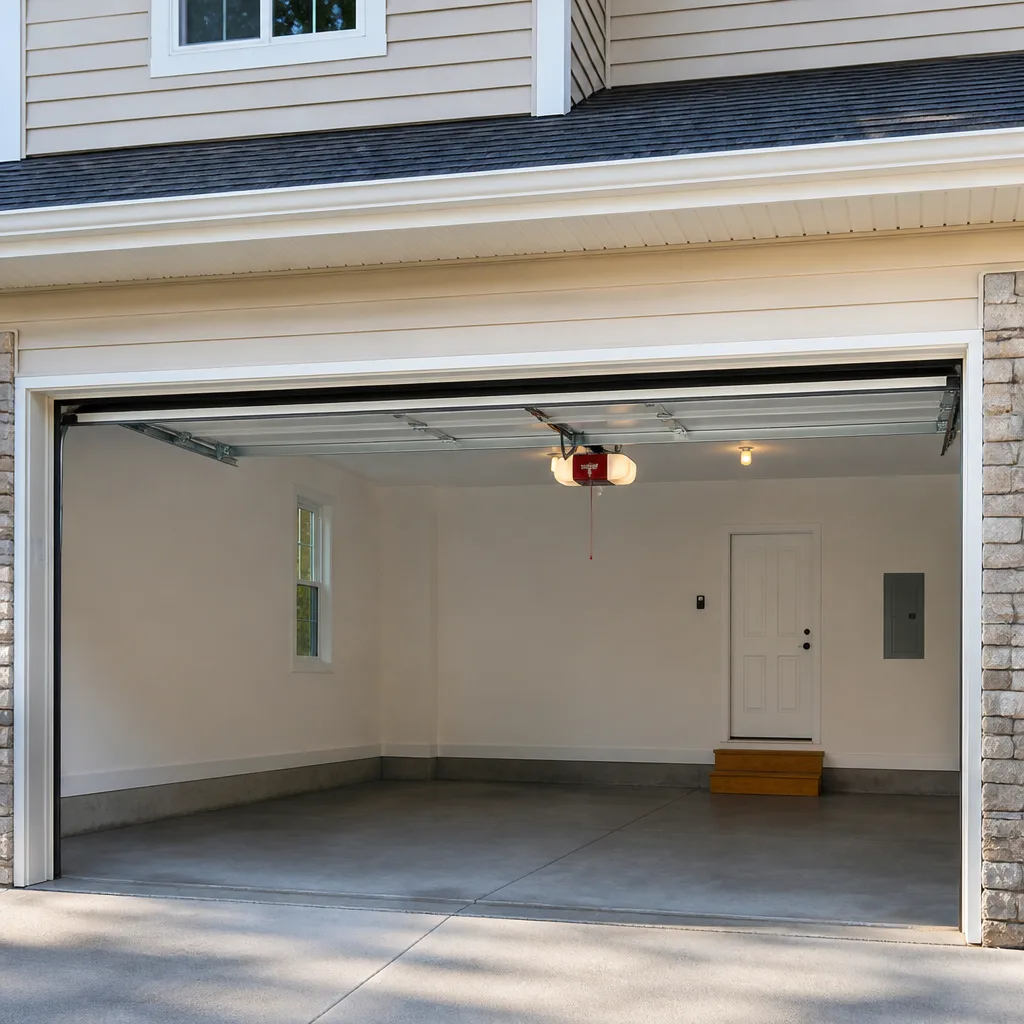 LiftMaster openers
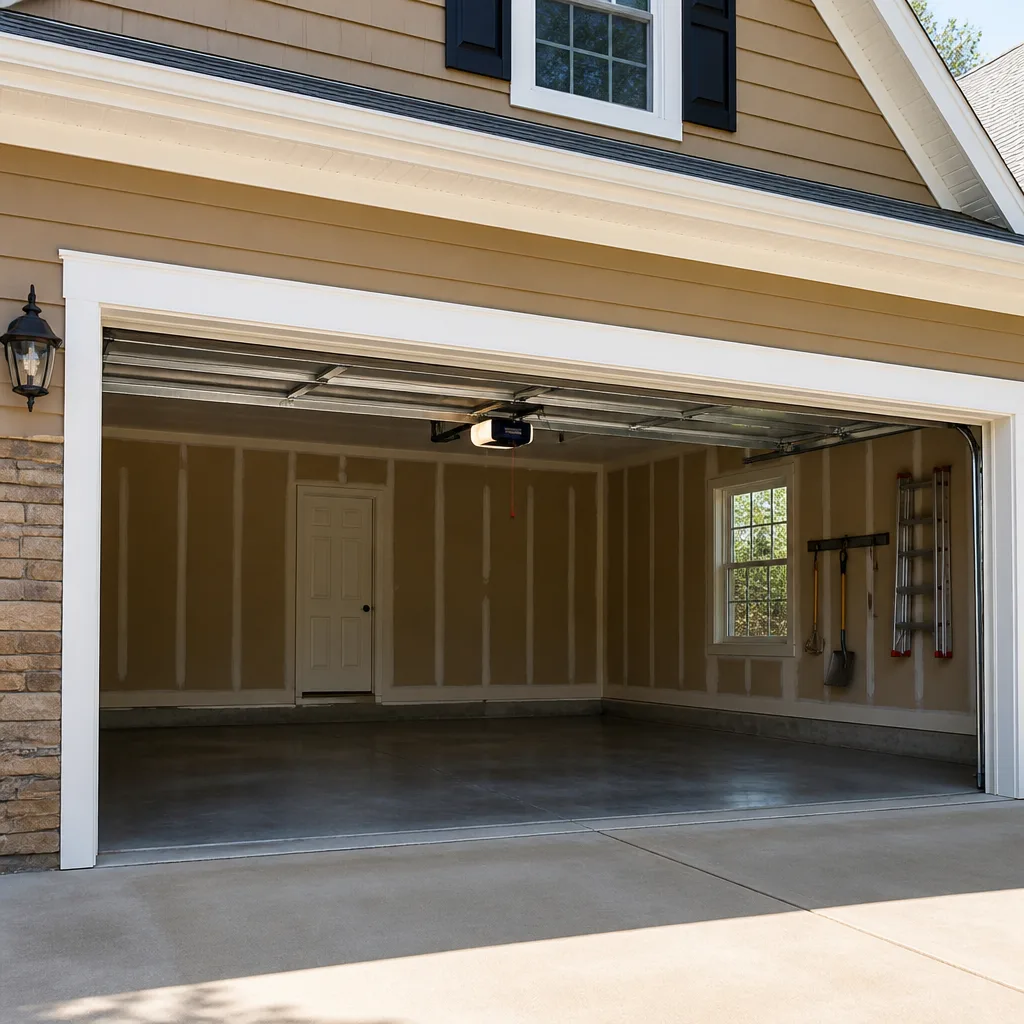 Chamberlain openers
Full 25-point door and opener safety check with every visit - springs, cables, rollers, tracks, and your LiftMaster or Chamberlain opener included
You get a price before we start. It does not change when the pro arrives.
Get your free estimateThe Complete Guide to Garage Doors in Haverhill
Most homeowners treat the garage door like a minor appliance. It isn’t. It’s the largest moving assembly in the house, and it runs thousands of mechanical cycles a year, more than the furnace, the water heater, and the dishwasher combined. Spend a decade ignoring that and the bill arrives all at once, usually on the coldest morning of the year. This guide maps every decision a Haverhill homeowner will face with their garage door, from the first odd noise to a full replacement: how our freeze-thaw cycle wears parts, how long each component really lasts, what repair versus replacement costs, and how to tell a job that needs a specialist from one a handyman can handle.
Quick Answer
A garage door in Haverhill usually lasts 15 to 30 years for the door itself, 7 to 12 years for torsion springs, and 8 to 15 years for a quality opener, with New England’s freeze-thaw cycle pulling those numbers toward the shorter end. Repair is the right call when the door structure is sound and the fix stays under roughly half the cost of a new door; replacement makes more financial sense once you’re facing repeat repairs, panel damage, or a door that no longer seals against the cold. Call (833) 508-9650 for a free estimate, and we’ll give you a written price before any work starts.
Styles & brands we work with
- Raised-panel steel
- Carriage house
- Modern flush
- Full-view glass
- LiftMaster openers
- Chamberlain openers
Table of Contents
- Why Your Garage Door Is the Largest Moving Part of Your Home
- How Haverhill’s Freeze-Thaw Cycle Wears Out Your Garage Door
- How Long Do Garage Door Parts Actually Last?
- The Brand Landscape in Haverhill Homes
- Repair or Replace? A Dollar-Threshold Rule of Thumb
- Springs: The Part You Should Never Touch
- Openers: Repair Before You Replace
- Specialist vs. Generalist: Why It Matters Long-Term
Why Your Garage Door Is the Largest Moving Part of Your Home
A two-car garage door weighs somewhere between 130 and 350 pounds depending on material and insulation, and it travels up and down on tracks, cables, rollers, and springs that all have to work in sync. When one part drifts out of tolerance, the stress transfers to everything else. That’s why a cheap fix on a worn roller can lead to cable damage three months later. It’s a system, not a slab on hinges.
Homeowners tend to notice their door only when it makes a noise or stops working. That reactive habit is understandable, but it’s also the reason so many calls come in as emergencies. A door that’s been grinding along a dry track for a year doesn’t usually fail gently. It fails when you’re backing out to work.
Here’s what that system actually includes:
- Torsion or extension springs: counterbalance the door’s weight so a person (or a motor) can move it.
- Cables and drums: transfer spring tension to the door itself.
- Rollers and hinges: guide the door along its track and articulate the panels.
- Bottom seal and weatherstripping: keep cold air, water, and pests out.
- Opener and its safety sensors: the motor and the sensors that stop the door if something is in the way.
Each of those parts wears on its own schedule. The trick to avoiding a four-figure surprise is knowing which one is likely to go next. A quick annual inspection of the whole system, done by someone who sees these parts every week, catches most failures before they strand you. Haverhill winters don’t offer much grace once something gives.
How Haverhill’s Freeze-Thaw Cycle Wears Out Your Garage Door
This is the part that separates a Haverhill garage door guide from a generic one. Massachusetts sits in a climate with wide temperature swings and a spring thaw that repeats every year. Water gets into seams, freezes overnight, expands, and then melts the next afternoon. That cycle runs dozens of times each winter, and it’s brutal on specific components.
Springs. Cold metal becomes brittle. A torsion spring that’s been slowly losing tension all fall is more likely to snap on a sub-freezing morning than in July, because the steel is less able to flex. We see a clear seasonal spike in spring failures from late December through March.
Cables. Moisture works its way between the strands and into the drum. Once corrosion sets in, a cable loses strength unevenly and can fray or snap without warning. Salt from road spray on the car doesn’t help either, since the door and tracks sit right at the mouth of the garage.
Bottom seals and weatherstripping. The rubber seal along the bottom of the door takes the worst of it. Freeze-thaw cracks it, and a cracked seal lets meltwater run under the door and refreeze against it, sometimes bonding the door to the slab overnight.
Tracks and hardware. Ground heaving under the driveway can shift a track slightly out of plumb. Bolts loosen. Rollers stiffen in the cold. None of it is dramatic until the door starts binding.
A door that’s adjusted properly in the fall handles winter far better than one that’s been left alone. If your door is already struggling, garage door repair before the hard freeze saves both money and a January emergency.
How Long Do Garage Door Parts Actually Last?
Component lifespan isn’t a single number. It depends on cycles, maintenance, and local climate. Here are realistic ranges for a typical Haverhill home, along with what shortens them.
- Torsion springs: 7 to 12 years, with some lasting 15,000 to 20,000 cycles. Freeze-thaw cycling, a door that’s out of balance, and never lubricating the springs all push toward the shorter end.
- Extension springs: 7 to 10 years. These stretch along the sides of the door and fail more violently than torsion springs, which is why safety cables matter.
- Cables: 8 to 15 years. Corrosion and a misaligned drum shorten that considerably.
- Rollers: 5 to 10 years. Nylon rollers last longer than steel, which rusts in a New England garage.
- Bottom seal: 3 to 7 years. This is the fastest-wearing piece on the whole door in our climate.
- Opener motor: 8 to 15 years for a quality unit. Chain drives generally outlast belt drives, but belts run quieter.
- Door panels and structure: 15 to 30 years, depending on material and how well the door has been maintained.
The number that matters most is cycles, not years. A door that gets used 1,500 times a year wears faster than one used 600 times a year, even if the calendar says the same thing. Ask yourself honestly how often your door runs, then plan accordingly.
The Brand Landscape in Haverhill Homes
Haverhill’s housing stock spans a century or more, from older homes near the downtown core to post-war construction and newer subdivisions. That mix means the garage doors here fall into two broad camps, and knowing which camp your door belongs to changes how quickly it can be fixed.
The older doors in the city are often Wayne Dalton or Raynor units, sometimes original to a 1970s or 1980s build. Parts for these are still widely available, but the specific drum, cable, or roller configuration can differ enough that a generic kit won’t fit properly. A technician who’s worked on that brand routinely knows the difference in five minutes; someone unfamiliar with it spends the appointment guessing.
Newer homes tend toward LiftMaster and Chamberlain openers paired with Clopay or Amarr doors. These are the most common systems in residential use, and that’s good news for parts availability. Opener repair on a LiftMaster or Chamberlain unit is a matter of matching the right logic board or gear assembly, not rebuilding something from scratch.
Why does this matter to you? Because brand fluency saves time and prevents the classic “I’ll order the part and come back” two-visit scenario. When the technician already knows the tolerances on your Craftsman opener, the job gets done in one trip. If you’re not sure what brand you have, the label is usually inside the opener housing or on the door itself.
Repair or Replace? A Dollar-Threshold Rule of Thumb
Here’s a simple rule that holds up in most Haverhill homes: if a single repair costs less than half the price of a new door, repair it. If you’re looking at repeat repairs that add up to more than half the cost of a new door within a year or two, replacement is the smarter spend.
A new single-car garage door installed typically runs $800 to $1,800 depending on material and insulation, and a double-car door from $1,200 to $2,800. Those are estimates only; the written quote sets the final price. With those numbers in mind:
- Repair makes sense when: the door panels are structurally sound, the door is out of balance but not damaged, a spring or cable has failed but the rest of the system is healthy, or the opener needs a single part.
- Repair is borderline when: the door is older and you’re facing two or three repairs in a single year, or the springs and cables are both due at the same time.
- Replacement makes sense when: the door has panel damage that can’t be matched, the opener is failing for the second time, or the door no longer seals against the cold and you’re heating the garage by accident.
The important thing is that you get a clear picture of both paths before committing. Prices for garage door spring repair sit well below half the price of a new door, which is why most spring failures get repaired rather than triggering a replacement. A full opener replacement sits closer to the replacement threshold, so it’s worth asking whether the opener is truly at the end of its life or just needs a repair. Free estimates help here. Call (833) 508-9650 and we’ll walk you through the numbers for your door.
Springs: The Part You Should Never Touch
High-tension springs store enough energy to do real damage, and they’re one of the few parts of a garage door we’d tell any homeowner to leave alone. Torsion springs are wound under tension that would break bone or worse if released unexpectedly. Extension springs can fly off their tracks and cause injury if the safety cable isn’t installed properly. This is not a DIY job. It’s a trained-professional job.
What you can do is know the signs of a failing spring:
- The door feels suddenly much heavier when you lift it by hand (with the opener disconnected).
- You hear a loud bang from the garage and the door won’t raise.
- The door opens partway and stops.
- You see a visible gap in the torsion spring coil, or the extension spring is stretched out.
If any of those apply, don’t run the opener. The motor will strain against a door it can’t lift and can burn out, which turns a spring repair into a spring plus opener job. Call from the driveway, not from inside the garage, and keep the door closed until a technician arrives.
Prices for spring work in Haverhill typically run $180 to $340 per spring, and the written estimate sets the final figure. A matched pair is usually replaced together because both springs have lived the same number of cycles. Doing one and leaving the other is one of the most common false economies we see.
Openers: Repair Before You Replace
An opener that stops working isn’t necessarily a dead opener. Most of the time it’s a failing component the technician can swap in a single visit: a gear assembly, a logic board, a capacitor, a safety sensor alignment, or a worn belt. Diagnosing before replacing saves real money, and it’s a big part of why brand fluency matters.
LiftMaster and Chamberlain openers dominate newer Haverhill garages, and both are well-supported for repair. Genie and Craftsman units show up too, especially on older doors. When the opener is one of those four, a technician familiar with the platform can usually tell within minutes whether the fault is a part or the motor itself.
A few things to try before calling:
- Check the safety sensors at the base of the door. If the LED is blinking or off, an obstruction or misalignment is the problem.
- Check the wall switch. If it works but the remote doesn’t, the problem is in the remote or the receiver, not the motor.
- Check the battery in the remote. It sounds obvious, but it’s the most common false alarm.
- Look at the door itself. If the door is out of balance or binding, the opener isn’t the problem.
If you’ve been through those and the door still misbehaves, garage door opener repair is the right next step. Call (833) 508-9650. We answer 24/7.
Specialist vs. Generalist: Why It Matters Long-Term
A handyman can tighten a hinge or replace a roller. What a handyman usually won’t touch is spring work, cable replacement, or a full opener diagnosis, because those need specialty tools and training. That means a job started by a handyman often gets finished by someone else, which is exactly the hand-off a homeowner wants to avoid.
There’s a subtler issue too. A generalist tends to fix what’s visible. A specialist looks at the whole system and catches the wear that’s about to cause the next failure. If the door is binding because one track is out of plumb, changing the roller solves nothing. If the spring tension is off, a new opener is a waste of money.
In our experience, the homeowners who avoid big emergency bills are the ones who get the whole door looked at once rather than part by part. That’s not a sales pitch. It’s just how these systems fail. One worn part stresses the next, and the cycle repeats until something major gives.
Haverhill Garage Door Repair Co is the multi-brand specialist that handles the whole life of your door, from the first failing spring through garage door repair, opener diagnostics, and a full new-door installation. Nothing gets handed off. For a free estimate, call (833) 508-9650. We answer 24/7, with fast dispatch from 7am to 7pm, Sunday through Friday.
Common Mistakes to Avoid
- Ignoring the bottom seal. A cracked seal lets meltwater in, and refreezing bonds the door to the slab overnight. Replace it every few years, especially before winter.
- Replacing one spring when both have the same cycles. The second spring is on borrowed time and will likely fail within months. Replace the pair.
- Running the opener on a door that won’t lift. The motor strains against a load it can’t move and can burn out, turning a $200 spring repair into a spring plus opener job.
- Letting a handyman touch the springs. This is the single most dangerous part of a garage door system and requires specialized training. A generalist shouldn’t be anywhere near it.
- Skipping lubrication. Dry rollers, hinges, and springs wear faster, especially in cold weather. A quick annual lube is cheap insurance.
- Assuming a new opener fixes a binding door. If the door is out of balance, the new opener will wear out just as fast as the old one.
- Waiting until the door fails completely to get it inspected. Reactive repair costs more than preventive maintenance, every single time.
See the difference
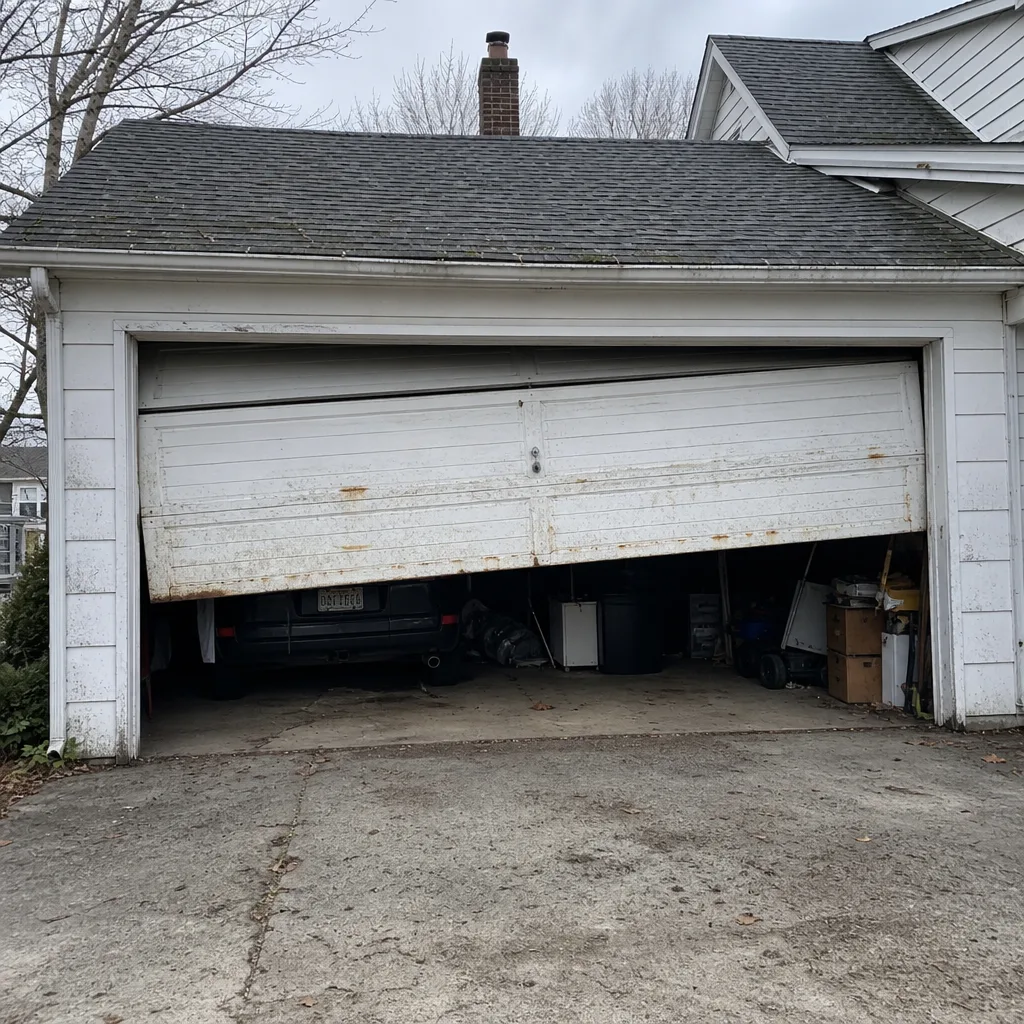 Before
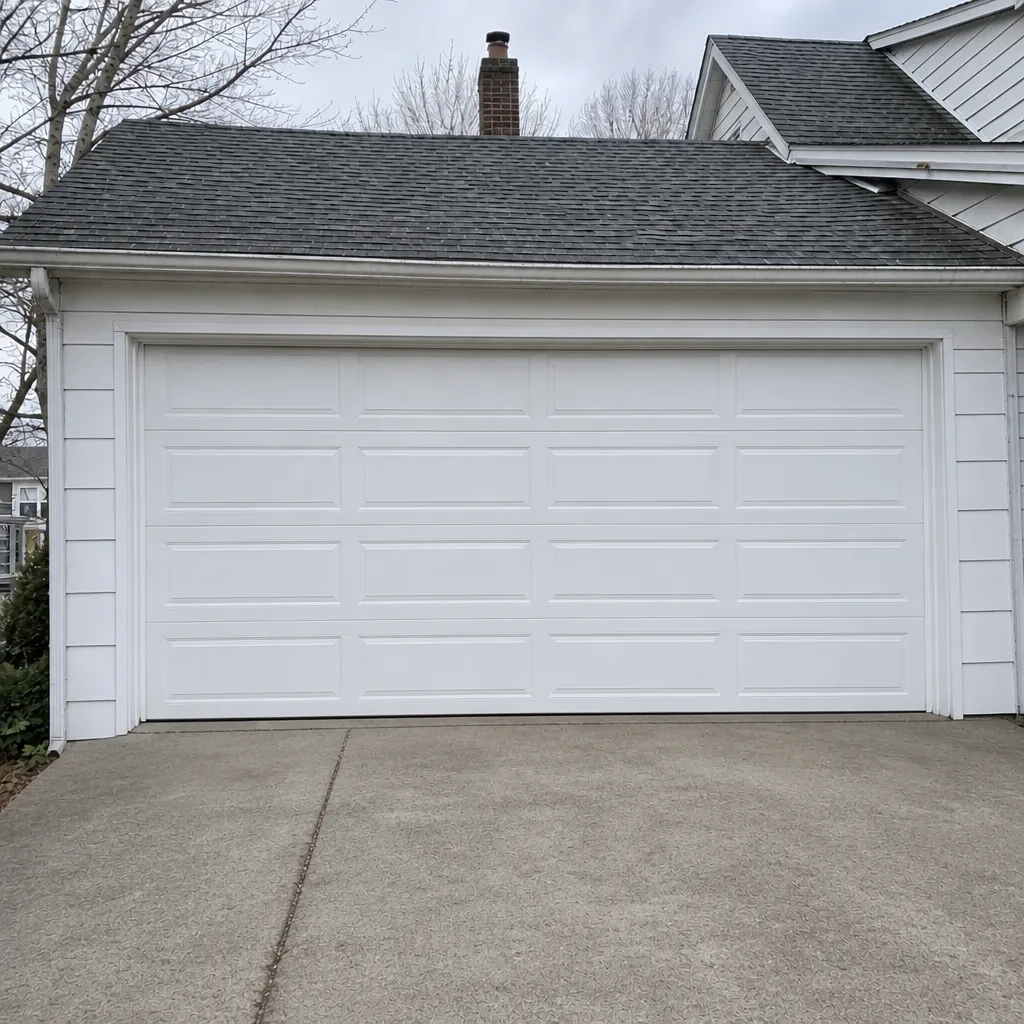 After
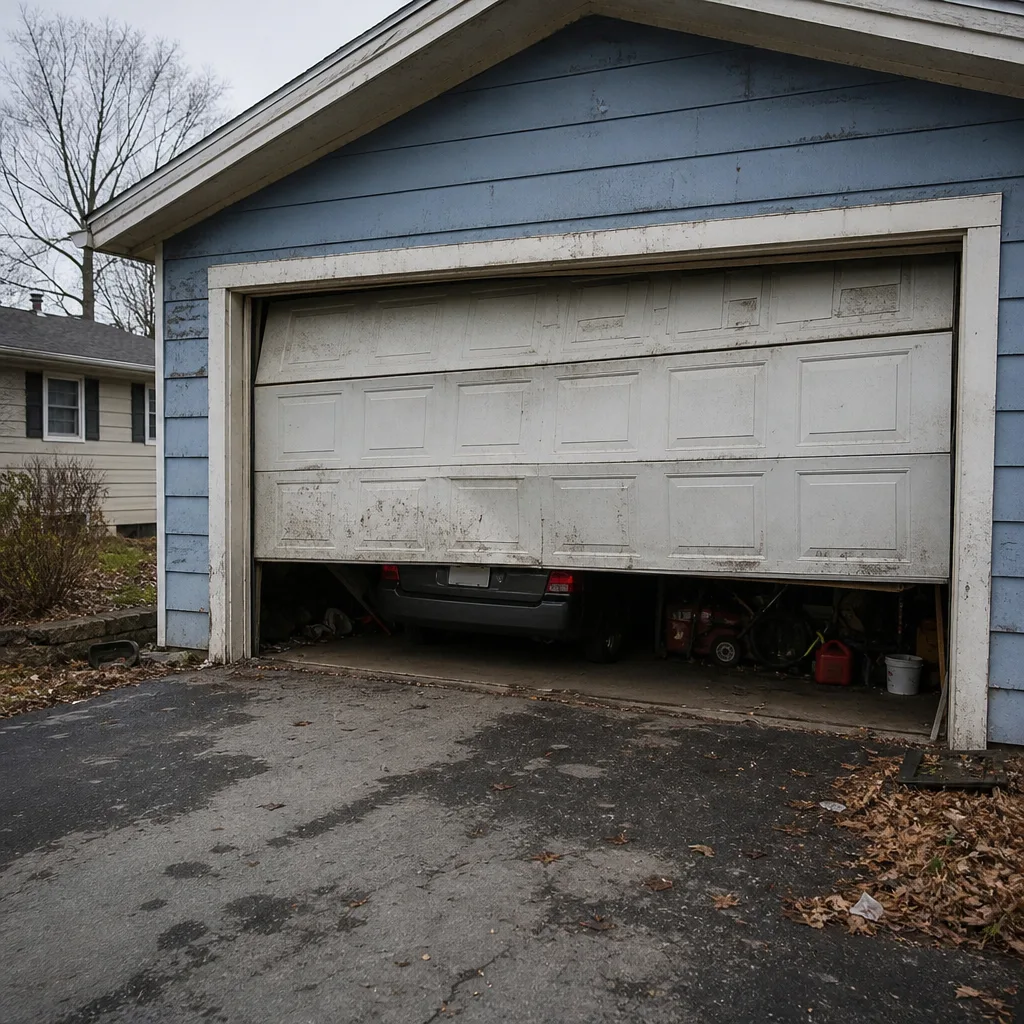 Before
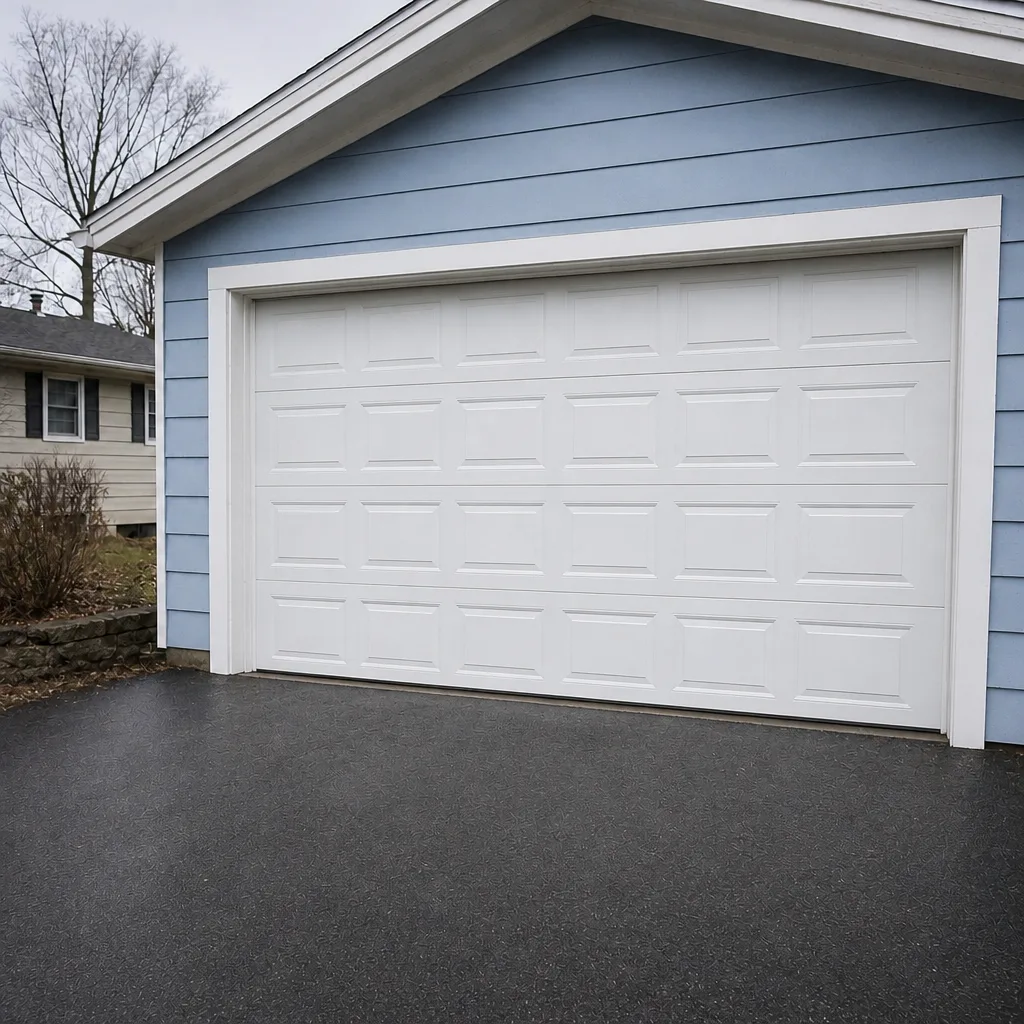 After
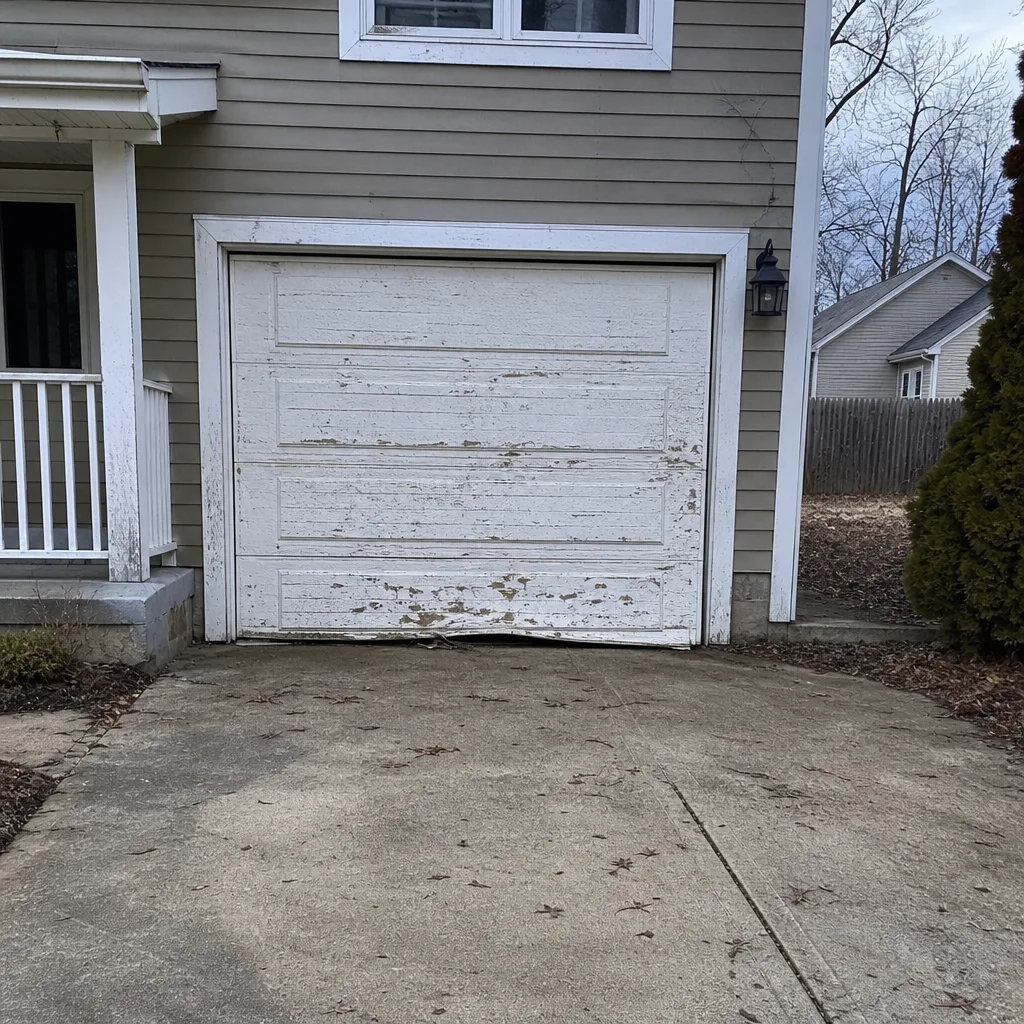 Before
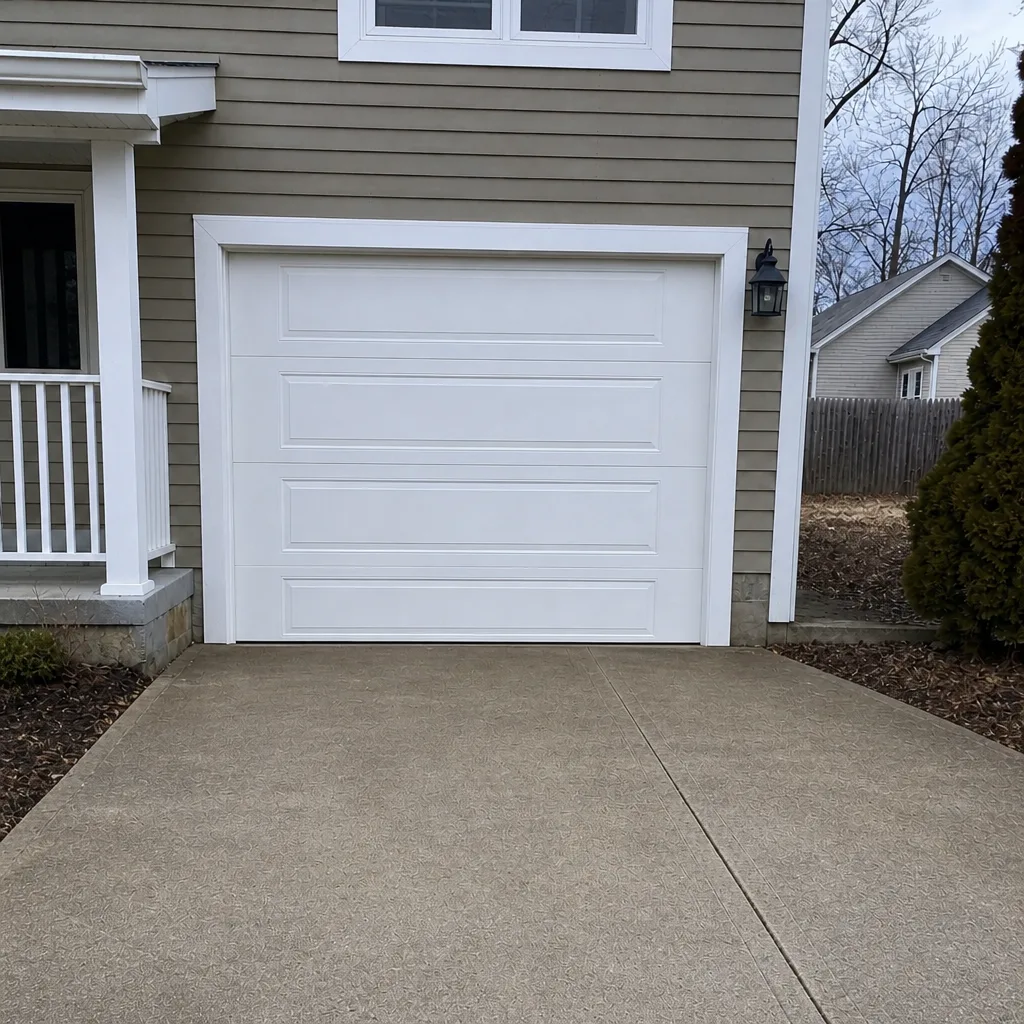 After
When to Call a Professional
Call a technician if the door feels unusually heavy, if you hear a bang from the garage, if the door comes off its track, if the opener runs but the door doesn’t move, if the safety sensors won’t stay aligned, or if the door binds, jerks, or grinds. Also call if you see a cable starting to fray, if you smell burning from the opener, or if the door won’t close all the way and leaves a gap. Those are all signs of an underlying issue that a generalist shouldn’t tackle alone, and ignoring them tends to double the eventual repair bill. Haverhill Garage Door Repair Co offers free estimates in Haverhill: call (833) 508-9650. We answer 24/7, with fast dispatch from 7am to 7pm, Sunday through Friday.
Frequently Asked Questions
Spring repair in Haverhill typically runs $180 to $340 per spring, and a matched pair is usually replaced together, so a pair costs roughly twice that. The written estimate you get before any work starts sets the final price. Call (833) 508-9650 for an exact quote; estimates are free.
We handle same-day service for urgent repairs, and spring or cable failures that leave a door stuck are exactly the kind of job we prioritize. Call (833) 508-9650. We answer 24/7, and fast dispatch runs from 7am to 7pm, Sunday through Friday.
No. The price is quoted and agreed before any work begins, and the written estimate is the final price. If the technician finds a second issue, you decide whether to add it before anything is touched. Call (833) 508-9650 for a free estimate.
The local professionals we connect you with are licensed and insured as their state requires. They’ve handled spring, cable, opener, and installation work across every major brand in Haverhill homes. Call (833) 508-9650 with any questions; estimates are free.
Once a year is the right rhythm in this climate, ideally in early fall before the freeze-through winter sets in. Fall is when worn springs, cracked seals, and loose hardware have time to be caught before cold weather stresses the whole system. Call (833) 508-9650 to book an inspection.
Permit rules vary by municipality, and some projects need one while others don’t, so check with the city’s building department before scheduling installation. Replacing a door in kind is often treated differently from altering the opening or structure. We’ll walk you through what to ask the city when we measure for the quote. Call (833) 508-9650 for a free estimate.
The Bottom Line
Your garage door isn’t a minor appliance. It’s a mechanical system that runs thousands of cycles a year and takes a beating from our freeze-thaw winters. The parts wear on individual schedules, the repair-or-replace decision hinges on a simple cost comparison, and the most dangerous components are exactly the ones that tempt homeowners to try a DIY fix. Get the door inspected once a year, replace springs in pairs, replace seals before the ground freezes, and know the signs that mean “call now” rather than “call eventually.” If you own a LiftMaster, Chamberlain, Wayne Dalton, or Craftsman system, you already own one of the most common setups in the area, and parts are easy to match. Haverhill Garage Door Repair Co handles all of it. Call (833) 508-9650 for a free estimate, and we’ll give you a written price before any work starts.
Learn more about Haverhill Garage Door Repair Co and the full range of services we offer.
Written by the team at Haverhill Garage Door Repair Co.