
Last updated November 22, 2026
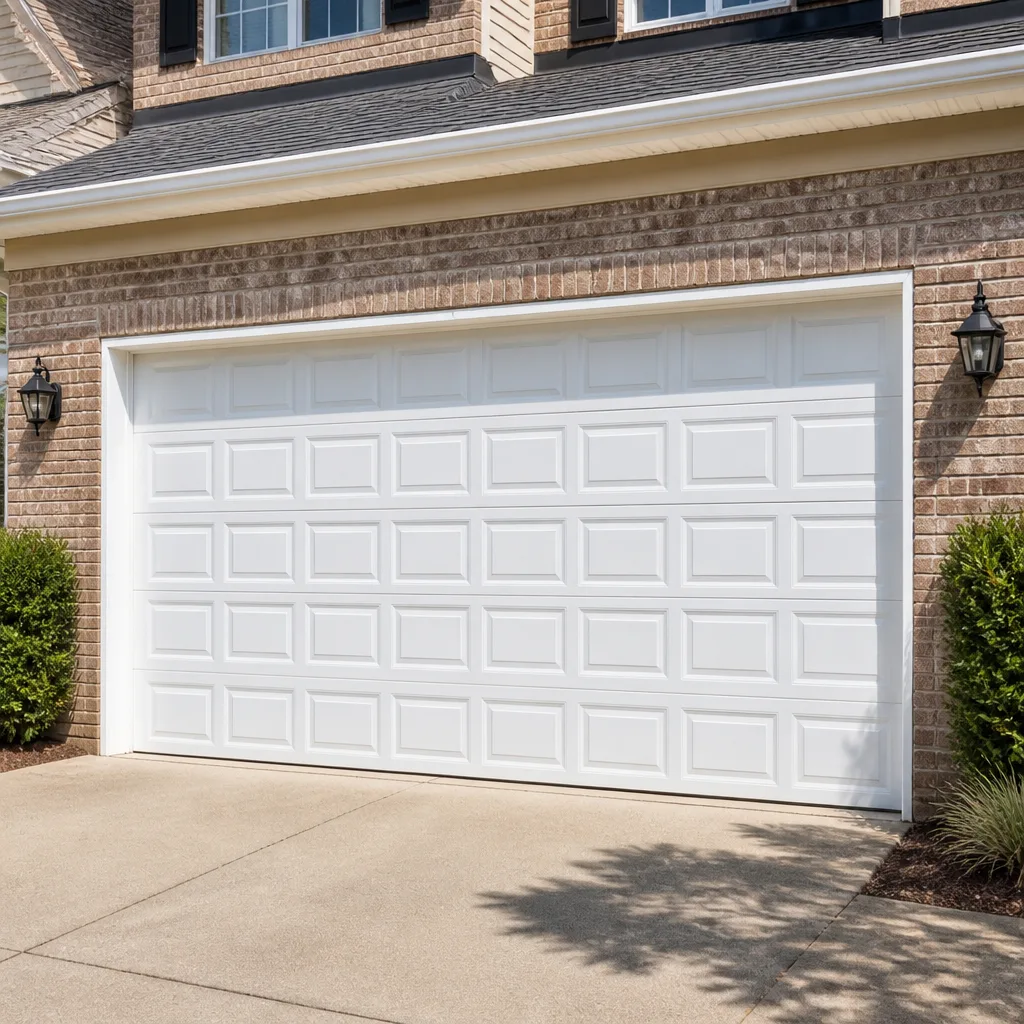 Raised-panel steel
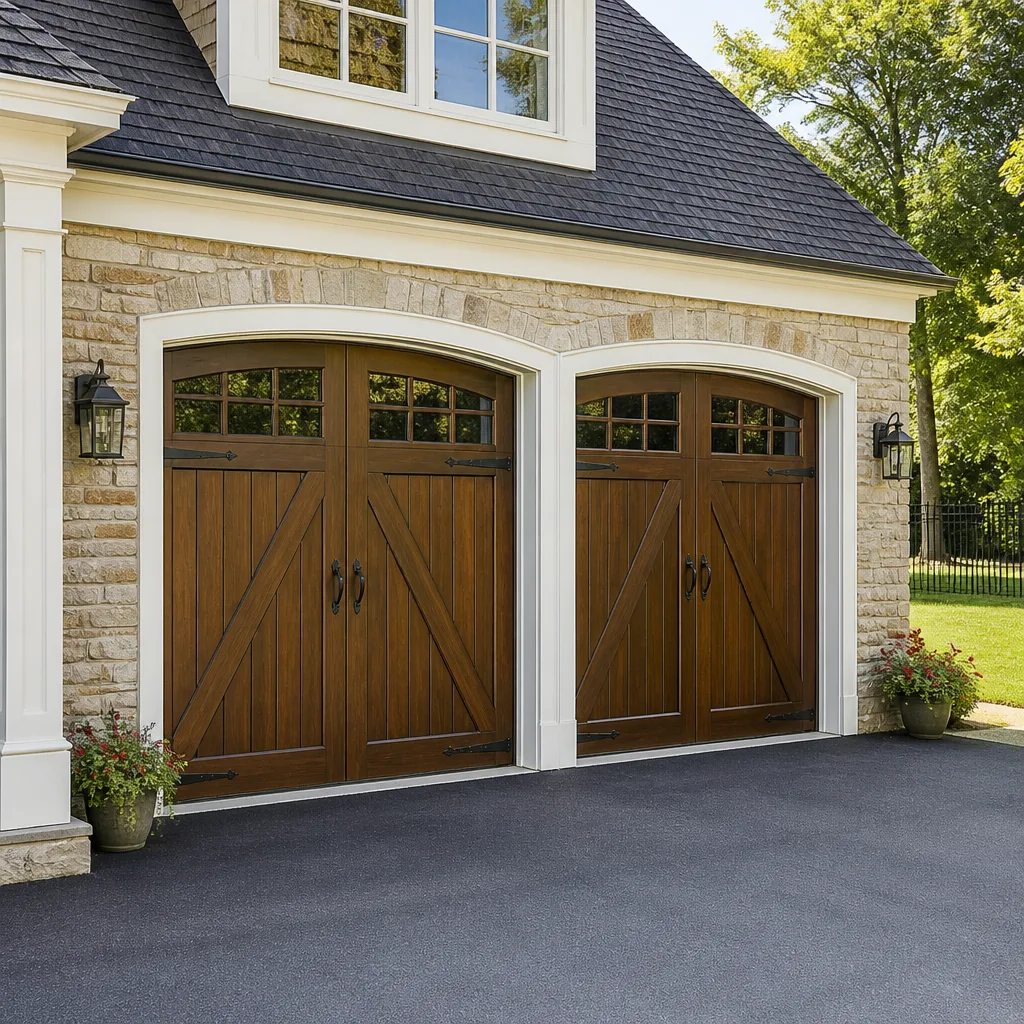 Carriage house
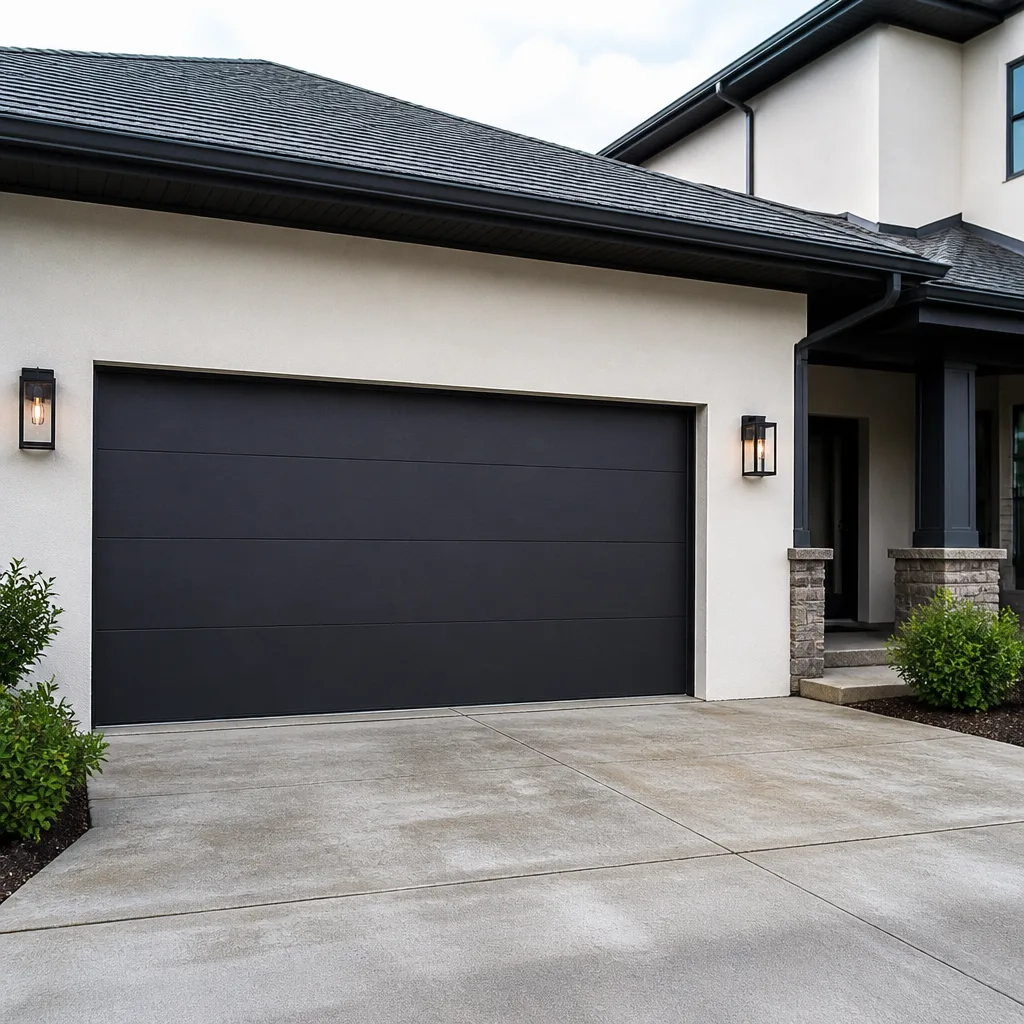 Modern flush
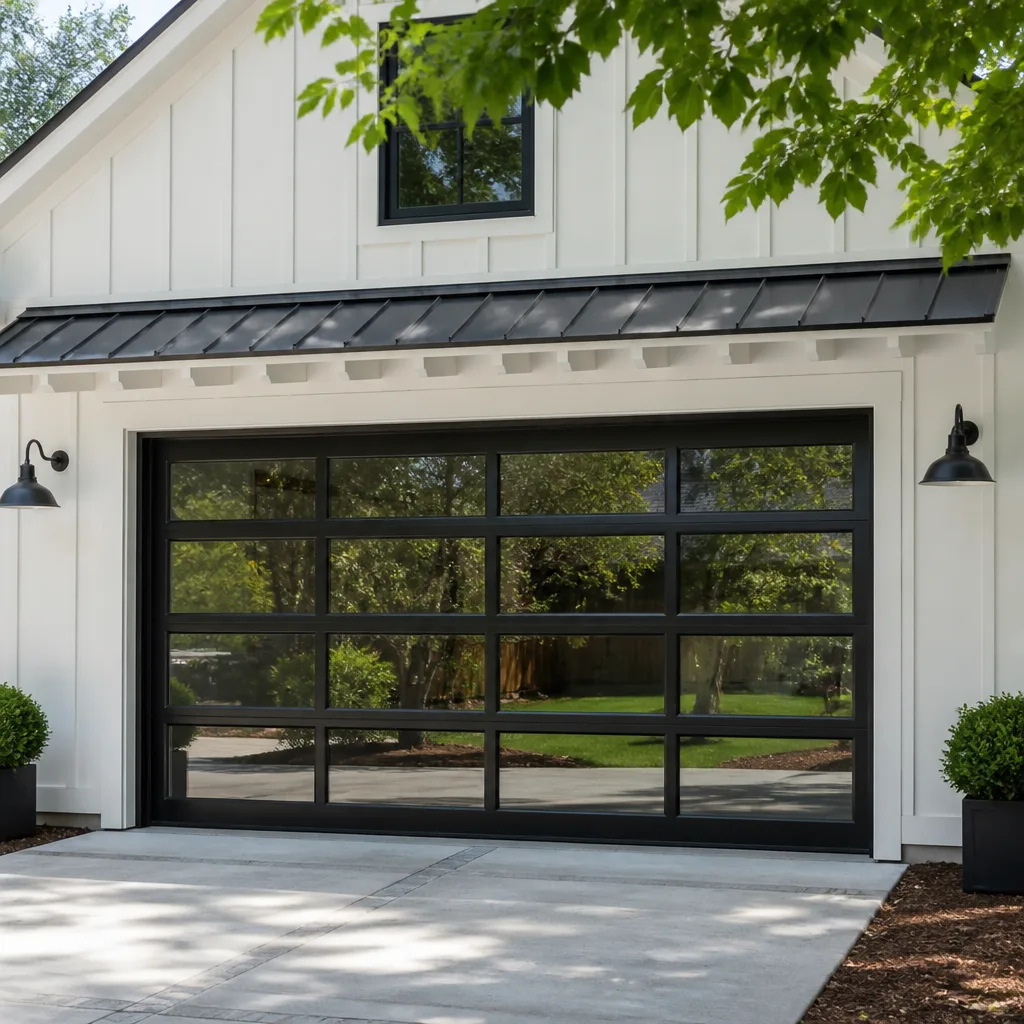 Full-view glass
 LiftMaster openers
 Chamberlain openers
Full 25-point door and opener safety check with every visit - springs, cables, rollers, tracks, and your LiftMaster or Chamberlain opener included
You get a price before we start. It does not change when the pro arrives.
Get your free estimateGarage Door Permits, Codes & Inspections in Haverhill, MA: What You Need to Know
Most Haverhill homeowners assume a garage door swap is a no-permit job. And they’re often right. But the exceptions matter more than most people realize, especially for new construction, structural openings, or electric openers on older homes where the wiring was never updated. Garage door work flew under the radar for years, but as smart openers, insulation ratings, and wind-load requirements enter Massachusetts building codes, what used to be a simple swap can now trigger an inspection if you’re not paying attention. Getting this wrong rarely stops a project cold, but it can complicate a future home sale. This guide walks through exactly when a permit is required in Haverhill, which code sections apply, and how a reputable contractor should handle the paperwork for you.
Quick Answer
In Haverhill, a straight replacement of a garage door and opener of the same size and type in the same opening almost never requires a building permit. A permit typically does apply when you cut a new opening, change the structural framing, enlarge or relocate the door, add an opener to a home where the electrical circuit needs work, or install a door as part of new construction or a major renovation. When in doubt, call Haverhill’s building department directly and describe the job in one sentence: same size and same place, or new opening and structural change. The answer follows from that distinction, and it’s the single most useful question you can ask before any work starts.
Styles & brands we work with
- Raised-panel steel
- Carriage house
- Modern flush
- Full-view glass
- LiftMaster openers
- Chamberlain openers
Table of Contents
- When a Permit Is Required in Haverhill (and When It Isn’t)
- Massachusetts State Building Code Sections That Apply to Garage Doors
- Fire Separation Between an Attached Garage and Living Space
- Wind-Load Requirements and How They Affect Panel and Hardware Choice
- How Inspections Work and What Inspectors Look At
- How Unpermitted Garage Door Work Shows Up on a Home Inspection
- Who Pulls the Permit: Contractor or Homeowner?
- Older Haverhill Homes, Openers, and Wiring You Can’t See
When a Permit Is Required in Haverhill (and When It Isn’t)
The dividing line in Haverhill comes down to one question: are you replacing what’s already there, or changing the opening or the structure around it? Replacement in kind is the simple case. A door that comes out at 9 feet wide and goes back in at 9 feet wide, on the same tracks, in the same opening, is generally treated as a maintenance item. No permit, no inspection, no paperwork beyond the estimate. That covers most of the work we see in Haverhill: a bent panel swapped out, a section replaced, an opener updated to a newer LiftMaster or Chamberlain unit on the existing circuit.
The picture changes as soon as the opening itself is touched. Here’s how to think about it:
- Replacement in kind: Same size, same location, same type of door, same opening. Typically no permit.
- New opening or enlarged opening: Cutting into a wall, widening, raising the header, or adding a door where none existed. This is structural work and almost always needs a permit and an inspection.
- Structural changes around the opening: New framing, a new header beam, or repairs to load-bearing members near the door. Permit territory.
- New construction or a major addition: The garage door is part of the permitted scope of the larger project, so it gets inspected along with everything else.
- Adding an opener where the circuit must be extended or a new one installed: The electrical work is the trigger here, not the opener itself. A licensed electrician and a permit may be required depending on what the circuit needs.
Haverhill’s building department is the authority on your specific address, and a two-minute phone call settles it. Describe the job in terms of “same size and same place” versus “new opening and structural change,” and you’ll get a clear answer. That one call protects you later, and it’s the habit we recommend to every homeowner before scheduling installation.
Massachusetts State Building Code Sections That Apply to Garage Doors
Massachusetts adopts the International Residential Code with state amendments, and the sections that matter for garage doors sit in the chapters on building planning and fire safety. You don’t need to read the code yourself. You do need to know which topics the code covers so you can ask the right questions and recognize when a contractor is glossing over something. In our experience, most disputes after the fact trace back to a homeowner who didn’t know a requirement existed.
The areas that come up most often in Haverhill:
- Fire separation between an attached garage and the house. The wall and ceiling between an attached garage and living space must resist fire for a set period, and the door between them must meet a fire-rating requirement. Door openings into the garage are part of that envelope.
- Vehicle door requirements. The overhead door itself must meet certain labeling and safety standards, and any door with an opener must have the safety reverse feature working.
- Wind-load design. Massachusetts requires garage doors in certain design categories to be rated for the wind pressure the structure is designed to resist. This is where door selection and hardware matter, and where a mismatched panel can fail an inspection.
- Means of egress and smoke/CO alarms. A garage attached to a house affects the egress path and the alarm requirements for the home, and inspectors look at both.
None of this is meant to make the job sound harder than it is. A same-size replacement of a Wayne Dalton or Raynor door in an existing opening is straightforward. The point is that the code treats a garage door as part of the building envelope, not as an appliance. That’s why a contractor who’s done this work in Haverhill knows which jobs sail through and which ones need a permit pulled before the first panel comes off.
Fire Separation Between an Attached Garage and Living Space
An attached garage shares a wall with the house, and that wall is a fire barrier. Massachusetts code requires a fire-resistance rating on the wall and ceiling separating the garage from living space, and it affects the door between the two. If your Haverhill home has an attached garage, that door is not just a door; it’s part of the fire-protection assembly. When it’s replaced or altered, the rating has to be maintained, and that’s a piece of the job a permit inspection will check.
The practical implications for a garage door project:
- Confirm what separates the two spaces. A door rated for the assembly, properly hung and self-closing, is the usual requirement. A standard interior door swapped in for a rated one is a common failure point.
- Don’t block the separation. Storage, shelving, or a relocated opener mount that penetrates the fire-rated wall can compromise the assembly.
- Match the replacement to the rating. When the connecting door is replaced, the new one has to carry at least the same rating, and the hardware has to let it close on its own.
- Keep the ceiling intact. The ceiling of an attached garage is part of the fire envelope in many homes. A door opener mounted through it can create a gap that inspectors flag.
This is the requirement most often missed on older Haverhill homes, where a previous owner swapped a rated door for a plain one or added a storage shelf that punched through the rated wall. It’s fixable, and it’s worth checking before a project starts rather than at closing.
Wind-Load Requirements and How They Affect Panel and Hardware Choice
Wind load is the requirement that surprises homeowners most, because it’s invisible until you’re choosing panels. Massachusetts building code requires garage doors to be designed or rated for the wind pressure the structure is engineered to resist. In practical terms, that means the door you pick has to be rated for the load at your address, and the hardware that holds it, including the hinges, rollers, tracks, and brackets, has to match. A door chosen purely on curb appeal can fail the requirement.
What this changes for a Haverhill installation:
- Panel selection becomes a specification, not a style choice. A steel or insulated door rated for the required pressure is what gets specified, and the rating is stamped or supplied with the door.
- Hardware follows the door. Heavier-rated doors need heavier hinges, rollers, and reinforcement at the lift points. Cutting corners here is how doors fail early.
- Openers match the door’s weight and balance. A LiftMaster or Chamberlain unit sized for a lighter door can strain when paired with a heavier rated panel. The opener and the door are a system.
- The opener’s safety reverse must work. Inspectors test it. It’s a code requirement, not an optional feature.
For a like-for-like replacement in an existing opening, the door you buy typically matches the rating the original door carried, and the job stays simple. For a new opening or a structural change, the design has to establish the wind load first, and the door gets selected to meet it. If you’re ever unsure which category your project falls into, that’s a question for the Haverhill building department, and it’s one we’re happy to help you frame before you call.
How Inspections Work and What Inspectors Look At
If your project needs a permit, an inspection follows. The inspector isn’t there to grade your taste in doors. The inspection verifies that what was built matches what was permitted and that the safety and structural requirements are met. Knowing what’s checked keeps surprises off the schedule.
Here’s the general sequence for a permitted Haverhill garage door project:
- Permit application. The scope, the opening, the structural work, and the door specification are submitted to the building department.
- Permit issued. Work can begin, and the permit is posted at the job.
- Framing or rough inspection, if structural work is involved. The inspector checks the opening, header, and framing before it’s closed up.
- Final inspection. The installed door, the opener, the safety reverse, the fire separation, and the surrounding work are checked against the permitted scope.
- Sign-off. The permit is closed, and the record lives with the property.
Inspectors focus on a few specific things: the door’s rating and labeling match the permit, the safety reverse on the opener works, the fire separation between the garage and the house is intact, and the structural work matches the approved plan. The inspection itself is quick. The slow part is scheduling and the correction of anything that doesn’t match, which is exactly why a contractor who’s been through the process in Haverhill handles it up front.
How Unpermitted Garage Door Work Shows Up on a Home Inspection
Unpermitted work doesn’t disappear. It waits, and it usually surfaces during a home inspection, when a buyer’s inspector notices a door that doesn’t match the opening, an opener wired in without a permit, or structural changes near the opening with no record on file. Haverhill’s building department keeps permit records by address, and a buyer’s agent will check. What shows up as a “minor” note on the report can become a negotiation point or a condition of closing.
The resolution depends on the scope:
- A simple like-for-like replacement with no structural work usually needs no permit retroactively, and the note is informational.
- A structural change or new opening without a permit can require a retroactive permit, an inspection, and in some cases opening up the work so it can be verified.
- Electrical work done without a permit for a new opener circuit can require a licensed electrician and an inspection to bring it into compliance.
- The cost of resolution depends entirely on what was built and what the inspector requires, so it’s not something to estimate without seeing the work.
The cheapest place to solve this is before the work, not at closing. A permit pulled at the start costs far less, in time and money, than the same permit pulled under pressure during a sale. That’s why we treat the permit question as part of the estimate, not an afterthought once the door is ordered.
Who Pulls the Permit: Contractor or Homeowner?
The homeowner is legally responsible for permits on their property, but the contractor is the one who knows what the job requires and how to file it. In Massachusetts, a licensed contractor can typically pull the permit on the homeowner’s behalf with authorization, and that’s the arrangement that works best. It keeps the responsibility with the person who knows the code, and it keeps the homeowner from filing a scope that doesn’t match the work.
What to confirm before hiring anyone for garage work in Haverhill:
- Ask who pulls the permit. The answer should be specific: the company files it, with your authorization, and provides the permit number once issued.
- Ask who meets the inspector. The contractor should be on site for the inspection, not the homeowner explaining work they didn’t do.
- Ask what happens if the inspection finds something. A reputable company corrects it at no additional charge for its own work.
- Confirm the scope in writing. The written estimate should say whether a permit is included and what the scope covers.
Our position is simple: if the job needs a permit, we handle the filing and the inspection. It isn’t extra service; it’s part of doing the work correctly. And it’s why homeowners who hire a Haverhill Garage Door Repair Co for a structural change don’t end up making a second call to a contractor to sort out the paperwork.
Older Haverhill Homes, Openers, and Wiring You Can’t See
Much of Haverhill’s housing stock is older, and older homes carry garage setups that predate modern opener requirements. A Craftsman opener from decades ago may be connected to a circuit that was never intended for it, or a previous owner may have added an outlet in the garage with no permit on file. When you replace the opener, the electrical condition becomes part of the job, and that’s where permits and inspections often re-enter the picture.
The recurring issues on older Haverhill homes:
- Undersized or ungrounded circuits feeding the opener. A newer smart opener pulls different current than the unit it replaced.
- DIY installations from prior owners with no visible workmanship standards and no permit record.
- Fire separation gaps where the garage ceiling or shared wall was modified for storage or for the opener’s mounting.
- Safety reverse systems that were never installed or were disconnected, which is a code problem regardless of the door’s age.
None of this means every older Haverhill home needs a permit to swap a door. It means the inspection is more likely to find something worth fixing, and the paperwork is more likely to matter. A contractor with experience on legacy systems knows where to look, and we recommend addressing electrical and fire-separation issues at the same time as the door or opener, while the garage is already apart.
Common Mistakes to Avoid
- Assuming a new opening needs no permit because the old door didn’t. An existing door and a new opening are different jobs under the code, and treating them the same is how unpermitted structural work gets built.
- Replacing an opener on an old circuit without checking the wiring. The opener may work, but the circuit can be the reason a permit is required, and an over-drawn circuit is a real hazard.
- Skipping the fire-rated door between the garage and the house. Swapping it for a standard interior door is one of the most common failures in older Haverhill homes, and it’s a code violation.
- Choosing a door on looks alone. The wind-load rating and the hardware have to match the structure, not just the curb appeal. A beautiful door that doesn’t meet the rating fails inspection.
- Hiring a company that doesn’t pull permits. “You don’t need one” is often true, but you want to hear the reasoning, not just the answer, and you want the company to file when one is needed.
- Ignoring a note on a prior home inspection. If a previous inspection flagged unpermitted work, resolve it before you list. It’s cheaper now than during a negotiation.
- Doing high-tension spring work yourself to save a permit. Torsion and extension springs are under extreme tension, and an injury is far more costly than any permit. Leave spring work to a trained technician.
See the difference
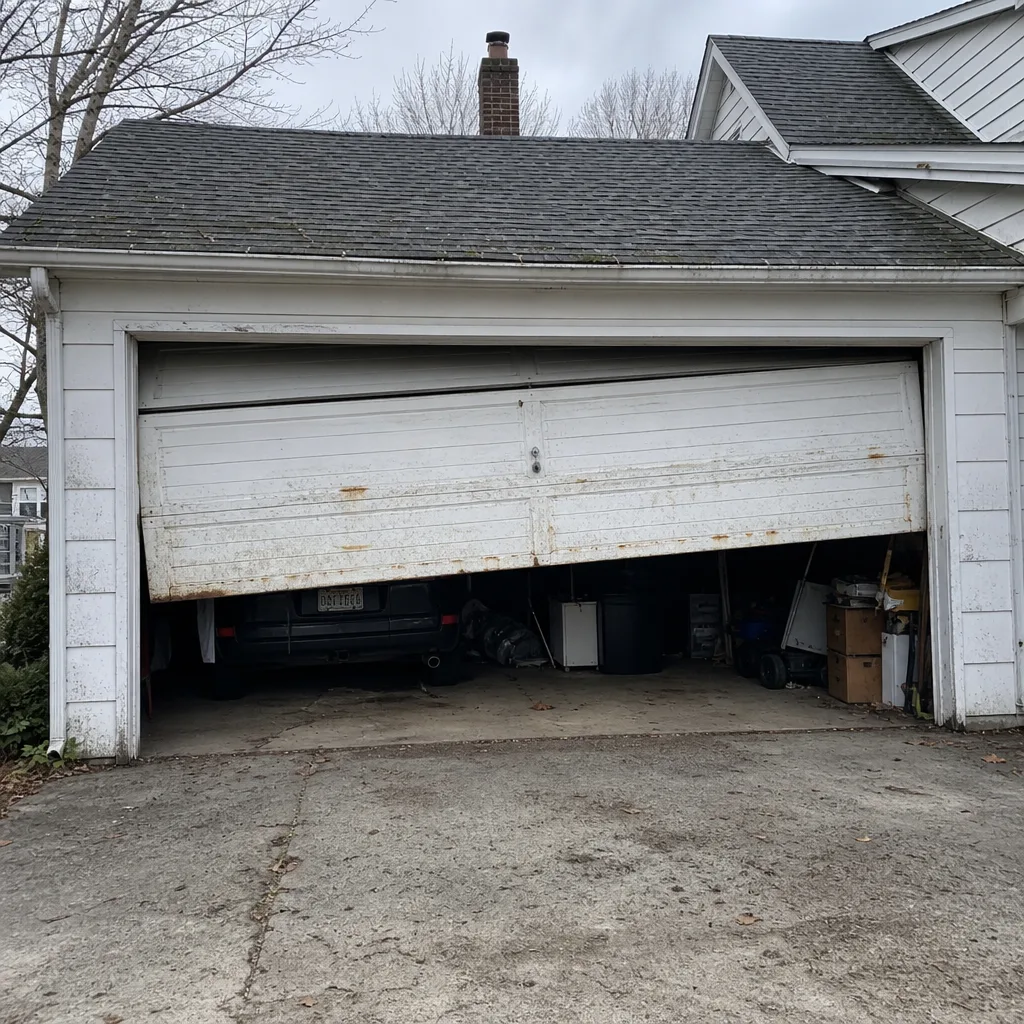 Before
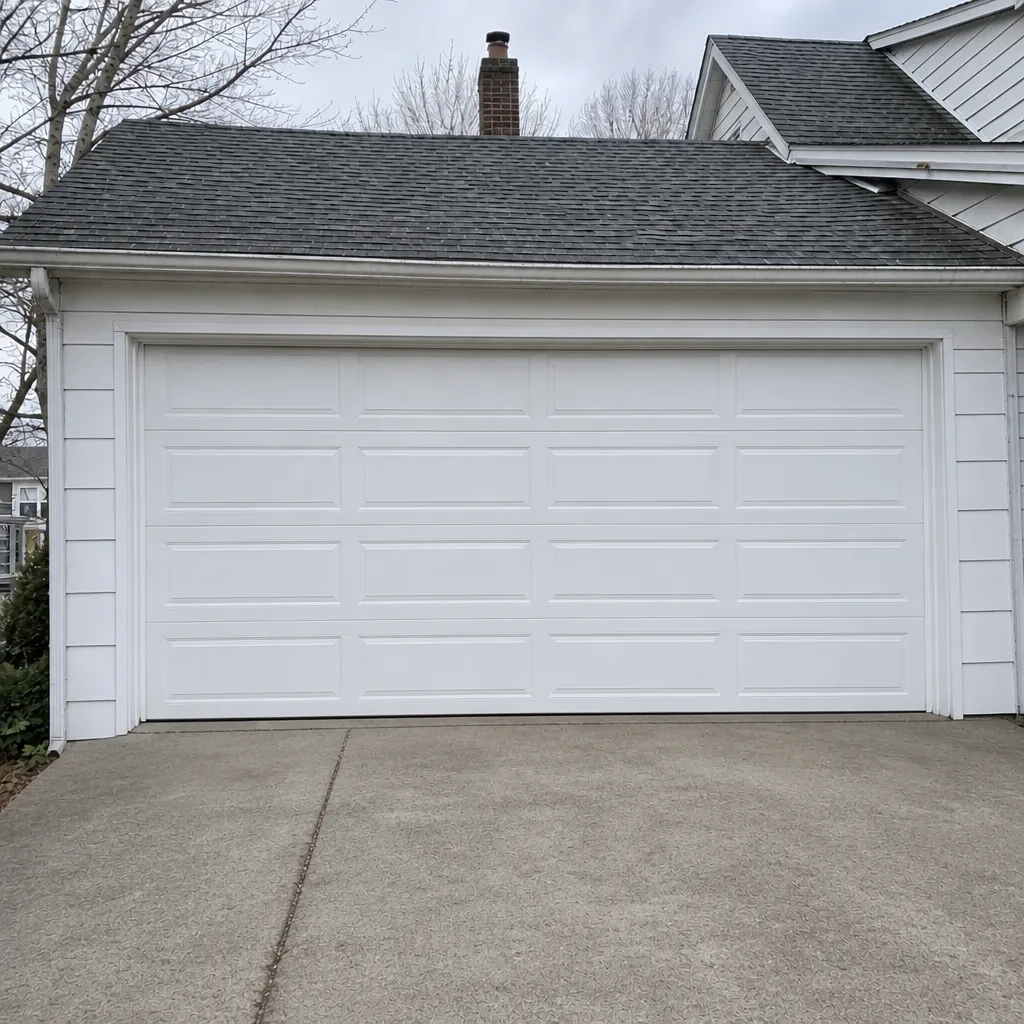 After
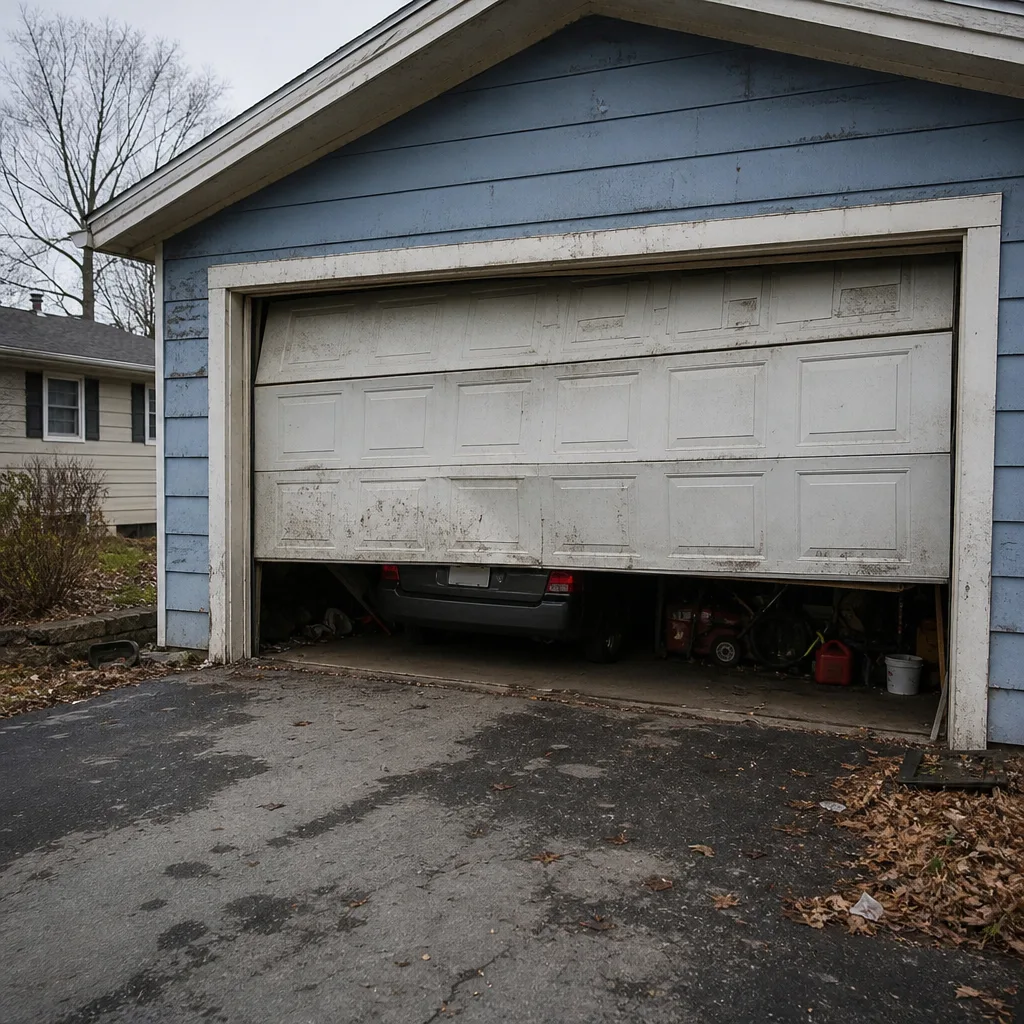 Before
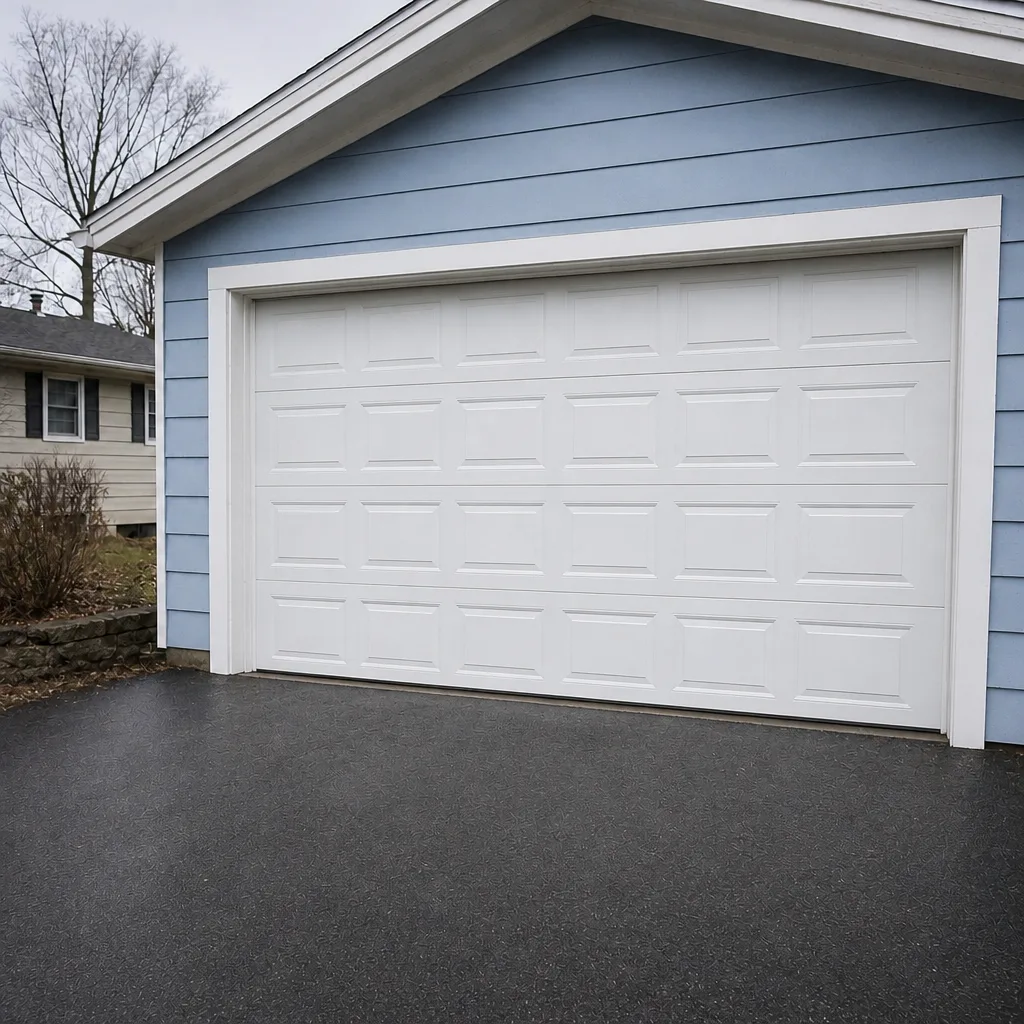 After
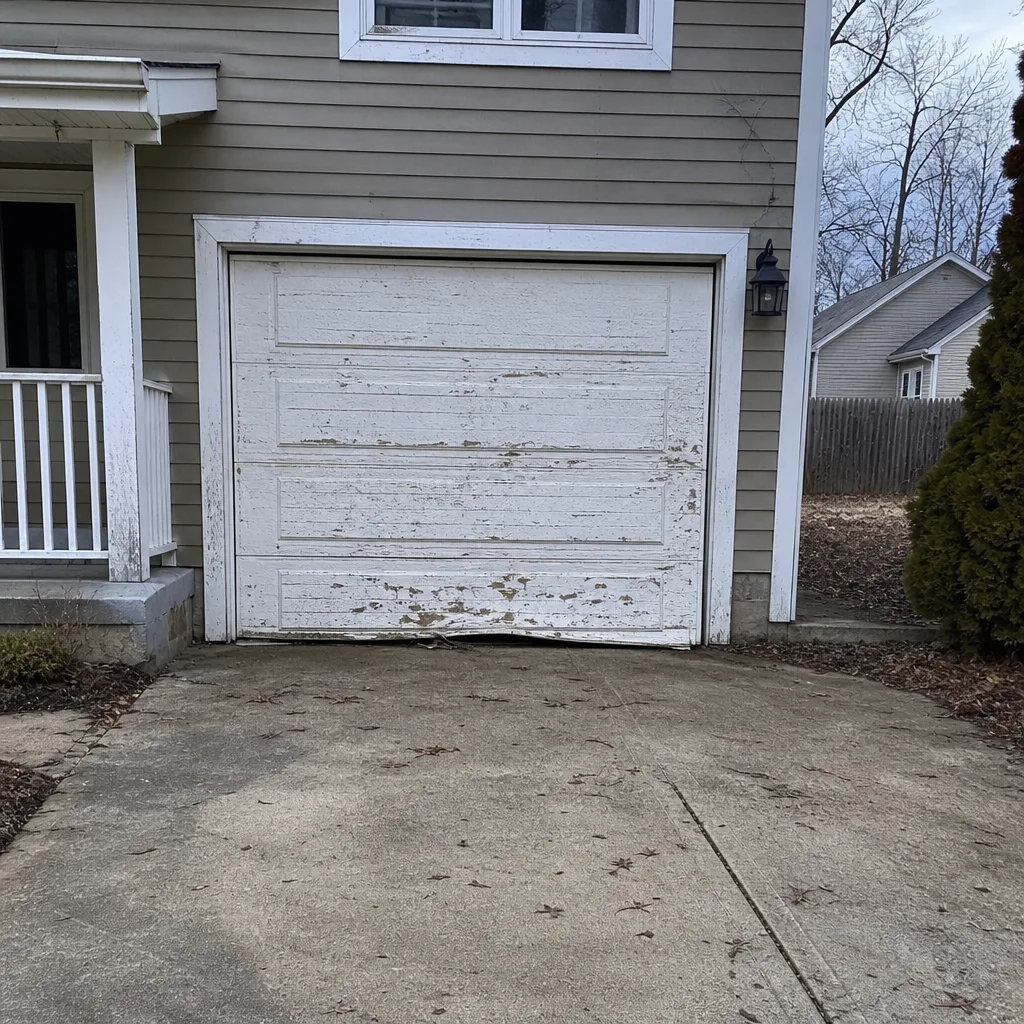 Before
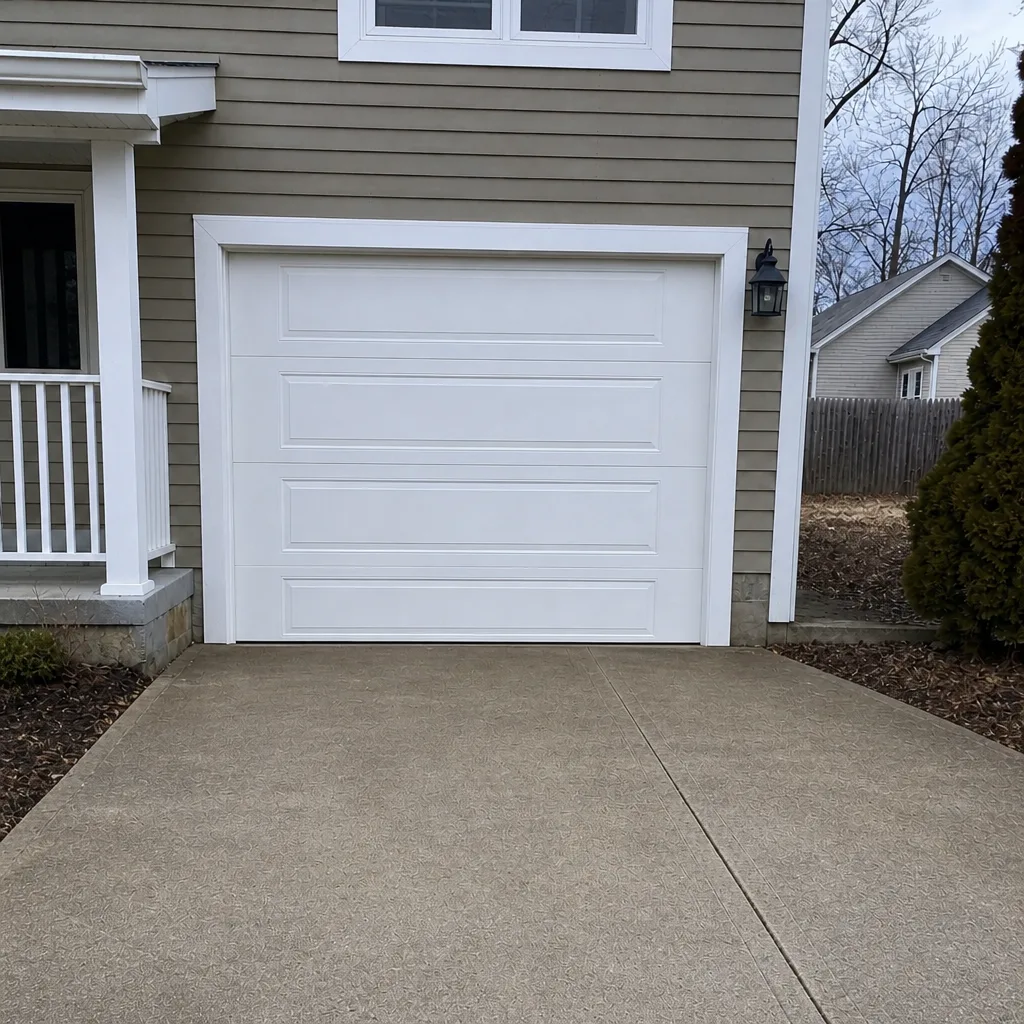 After
When to Call a Professional
Call a professional when the job involves anything you can’t see from the driveway: a new or enlarged opening, structural framing, a fire-rated door between the garage and the house, a new electrical circuit for an opener, or an older home where the existing installation’s history is unclear. Call when a home inspection has flagged garage work with no permit record. Call when the door won’t close and the house is open, or when a spring is broken, because those are access and safety situations that can’t wait. Our garage door repair work covers the everyday failures, and garage door opener repair covers the units that quit on a smart or legacy system alike. High-tension spring failure needs the right hands, and garage door spring repair is work we handle routinely and safely. Haverhill Garage Door Repair Co offers free estimates in Haverhill, and we’ll tell you plainly whether your project needs a permit before you commit. Call (833) 508-9650. We answer 24/7. Fast dispatch from 7am to 7pm, Sunday through Friday.
Frequently Asked Questions
Usually no, if it’s a straight replacement of a door of the same size and type in the same opening with no structural or electrical changes. You need one when the opening is new or enlarged, the framing changes, or the job is part of new construction or a major renovation. Call Haverhill’s building department with a one-sentence description of the job to confirm, and call (833) 508-9650 for a free estimate. We’ll help you sort out which category your project falls into.
Often not, if the opener swaps onto the existing circuit without electrical changes, but a new circuit or extended wiring can require a permit and a licensed electrician. The opener itself also has to have a working safety reverse, which inspectors test when the job is permitted. When in doubt, ask the Haverhill building department about the electrical side, and ask us about the opener. We repair LiftMaster, Chamberlain, Genie, and Craftsman units, and we’ll tell you whether replacement or repair is the right call.
The main requirements are fire separation between the attached garage and living space, a fire-rated door connecting the two, a labeled overhead door, and a working safety reverse on any opener. Wind-load design also applies in many cases, which affects the door’s rating and the hardware that holds it. The Massachusetts State Building Code adopts the International Residential Code with state amendments, and your local inspector applies it at your address. Call (833) 508-9650 for a free estimate and we’ll walk you through what your project will be checked for.
It shows up on the buyer’s home inspection and can become a negotiation point or a closing condition, because Haverhill’s building department keeps permit records by address. Resolving it can mean a retroactive permit, an inspection, and in some cases opening the work to verify it. The cost depends on what was built, so there’s no fixed number. The best move is to pull the permit before the work starts. Call (833) 508-9650 for a free estimate and we’ll tell you what your project needs.
It will if the door is rated for the wind pressure your structure is designed to resist and the hardware matches that rating. Door selection is a specification, not just a style decision, and this is where a permit inspection catches a mismatch. For a like-for-like replacement, the new door typically matches the original’s rating and the job stays simple. For a new opening or structural change, the design establishes the load first. Call (833) 508-9650 for a free estimate and we’ll help you pick a door that’s rated for your home.
The homeowner is legally responsible for permits on their property, but a licensed contractor can typically pull the permit on your behalf with your authorization, and that’s the arrangement that works best. A reputable company files the permit, meets the inspector, and corrects anything the inspection finds in its own work. Confirm before hiring that the company handles the filing and the inspection. Call (833) 508-9650 for a free estimate and ask us directly.
The Bottom Line
Most garage door replacements in Haverhill need no permit, and that’s the case the vast majority of the time. The exceptions are the ones worth knowing: a new or enlarged opening, structural framing, a fire-rated door between the garage and the house, a new electrical circuit for an opener, and older homes with installations that were never documented. Massachusetts code treats the garage door as part of the building envelope, so fire separation and wind-load rating matter right alongside the door’s appearance. Getting the permit question right before the work costs far less than solving it during a home sale, and a reputable contractor files the permit, meets the inspector, and puts it in the written estimate. If you’re unsure which side of the line your project falls on, ask Haverhill’s building department, then ask us. The answer is free, and it’s worth having in writing.
From a snapped spring to a brand-new rated door, one call covers it. Our technicians have up to 12 years of experience on the brands most often installed in Haverhill homes, including LiftMaster, Chamberlain, Clopay, Amarr, Wayne Dalton, Craftsman, and Raynor. Call (833) 508-9650 for a free estimate. We answer 24/7. Fast dispatch from 7am to 7pm, Sunday through Friday. The price is quoted and agreed before any work starts, and the written estimate sets the final price.
Written by the team at Haverhill Garage Door Repair Co.